UCLA experts can provide key perspectives on Parkinson’s disease, which affects nearly a million Americans. World Parkinson’s Day, this year on April 11, aims to raise awareness and understanding of the neurological condition.
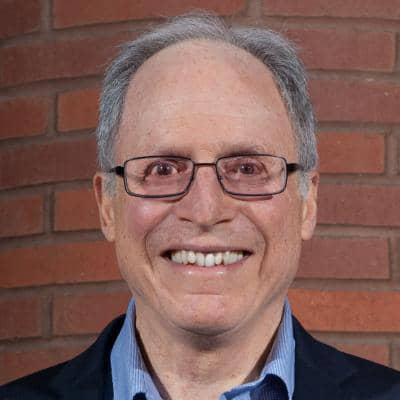
David Eisenberg
David Eisenberg is a distinguished professor of chemistry and biochemistry at UCLA. He studies the protein aggregates that cause Alzheimer’s and Parkinson’s diseases, using electron microscopy, X-ray crystallography, bioinformatics and biochemistry. Particular projects include the development of small molecule and peptide-based drugs for Parkinson’s and Alzheimer’s diseases, and the involvement of RNA in dementia.
Nearly a million Americans suffer movement disorders and possible dementia brought on by Parkinson’s disease (PD). There are drugs that mitigate some PD symptoms, but none that halt progression of the disease. Scientific consensus is that the proximal cause of PD is the aggregation of a protein called alpha-synuclein into fibrils in the brain. These fibrils kill neurons.
Eisenberg’s lab has discovered small molecules that disassemble these alpha-synuclein fibrils. Small molecules have an advantage in that they can often be formulated as pills that can be orally administrated by patients at home, rather than by injections or infusions that require a medical professional’s bedside skills.
Email: Please reach out to his UCLA media contact at hober@stratcomm.ucla.edu
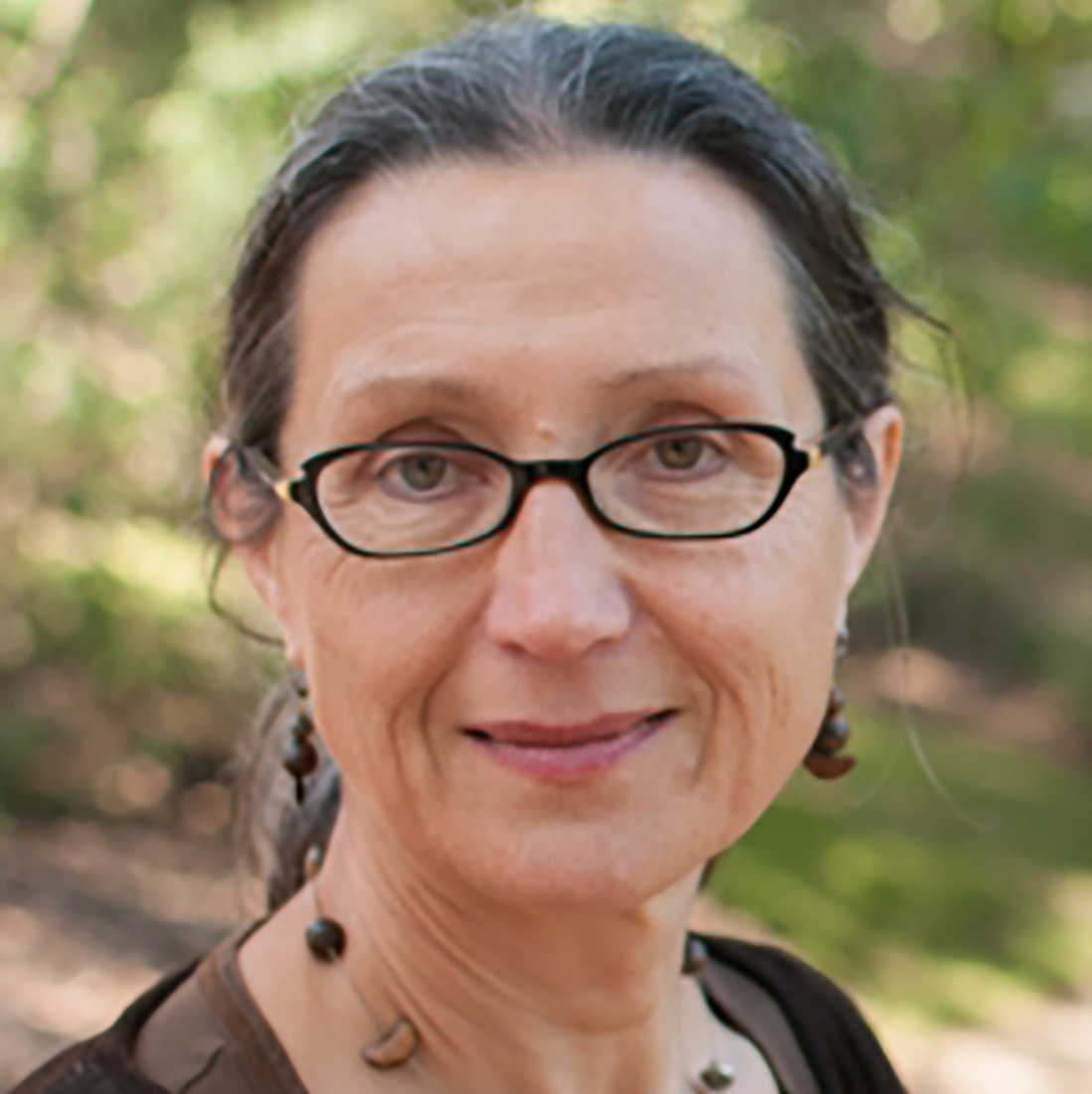
Beate Ritz
Beate Ritz is a professor of epidemiology and environmental health sciences in the UCLA Fielding School of Public Health and an expert on the connection between contaminants and the risk of disease. In her work as an epidemiologist, Ritz has studied the health effects of occupational and environmental toxins such as pesticides, ionizing radiation, and air pollution on chronic diseases including neurodegenerative disorders like Parkinson’s disease and Alzheimer’s, cancers, and adverse birth outcomes and asthma.
Ritz, who is a member of the Center for Occupational and Environmental Health, has also examined the link between autism and the environment.
Ritz is available to do interviews in German.
Email: Please contact hober@stratcomm.ucla.edu

Jose Rodriguez
Jose Rodriguez is an associate professor of chemistry and biochemistry and the UCLA-DOE Institute for Genomics and Proteomics. In Parkinson’s disease, dense protein deposits containing the protein alpha-synuclein can accumulate, threatening the health of neurons. The Rodriguez lab investigates the formation, retention and spread of Parkinson’s-related alpha-synuclein aggregates. The researchers visualize and track alpha-synuclein aggregates with distinct structures, hoping to link the aggregate’s structure with its pathogenic cellular function. They are using this knowledge to find molecular or chemical interventions that will block and clear pathogenic alpha-synuclein aggregates.
Email: Please contact hober@stratcomm.ucla.edu