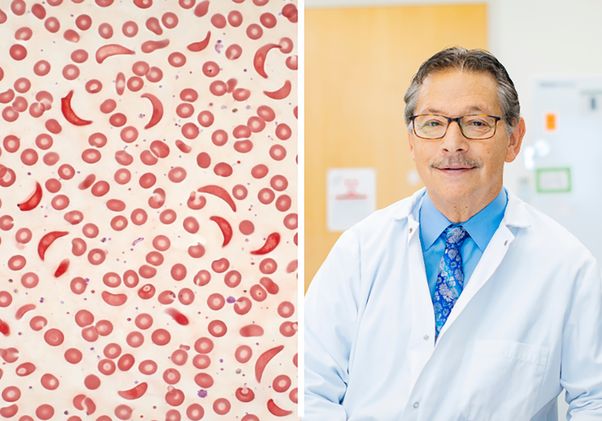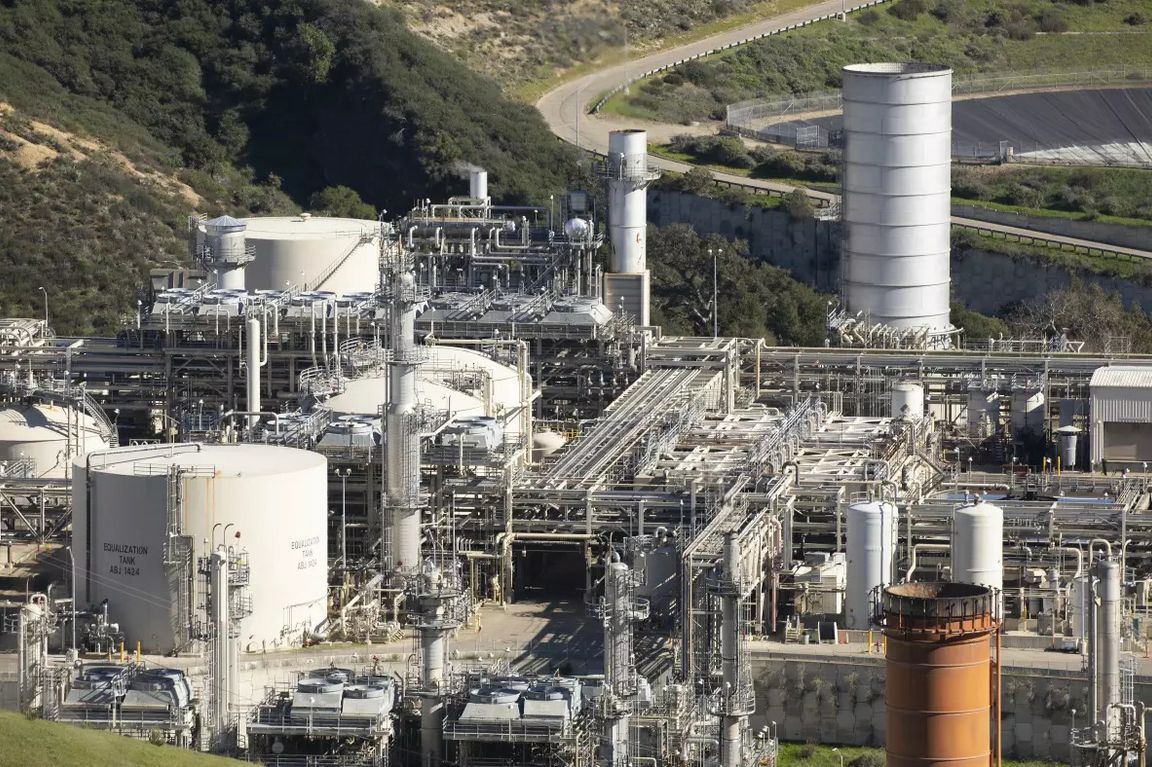
The Los Angeles Times featured energy law expert Allan Marks in a story about a California judge’s rebuff to a recent executive order that sought to bypass state laws in restarting oil pipelines off the state’s Central Coast. Marks, who is a lecturer at the UCLA School of Law, pointed to similar challenges of the Trump administration’s meddling in offshore projects, particularly East Coast wind farms, which the courts have largely rejected. Read more about UCLA in today’s CNN, Associated Press and others.
More highlights from UCLA in the News: April 21, 2026
Michigan AG rebuffs Justice Department’s claims of voter fraud in the state | CNN
“Another reason is just, generally, the department is trying to feed into Trump’s baseless conspiracy theories about elections being stolen. Another possibility is that they’re just trying to undermine people’s confidence in the 2026 election. What I think we can be confident about is they’re not really trying to do a Bonafide investigation,” said UCLA’s Rick Hasen (approx. 1:15 mark).
The price women pay for being online | NPR’s “It’s Been A Minute”
“The internet really arose from the military industrial complex. Even at this time, women were called ‘computers.’ They were assistants who would do computations, so their title was one of a ‘computer,’” said UCLA’s Mindy Seu (approx. 2:55 mark).
An LA girl’s death and the darkest side of bullying at school | Los Angeles Times
California, too, has seen all forms of bullying “dropping dramatically” in the last 20 years, according to Ron Avi Astor, a bullying expert and professor of social welfare at the UCLA Luskin School of Public Affairs. A study he co-authored found a 56% decline in fights at California secondary schools from 2001 to 2019.
Scientists burn homes to figure out how to best protect them in fires | Associated Press
Drought across much of the United States — especially in the West and Southeast — is at record severe levels for this time of year. Add to that record heat and unheard of levels of low moisture in the West for the first three months of 2026 and it looks like this upcoming fire season will be extraordinarily bad, unless late spring or early summer rain somehow bails out the country, said UCLA climate and fire scientist Park Williams.
LA’s Chinatown has no laundromats. Enter this laundry truck | LAist
Those who could benefit from a laundromat include seniors on fixed incomes, and workers living paycheck to paycheck, including garment workers and home health aides. “You’re talking about low-income, financially-stressed households,” Paul Ong said. Ong, who studies urban inequality at UCLA, says Chinatown reflects a broader pattern: as neighborhoods change, basic services can disappear.