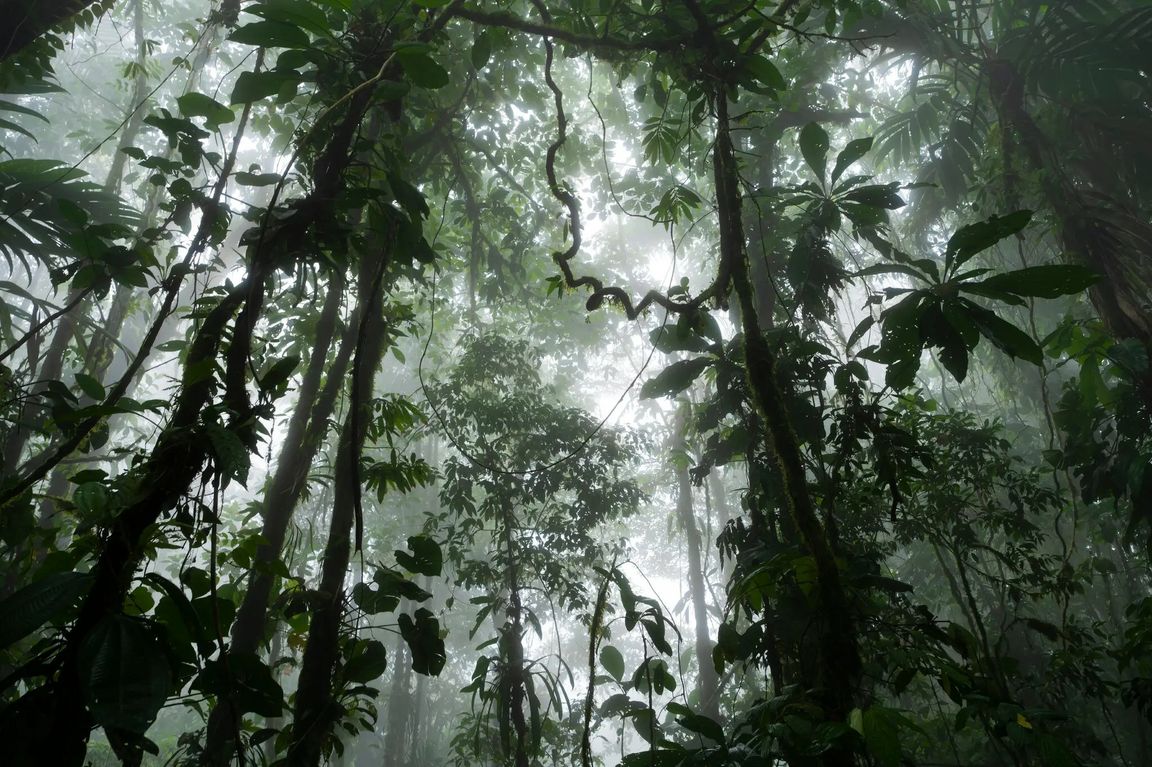
The New York Times featured an article about a new study that found animals returned to deforested land much more quickly than scientists had originally thought. UCLA’s Timo Metz, the study’s first author, says the findings disproved the notion that forest regrowth would have to precede animal reintroduction in deforested areas that had been used as pastures or cacao plantations. Instead, many animals returned within three decades rather than after centuries. Read more about UCLA in today’s Associated Press and KCBS-TV.
More highlights from UCLA in the News: April 22, 2026
LA County residents’ satisfaction with quality of life hits all-time low | KCBS-TV
“Fifty-two overall rating is below the midpoint, and it has been steadily going down since 2016 when we started this survey. I’ve been at UCLA since then, and it has been just a steady decline. It primarily dropped during the pandemic. The pandemic was a big hit on all of us and it changed everyone’s perception of their quality of life and their real quality of life,” said UCLA’s Zev Yaroslavsky. (Also: KCRW-FM.)
This could help predict melanoma patients’ response to certain therapies | Scienmag
A groundbreaking study emerging from the UCLA Health Jonsson Comprehensive Cancer Center unveils new insights into how the spatial architecture of immune cells within melanoma tumors profoundly influences patient responses to advanced immunotherapies. This research delineates a crucial paradigm shift in onco-immunology, suggesting that beyond genetic profiling, the physical organization of immune components within tumors can serve as a pivotal predictor for therapeutic outcomes, especially following resistance to frontline anti-PD-1 treatments. (UCLA’s Katie Campbell was cited.)
Organizations fighting sewage dumping in Massachusetts | Associated Press
Gregory Pierce, director of the Water Resources Group at UCLA, said he believes the current plan will deteriorate quickly and that the water authority should plan for more intense storms. “Any projection now of extreme weather events tends to be underestimated, so from how we keep breaking weather extreme records, it makes sense to build out the more expensive and comprehensive solution,” he said.