UCLA in the News lists selected mentions of UCLA in the world’s news media. Some articles may require registration or a subscription. See more UCLA in the News.
For some, the pandemic has taken a turn for the worse | Los Angeles Times
The Omicron strain that is generally considered mild has dealt a significant blow to people with compromised immune systems. … That, in turn, puts them at the mercy of those around them as COVID cases and deaths are ticking upward, mask use is falling, and updated booster shots are going unclaimed. In a world that’s moved on from precautions, “they’re on their own,” said UCLA infectious disease specialist Dr. Otto Yang.
With rise in COVID cases, could indoor mask mandates return? | KNBC-TV
UCLA’s Dr. Anne Rimoin says since people are not wearing masks as much as they used to, it was inevitable that COVID and other respiratory diseases would spread. “People should be looking at this like the weather — when we start to see predictions for rain, we put on a raincoat,” Dr. Anne Rimoin, a UCLA epidemiologist said. “So wearing a mask, for example, is a great protector against respiratory diseases in general; it's going to protect you against flu, against RSV, as well as COVID.
Teen brains aged faster than normal from pandemic stress | Washington Post
Dan Siegel, clinical professor of psychiatry at the UCLA School of Medicine, noted that many individuals experience post-traumatic growth after a stressful experience. “The researchers need to be commended for the hard work to get that data,” Siegel said. “You want to ask the larger question, of how is the brain remodeling process being affected?
Blood donor expansion could help stigmas about gay men | ABC News
The U.S. Food and Drug Administration is considering updating its blood donation policy, which currently places some restrictions on blood donations from sexually active gay and bisexual men … A 2014 study co-authored by [UCLA’s Ayako] Miyashita Ochoa found that eliminating the [original] ban could increase the donation supply by 2% to 4%, bringing in more the 615,000 pints of blood every year. (Also: Axios.)
New drug to target swelling that causes Alzheimer’s disease | Healthline
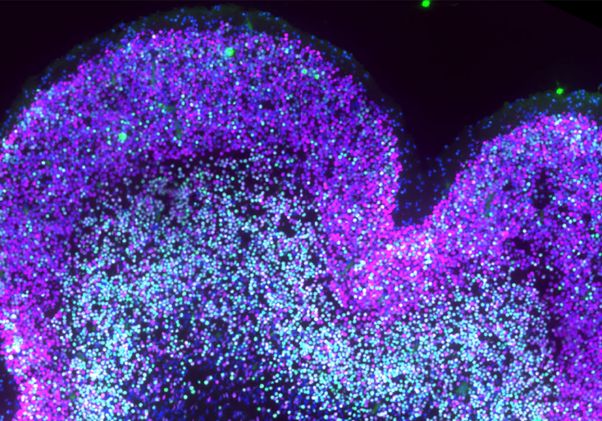
In a new study published Nov. 30 in the journal Nature, researchers found that swelling in the neurons caused by [amyloid] plaques may contribute to the symptoms of Alzheimer’s disease … “Amyloid plaques don’t take up a large amount of space in the brain, but they do affect hundreds of neurons that are near them or around them,” said Dr. Keith Vossel, professor of neurology and director of the Mary S. Easton Center for Alzheimer’s Research and Care at UCLA in Los Angeles.
Latinas are building savings at a higher rate than ever | New York Times
In some households, traditional gender roles that can leave Latinas dependent on spouses can render them financially insecure, said Fernando Torres-Gil, director of the Center for Policy Research on Aging at the [UCLA] Luskin School of Public Affairs and a member of the Latino Policy & Politics Institute. “For a lot of them, it’s still: The husband will provide a long, happy life,” he said.
UCLA makes agreement with local tribal community for land use | KCBS-TV
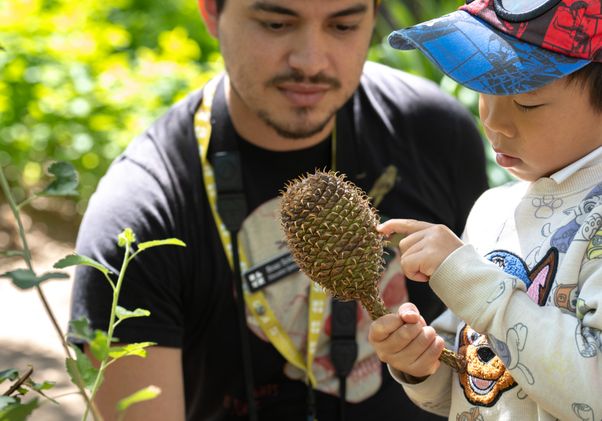
A new agreement between UCLA and members of the Gabrielino Tongva tribe ensures that the traditional tribal ways of tending to campus land will be practiced and that descendants of the original inhabitants of the land shall have access to it. In 2019 UCLA implemented an acknowledgement, now used during campus events and in official communications, that the campus is located on the traditional, ancestral lands of the Tongva. The new agreement is one of a series of recent developments at UCLA and across the University of California, that expand access to education for Native students.
UCLA First Thursdays hope to revitalize local businesses | Spectrum News 1
Following the pandemic, UCLA wanted to help revitalize the local community. The university created First Thursdays in partnership with Westwood where every month Broxton Avenue shuts down for a farmers market, music, food and more. (UCLA’s Mary Osako and Dalton Mumphrey were interviewed.)
‘Green’ Mediterranean diet drastically scales back the fat | Healthline
“The green Mediterranean diet group was enriched with polyphenols — compounds in various plant-based foods — and have potential antioxidant and anti-inflammatory roles in the prevention and management of several diseases, such as cardiovascular, hypertension, diabetes, and Alzheimer’s disease,” study author Hila Zelicha RD, PhD, clinical dietitian and postdoctoral fellow at the Department of General Surgery at the University of California Los Angeles, told Healthline.