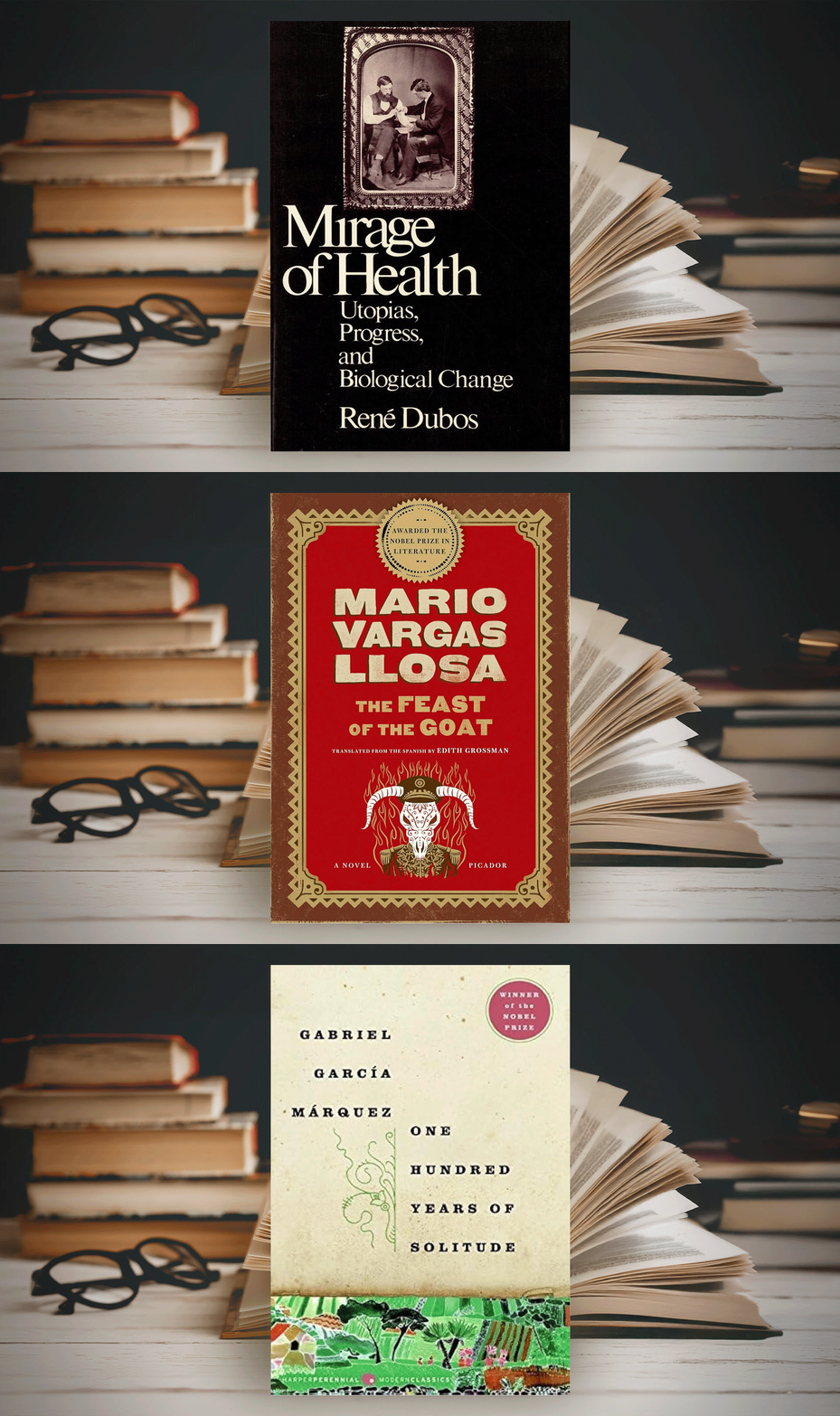
As one might expect of an academic, Julio Frenk is a voracious reader. Perhaps surprisingly, his interest is almost entirely in fiction. He reads in both English and Spanish and tends to favor contemporary Latin American authors. The three books he told us have most influenced him comprise, predictably, a list that is both impressive and eclectic.
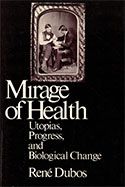
The Mirage of Health: Utopia, Progress, and Biological Change
René Dubos
This 1959 work by the famed French American microbiologist explores the limitations of modern medicine and innovation for achieving the utopian dream of universal health. “Dubos was a professor at Harvard and a prolific writer who later won the Pulitzer Prize [in 1969, for So Human an Animal],” Frenk says. “This book is about the idea that achieving health for all is not realistic. It gave me a very unconventional view of medicine, and just expanded my horizon.”
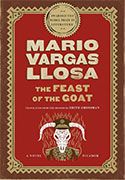
La Fiesta del Chivo (The Feast of the Goat)
Mario Vargas Llosa
This dual-timeline novel by the Nobel Prize–winning Peruvian author revolves around the assassination of Dominican Republic dictator Rafael Trujillo in 1961. It is, Frenk says, “a grueling and gruesome political novel about the extremes of depravity of humans and the things they do to one another, in a literary style that is just brilliant.”
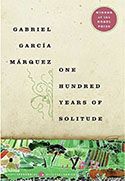
One Hundred Years of Solitude
Gabriel García Márquez
Considered one of the greatest works of Spanish-language literature and a splendid example of magical realism, this 1967 novel by the Colombian Nobel laureate tells the story of seven generations of a Spanish family. “I read it when I was very young, traveling with my backpack on trains,” Frenk recalls. “Then I reread it when I was a little more mature. It marked me.”
Read a profile of Julio Frenk in “A New Chancellor, A New Era.”
Read more from UCLA Magazine’s Winter 2025 issue.