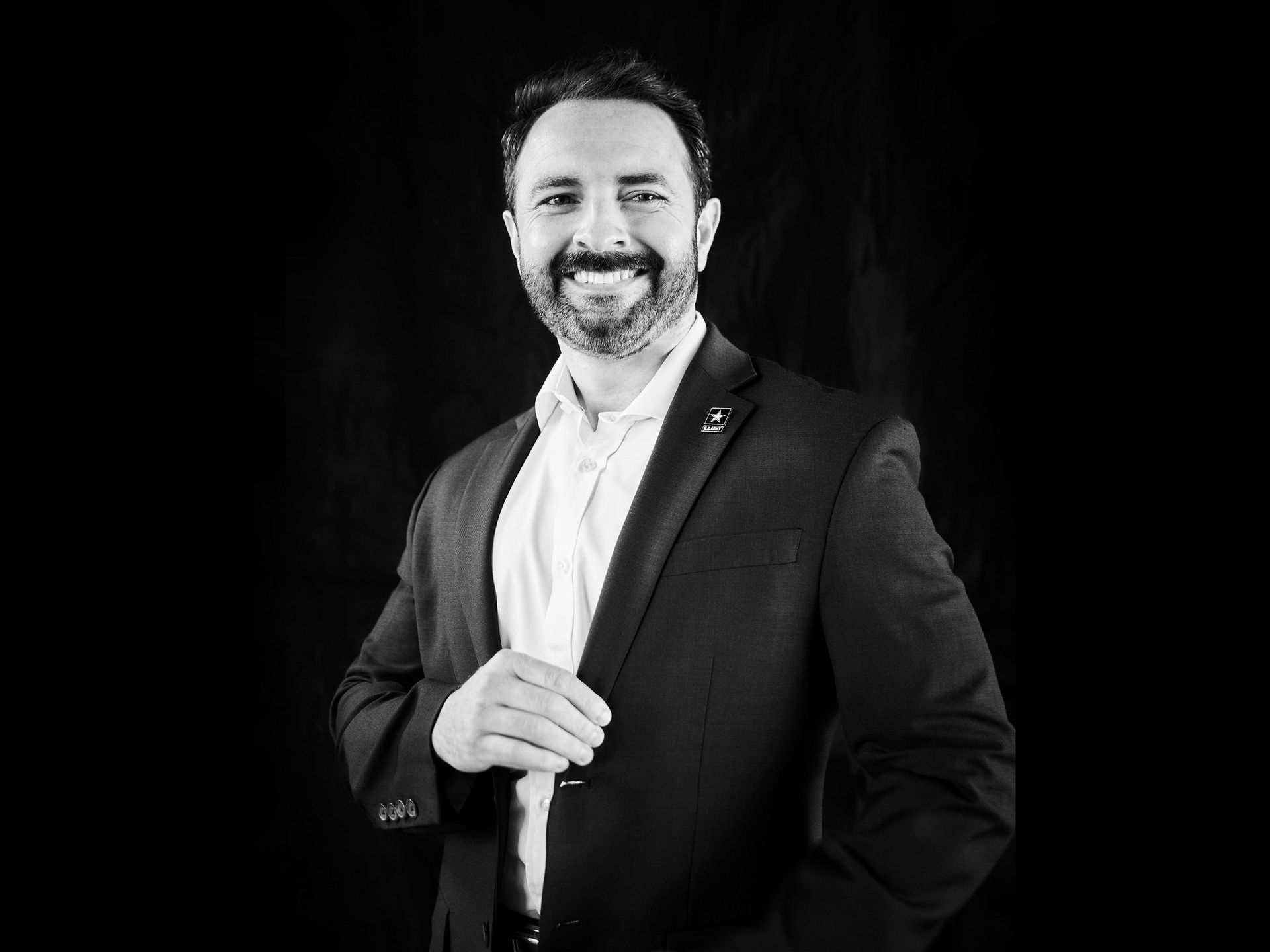
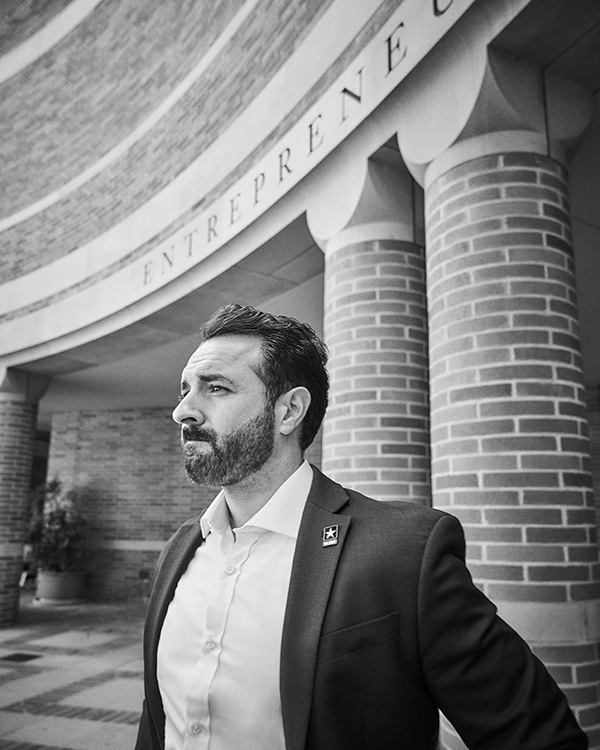
In June, U.S. Army veteran Patrick O’Brien will receive his M.B.A. from the UCLA Anderson School of Management. But he didn’t wait for his degree to start a business. Instead, he partnered with UCLA professor Eric Hoek to create NEXT TFX, which aims to do nothing less than transform ocean water into drinking water.
In part, this ability to think big comes out of O’Brien’s military experience, which he says made him comfortable with uncertainty.
“Basically, my tolerance for risk is through the roof,” he says. “I used to do dangerous things in the military, but I feel like I’m taking bigger risks through entrepreneurship.”
It was through a fellow veteran that O’Brien, president of the student group Association of Veterans at Anderson, heard about education entitlements. At the time, he was recovering from a serious injury he had suffered as a soldier. He spent that recovery time —two years — using online resources and library books to prepare himself for college and studying for the GMAT exam. He wanted an M.B.A. He wanted a better life.
Anderson program alumnus Juan E. Rose III ’13, a veteran of the U.S. Marine Corps, also heard about those benefits. Like O’Brien, Rose applied to multiple schools, was accepted by all of them, and chose UCLA. An alumnus of Anderson program, Rose grew up in East L.A., and going to an excellent university in his hometown meant a lot to him. A recipient of the prestigious John Wooden Global Leadership Award while he was a Bruin, Rose is now managing director with Colliers, a real estate brokerage firm in Las Vegas.
“While I was at Anderson, I took advantage of any veteran resource, any entrepreneurship resource. I doubled my course load. I did everything and anything,” he says. “Being at the business school with executive M.B.A.s, with people who were initial stockholders of Google, chief executive officers and chief operating officers, was a great opportunity. And being around other veterans going through that same transition was very helpful.”
That’s exactly the point. UCLA wants to serve people like O’Brien and Rose the way they served their country, says UCLA Chancellor Julio Frenk. The chancellor mentions the university’s partnership with the West Los Angeles Veterans Affairs Medical Center, which he says offers veterans a lifeline.
“UCLA is connecting veterans to the support, education and social networks they need to thrive,” he says. “These efforts reflect our larger aspiration as a university: to build connections, expand opportunity and advance the public good.”
Vets helping vets
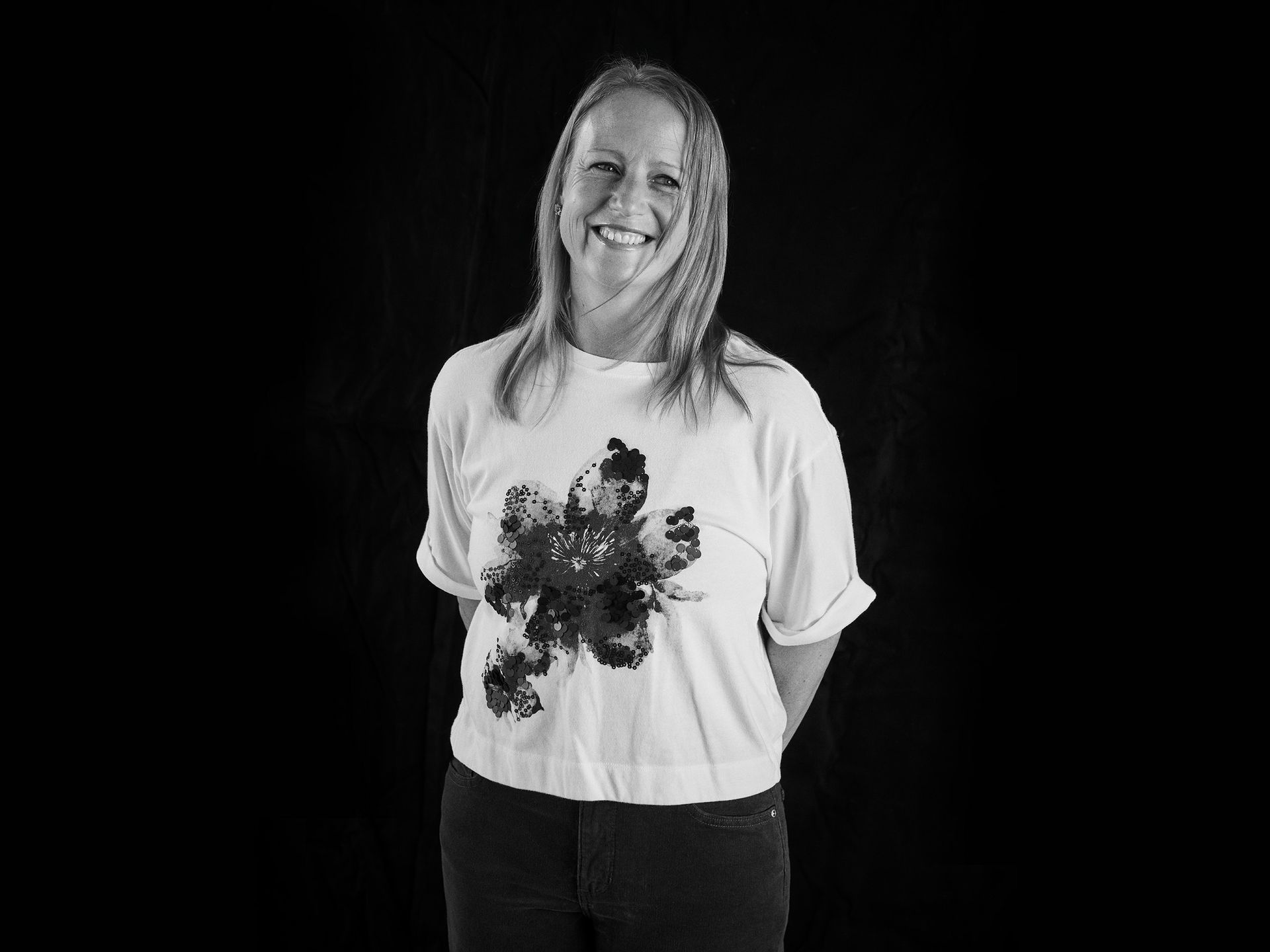
Stephanie Simon grew up in Orange County. As a kid, she was a Girl Scout who enjoyed outdoor activities like camping and canoeing. She decided to join the Army after dating a Marine, which had sparked an interest in the military. She soon found herself stationed at Fort Campbell in Kentucky.
Now Simon is taking classes for free at UCLA Extension. The opportunity is part of a larger menu available to veterans offered by the university, a menu that also includes free legal services and free counseling. Simon, who is pursuing a certification in alcohol and drug counseling, currently works with veterans as a recreational therapist. A big part of what she does is getting people out into social situations and encouraging healthier behavior. She relishes the small victories: One man she counseled had become extremely withdrawn, steadily refusing to do almost anything with his family. Simon encouraged him to take small steps to engage with the world. He eventually went to the Getty Center on a group trip. The next weekend, he took his wife.

Simon earned UCLA’s 2024 Veteran of the Year award, which honors and individual who is serving the Greater Los Angeles veteran community and given as part of the UCLA Veterans Day Celebration on campus. Today, she leads physical activities such as kayaking and hiking as part of a residential rehab program for veterans who are homeless or substance addicted. She says the support UCLA provides for veterans — who often feel lost when they come out of the military — gives them hope and helps them find a sense of purpose.
“I like seeing them get out of their head and not worry about things,” she says. “They're able to be in a safe space, doing something else, having something that's giving them joy, making them smile, and having a social connection with other people.”
Simon remembers a vet who started running with her and got into boxing.
“He stuck to it, and now he helps manage a boxing facility,” she says. “He's still running. He loves Rocky, and he ran that marathon up the Rocky steps [at the Philadelphia Museum of Art].”
Now we’re in business
The Entrepreneurship Bootcamp for Veterans (EBV), also located within Anderson, began in 2008 with a mission to serve post-9/11 veterans with disabilities. Everyone comes with different educational attainment: Some of the participants hold high school degrees; others have a master's. The program, overseen by a faculty director and teaching assistants, is meant to provide a foundation for veterans, giving them an opportunity to develop business ideas, get feedback on them, and then workshop them in in-person classes. Then follows a year of support, including mentorship, all with the goal of getting participants to understand the challenges and responsibilities of running a business.
The leadership and drive required to succeed in the military make entrepreneurship a good fit for vets. Program manager Jaqueline Toenniessen ’07, M.B.A. ’15 says enrollees often choose to do the same thing in civilian life that they did in the military (for example, fixing planes), while others want to do something completely different. She tells the story of a woman who had a passion for female aviators and chose to write stories about them, with plans to also launch a series of trading cards.
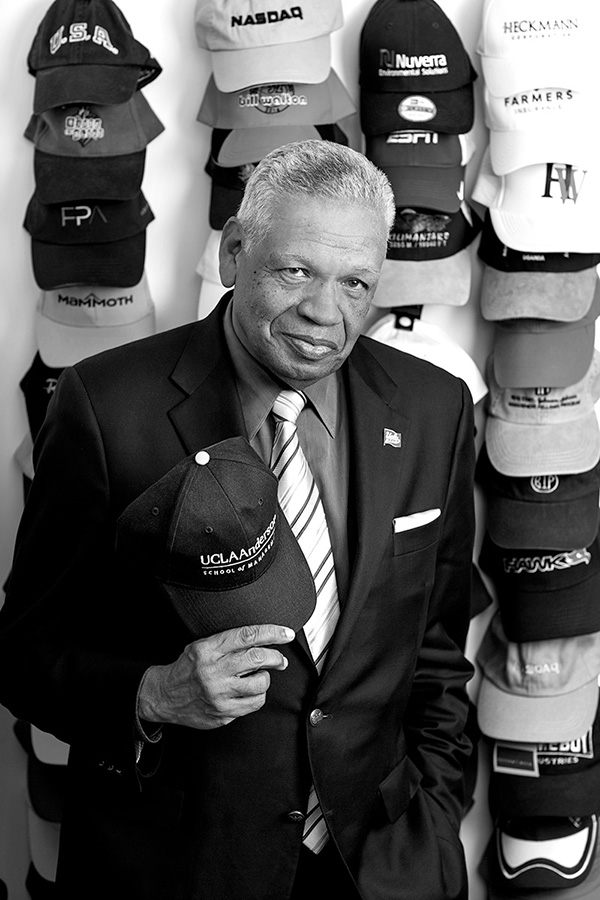
Alfred E. Osborne, Jr., retired senior associate dean of UCLA Anderson and currently faculty director of the Harold and Pauline Price Center for Entrepreneurship & Innovation, was the faculty director of EBV when it began in 2008; he’s often lovingly referred to as “the godfather of EBV.” Osborne, who had been in the reserves in college, had no hesitation about starting the summer boot camp when he knew UCLA would be able to help.
“Folks who have taken time out of their life to serve our country and in the process get abused or forgotten, it’s wrong,” he says. “My feeling is we need to do something about that.”
Something that stands out about the program, Toenniessen says, is the connections created in a short time. “Every single class is just so close and bonds so quickly,” she says. “They're able to build this community, and they have 20 other entrepreneurs they can bounce ideas off or pitch to.”
Some participants have never been to college before; many tell Toenniessen the experience changed their lives.
“They're blown away by the high-touch level of this program, and having access to these top-quality lectures and instructors at Anderson is so amazing for them,” she says. “Something that you see often in this group is, ‘I'm a leader, and I'm just going to hustle and do it.’ This gives them the tools to do it in a more efficient and sustainable way.”
O’Brien was a guest speaker in the bootcamp last summer. One of the students he met there was Marine veteran Cassidy Nolan, who holds a B.A. in business from UC Berkeley and an M.B.A. from San Francisco State University. He now runs a hot sauce company called Mach 1. Even with all of his previous education and experience, he says he couldn’t pass up the chance to come to UCLA and meet people like O’Brien. It’s a big part of what he loved most about the entrepreneurship program — the sense of camaraderie that is so key in a strong military.
“He's got a killer mustache, let's agree, and I loved his attitude and his energy,” Nolan says of O’Brien with a laugh. “I feel like, here's a veteran in the business landscape trying to do something good and beneficial, and not some stupid AI-powered dog-walking app.”
Nolan’s father was a chef and his mother a baker, so he grew up in kitchens in Napa. In college, his wife gave him a beer-making kit, sparking a love of brewing. He also started making his own hot sauce. The enthusiastic feedback he received on samples he gave out to coworkers and fellow students in his jiujitsu class planted the seed that led to his wanting to start his own company.
The pull was so strong that he left a job that was pretty much perfect for him at Tony La Russa's Animal Rescue Foundation (now Joybound People & Pets) as director of a program training service dogs to work with veterans. But once he decided on the new course, he was, as they say in the Navy, full speed ahead.
And he says he appreciated attending the UCLA bootcamp to get perspective on his business. “Even the best doctors still go to annual conferences and symposiums,” he says. “I think it's beneficial to go to these events, especially ones at a prestigious university in a cool location, with business professors that are masters at their craft.”
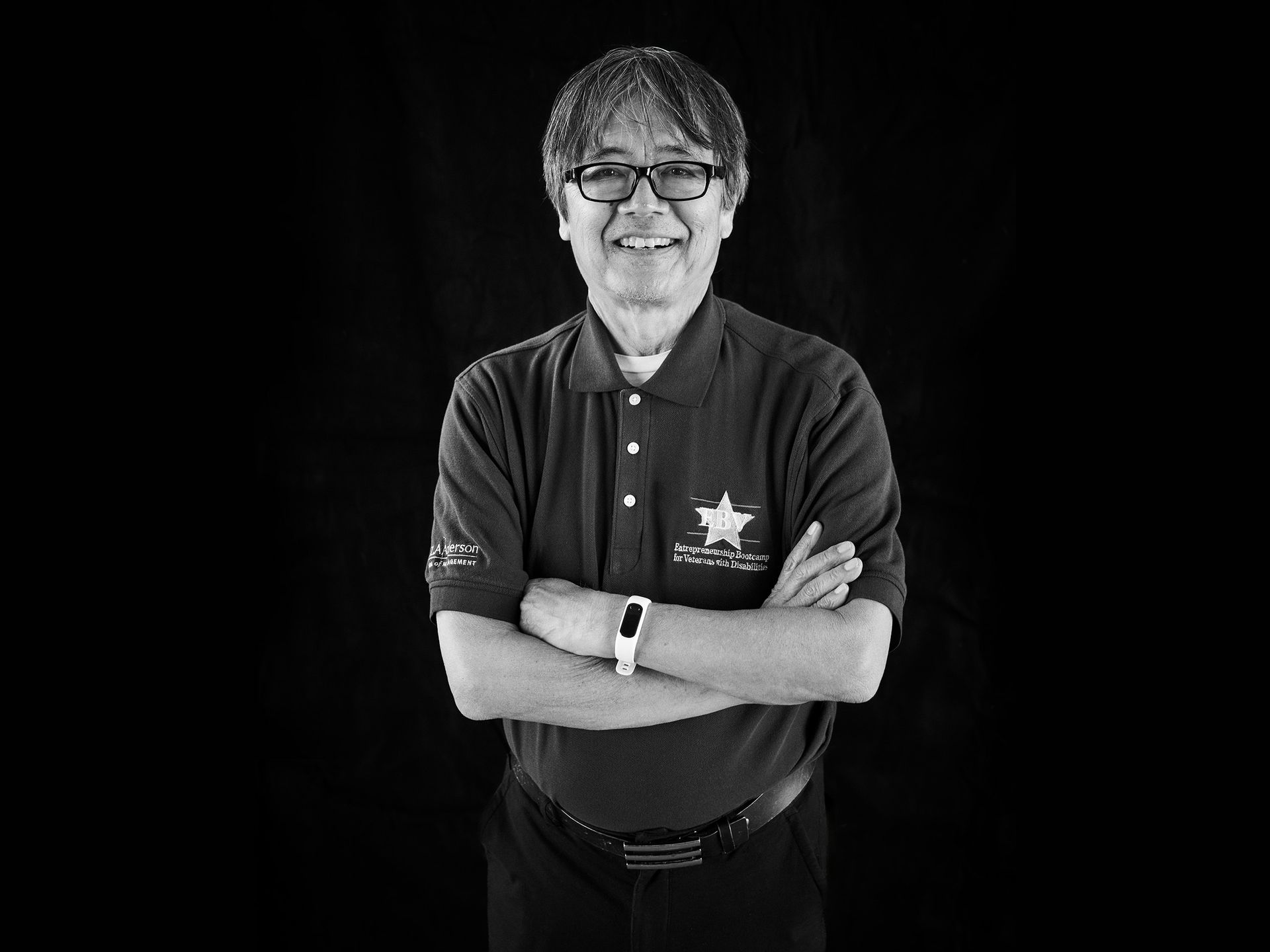
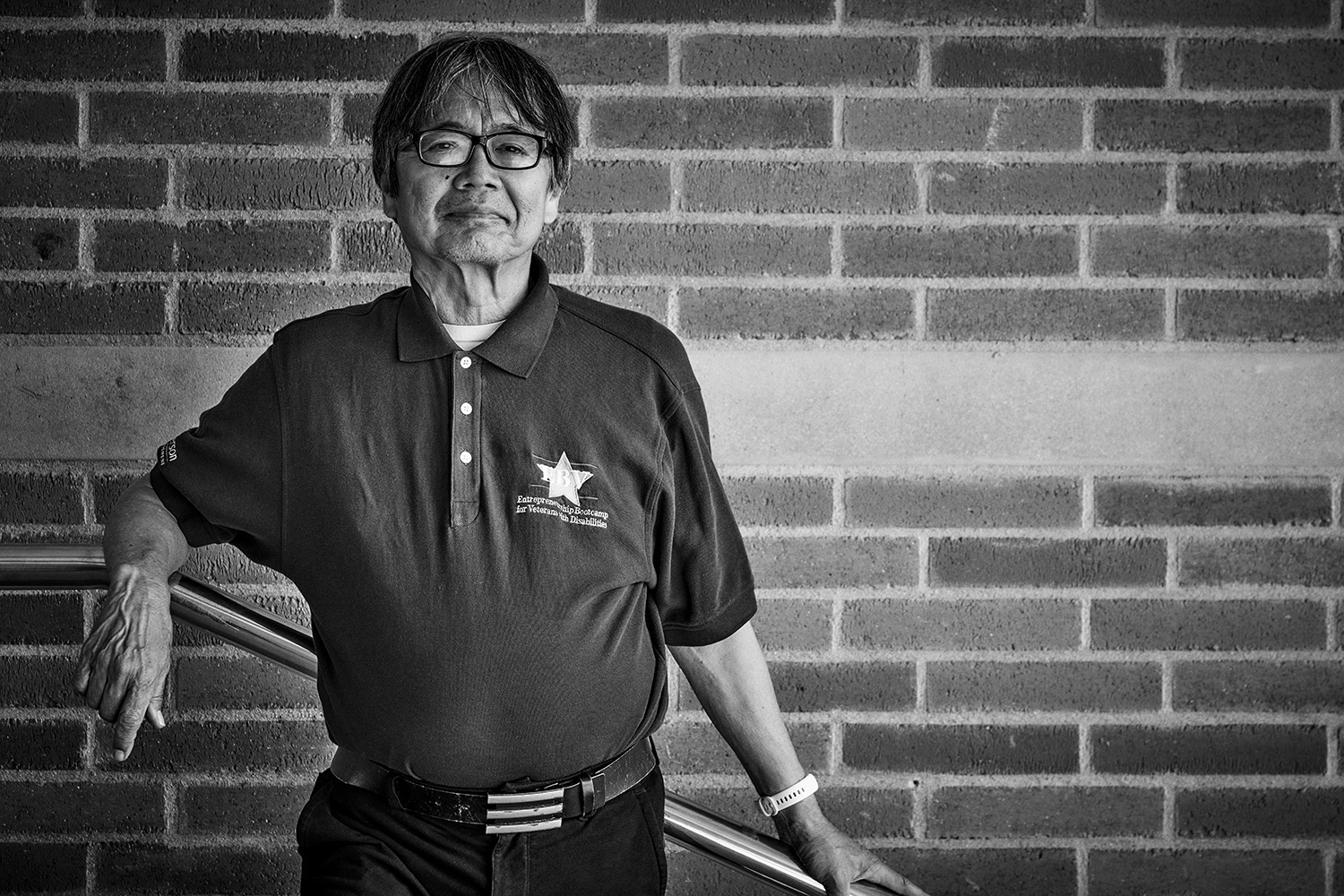
One of those professors is George Abe ’69, M.S. ’71. The faculty co-director of the program, Abe has been there from the start. He loves working with the students, whom he calls “humble.”
Many of them have never been on a college campus, never mind as enrolled students. Abe’s EBV students have gone on to do all sorts of things, from opening a bar to writing children’s books to selling bobblehead dolls. He says a lot of what he and other professors do is ask questions that the future entrepreneurs might not have considered.
“What do you do about a customer warranty? How do you deal with an unhappy person? Have you thought about fundraising and how much money you have to raise?” he says, ticking off questions he regularly poses to attendees. “And why do it in L.A.? Why don't you do this in Bakersfield? Our job is not to give them answers to what the formula for success is, because we tell them there’s no formula. Our job is to tell them where the problems are.”
When he started teaching, Abe saw that many of the students had been physically wounded due to combat in Afghanistan and other locales. He remembers a young vet who attended a Dodgers game wearing shorts that revealed a scar running down his leg. But a lot of the vets’ disabilities — such as acute PTSD and anxiety — aren’t readily visible. Which only makes the program’s mission all the more critical.
“We owe them a lot,” Abe says of the veterans. “We’re obligated to do what we can.”
Read more from UCLA Magazine’s Spring 2026 issue.