It started with a stroke of serendipity.
Naomi Eisenberger ’97, M.A. ’00, Ph.D. ’05, then a graduate student, was analyzing brain scan data from a study of the neural activity that occurs when people are socially excluded. Sitting next to her, a peer examined different data that tracked neural activity in patients with chronic pain.
They noticed something strange: The data looked remarkably similar. That observation led to a landmark finding.
“Those eureka moments make me want to continue being a scientist,” says Eisenberger, now a professor of psychology at the UCLA College. “When I start reflecting — ‘Whoa! This is wild that the brain responds to a broken social relationship with pain’ — our brains being organized that way feels like something very beautiful about the human condition.”
As director of the Social and Affective Neuroscience Lab, she continues to create new knowledge about how connection and emotion affect our minds and bodies.
Eisenberger’s lines of inquiry represent one vibrant piece in a broader tapestry of UCLA research that’s deepening our understanding of human bonds. These studies interrogate everything from coupled relationships to digital communities to the nuts and bolts of everyday interactions. Tapping into the core of what makes us human, they hold the potential to benefit many facets of health and well-being while turning up insights that help us live more connected lives.
UCLA experts in the science of connection agree on a vital asset that makes this such a great place to pursue their investigations. Appropriately, the theme is connection — the ease of forging interdisciplinary partnerships in a community of scholarly breadth and excellence.
“People reach across different boundaries, and ignore the boundaries,” says Thomas Bradbury, a distinguished professor of psychology and co-director of the UCLA Marriage and Close Relationships Lab. “That’s where interesting things tend to happen in research, and UCLA is very good at encouraging it.”
The university doesn’t just harness team science to push forward knowledge of social relations; UCLA was central to the launch of this sort of research.
National Medal of Science honoree Shelley Taylor, a distinguished professor emeritus of psychology, is a recognized forerunner in the studying of social cognition and health psychology. Another distinguished professor emeritus, Anne Peplau, co-developed a widely used scale for measuring loneliness, fueling research into the topic. The sociology subfield concerned with analyzing conversations began at UCLA and has remained a leading light in this area. Meanwhile, psychology professor Matthew Lieberman is credited as one of the founders of the field of social neuroscience, which investigates the neural bases of our social nature.
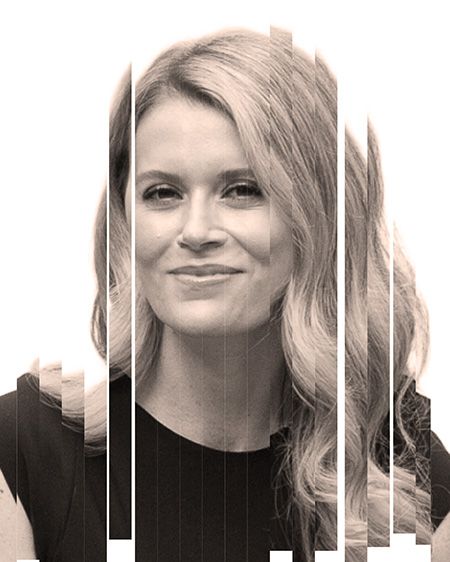
“As humans, we help others quite a lot”
Since uncovering the link between rejection and pain signals in the brain, Eisenberger has used tools that include brain imaging and surveys to delve more deeply into the ways our social connections affect our minds and our health. For instance, her team has found that taking Tylenol can actually reduce social pain, and that the feeling of physical pain can be reduced by looking at a picture of a loved one.
A series of findings provides welcome news to good Samaritans (and motivation for the rest of us): Doing good for others might be good for your mental health.
“As humans, we help others quite a lot,” says Eisenberger, a co-director of the UCLA Center for Friendship Research. “I’m fascinated by this process where helping others has a stress-reducing effect.”
Her lab’s experiments reveal that being helpful activates reward regions in the brain that are also engaged when people win money or eat chocolate. Compared to acts of self-care, acts of kindness do more to reduce depression, anxiety and loneliness. Such prosocial behaviors can reduce current stress and can even reduce the physiological response to a stressful situation afterward.
Eisenberger sees these benefits as deriving from the evolutionary history behind the caregiving instinct that drives a mother to protect her child. After all, it takes a reserve of calm to put someone else first in dangerous situations.
Even if kindness comes naturally, she is quick to add that it requires intention.
“It’s easy to say, ‘Do kind things for others,’” she says. “It’s also important to note that it may be more effortful than self-kindness, like taking a warm bath or watching your favorite TV show. But doing good for others has longer-lasting benefits.”
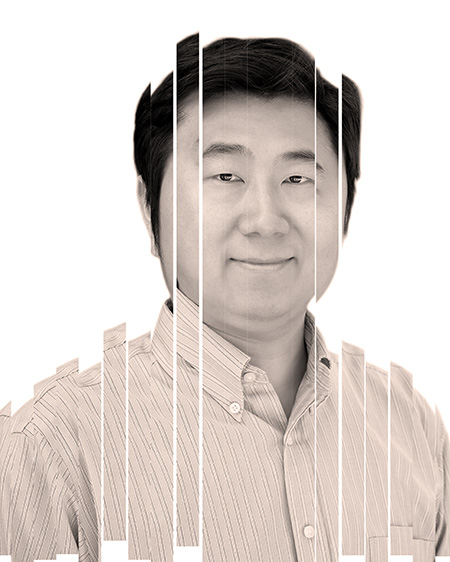
“Empathy and compassion are what glue society together”
Understanding the fundamental biological machinery of the brain is the mission of Weizhe Hong, a professor of neurobiology and biological chemistry at the David Geffen School of Medicine at UCLA. Hong and his colleagues at UCLA’s Social Neuroscience Laboratory seeks out the circuits, cells and molecules behind empathy, compassion and cooperation.
“When two brains interact, the level of complexity is profound,” says Hong, who is also a professor of bioengineering at the UCLA Samueli School of Engineering. “Our job as scientists is to make something so complex and intangible, tangible — to grasp something so difficult to grasp.”
Many insights come from observing brain activity in mice during experiments modeling prosocial behavior. Team-ups with UCLA engineers enable the work: Hong’s team sometimes outfits subjects with miniature microscopes that record real-time data about single cells. Recent collaborations examined interactions between generative artificial intelligence agents with architecture modeled after the human brain.
A striking similarity between biological and artificial brains emerged: When two individuals cooperate, certain patterns of activity synch up. Algorithms could eventually become proxies for studying the brain.
“If the two systems have similarities, you can use that to create situations that are difficult to do in humans or animals,” Hong says. “You can also do it faster. Certain AI algorithms learn 10 million times faster than any human or animal could.”
His research may inform future interventions for neuropsychiatric and developmental conditions in which prosocial behavior is disrupted. The findings may also give us a more nuanced view of what it means to be human.
“Understanding the fundamental mechanism of prosocial behavior in the brain is the foundation of understanding how those regions might be impaired in various mental conditions,” Hong says. “Empathy and compassion are what glue society together. A lot of forces separate us, and we need that glue to bring us together.”
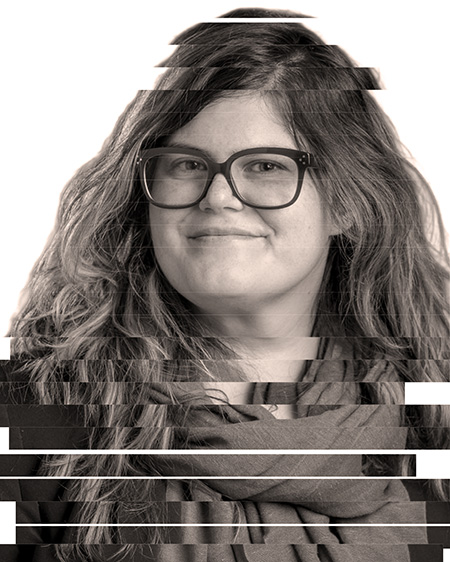
“Friendships are the silver bullet”
For UCLA associate professor of psychology Jaimie Krems, breaking new ground in a wide-open field is a mixed blessing.
“It’s frustrating that when people ask me, ‘How can I find a friend?, I have nothing I can say that is based in empirical science,” Krems says. “But as a scientist, it’s exciting to be at the frontier of something. Almost any question I ask is going to yield a discovery about human nature.”
Krems leads the UCLA Center for Friendship Research — the first and only research center in the world whose focus is solely the science of friendship. She and her colleagues there are filling a gap in social science literature in the study of relationships, which has traditionally focused far more on romantic and familial connections than on loneliness and social connection.
Today’s loneliness epidemic renders the quest vital. A robust body of research has established the benefits of friendship to health, happiness, well-being, economic mobility and civic engagement, with loneliness shown to negatively impact everything from immune health to work life.
“The No. 1 antidote to loneliness is friendship — not marriage, not religion, not clubs, but friendship,” says Krems, principal investigator in the UCLA Social Minds Lab. “Friendships are the silver bullet. They are key to boosting innovation, decreasing health care costs, protecting democracy and improving community resilience in the face of disasters.”
________________________________________________
Her work can expose the darker side of friendship. A recent study showed that when, for instance, Aiden vents to Billie about their mutual friend Carey, Billie tends to prefer Aiden over the target of ire.
“We compete for friends the same way we do for partners,” Krems says. “Our minds evolved to navigate this competition because friends are such an incredible resource.”
Fittingly, Krems and the Center for Friendship Research are building alliances. In 2027, the center will host the first-ever conference on the science of friendship.
“We plan to galvanize the research community around friendship,” Krems says, “and we look forward to doing the basic science that leads to actual interventions.”

“It requires getting out of your comfort zone”
In an era troubled by bitter divisions, the UCLA Social Relations Lab’s research carries special relevance. Led by psychology professor Yuen J. Huo, the team digs into relationships between different groups, focusing especially on conflict.
“Groups provide a sense of belonging and help you figure out your place in the world,” Huo says. “The downside is that the distinct social identity motivates people to view outgroup members differently. Under the wrong conditions, it escalates to intergroup hostility. At worst, it becomes dehumanization.”
For the last decade of her 30 years in her field, Huo has examined how white Americans view social change. Key context comes from predictions, following the 2010 census, that the United States would become a majority-minority nation by 2040. More recent prediction models have that occurring sometime between 2043 and 2060.
Huo has shown that reminding white Americans of that change can create fear and anxiety. It leads to opposition against diversity efforts, lack of interest in interacting with people of different races or ethnicities, and even lack of interest in other cultures’ cuisines. She links these results to other researchers’ findings that when people think of an American, they typically think of someone white.
“A member of a majority dominant group can try to hold on to benefits only that group has,” Huo says. “It leads to a lot of the division we see every time we turn on our phones.”
How to start healing? Huo points to colleagues’ studies indicating the value of friendships that cross group boundaries, especially when people are working together toward a common goal.
“A bottom-up thing that anyone can do is making yourself available to develop some kind of relationship with someone different than you,” she says. “Develop an interpersonal bond, and that positive feeling might generalize to others, like the person you’re interacting with. It requires getting out of your comfort zone, but it’s probably the most fruitful way to go forward.”
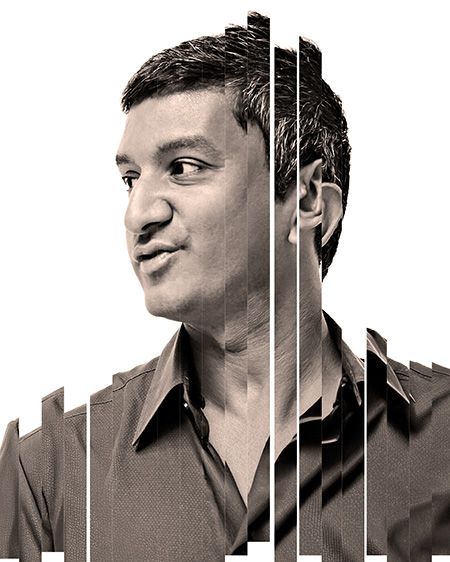
“We need to lose the hardened, apocalyptic mindset”
Ramesh Srinivasan, founder of the UC Digital Cultures Lab, explores how emerging technologies affect our lives and our visions of the future, and how society can embrace new tech sustainably. A professor of information studies at the UCLA School of Education & Information Studies with a joint appointment in Design/Media Arts, Srinivasan steeps his work in humanism and the humanities while striving for public-facing outreach and impact.
His books mine global examples of people using digital technology in ways that incorporate trust and connection. He’s working with California state leaders to advocate for watermarks on generative AI content. His podcast, Utopias, explores brighter future visions with guests who have included Buddhist monks, a Nobel laureate, an indie rockstar and a presidential candidate.
“This is not an inherently catastrophic moment,” Srinivasan says. “Not all algorithms are oppressive. We need to lose the hardened, apocalyptic mindset because that doesn’t create any space to imagine or for any of us to have any power.”
In his analysis, social media has exacerbated divisions and damaged the stuff of democracy: dialogue, trust in other human beings and the ability to disagree with civility. “You and I could be the same on every single level,” he says, “but when we log on to Twitter, we could be presented with completely nonoverlapping worlds. There are no common references.”
On an individual level, Srinivasan encourages people to be mindful in their interactions with technology. “We shouldn’t have to feel like the forces of technology determine our experiences of trust or social life,” he says. “Look at how something makes you feel. How does five minutes on Twitter make you feel? Slowed down or sped up? Do you feel like you need another rush? That’s the foundation of literacy around technology.”
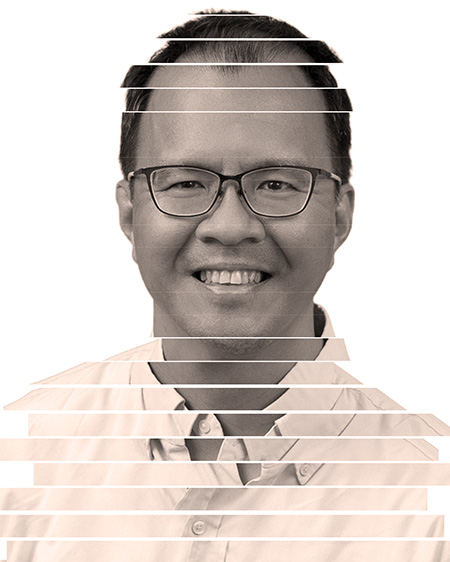
“We forget that something social and psychological could impact us biologically”
UCLA psychology professor Theodore Robles connects the dots among stress, social bonds and health — particularly in the effects of these on the immune system. His Relationships and Health Laboratory at UCLA has made substantial contributions to a body of research indicating that warm social connections are good for health, while unhappy ones are not.
His team’s recent studies showed a link between self-reported stress and cellular markers of aging in middle-aged people who feel distant from their significant others. That correlation didn’t show up among those who felt closer.
“We’re evolved to exist in close-knit groups, so it makes sense that social architecture should help us deal with our environment,” says Robles, who is vice chair for graduate studies in the UCLA Department of Psychology. “Sometimes we forget that something social and psychological can impact us biologically.”
A consistent finding suggests a route to improving the lives of those you care about: Better health is linked to the perception that a person is available to you if you need them. “We as individuals can think more about how to make sure that the people in our orbit feel valued, understood and cared for,” Robles says.
For the past decade, he has been actively exploring loneliness as a public health priority, on campus and beyond, with his team helping to prompt a 2025 World Health Organization report on social connection. At UCLA, Robles works with the Semel Healthy Campus Initiative, focusing on how the built environment on campus can encourage connection.
“A lot of people are recognizing we have a problem that cuts into so many aspects of our lives,” Robles says. “Our work suggests that social connections have to be part of institutional and policymaking decisions. The key is how we structure our lives to invest in relationships, as individuals as well as in workplaces and at institutions of higher education.”
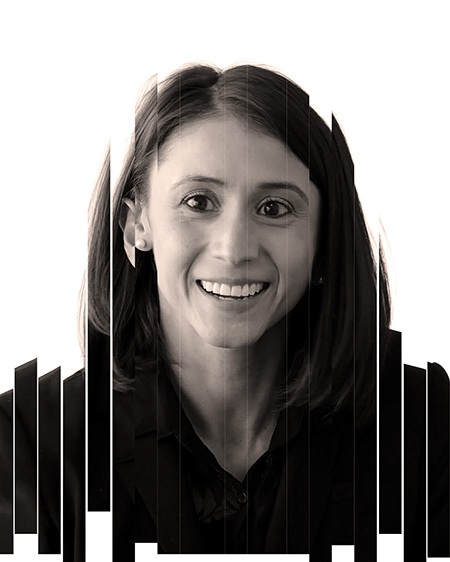
“Adolescents seek out bonding”
The remit of the UCLA Center for the Developing Adolescent includes the study of human bonds — and much else besides. Founded in 2015, the multifaceted center hosts a broad gamut of research about young people ages 10 to 25, disseminating the science so it’s relevant beyond academia.
The CDA’s easy-to-understand resources for the public include a podcast, a blog, and an educational minisite. Members lead workshops for teachers, brief policymakers and provide influential expert testimony in court. In 2024, when the White House held its first-ever interagency Youth Policy Summit, CDA leaders were there making the case for increased investment in adolescents.
“We’re a science communication center founded and run by scientists,” says UCLA dean and vice provost for undergraduate education Adriana Galván, who serves as co-director of the CDA alongside developmental psychologist Andrew Fuligni. “If we do great work and no one’s reading it, we’re not going to make a difference in the lives of young people.”
Galván, a professor of psychology and director of the Developmental Neuroscience Laboratory, emphasizes findings that demonstrate the adolescent brain is designed to connect. Just as infants are primed to absorb language, young people are inclined to soak up social information.
________________________________________________
“Adolescents seek out bonding with other people,” she says. “During this time, our brains are reshaping themselves in a way that facilitates bonding. We are better at reading facial expressions, identifying what someone is feeling and taking someone else’s perspective.”
Many worry about today’s adolescents, as kindergarteners from the pandemic’s “safer-at-home” directives join the cohort. However, early indications from CDA research show mixed effects on their social connections.
“Some kids really dove into engaging online, while others’ social behavior was impacted negatively,” Galván says. “People should know all is not lost. Young people are gaining traction and finding ways to connect, because that inclination to connect is so strong during adolescence.”
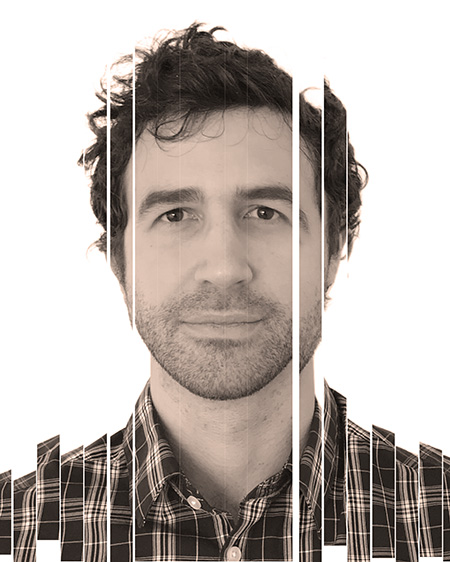
“It could help us see how to transcend differences”
Giovanni Rossi, a UCLA associate professor of sociology, zooms in on moment-by-moment interactions. Within the subfield of conversation analysis, his specialty has been requests, large and small, among people who know each other well.
“Things happening in real time may be ephemeral, but they add up,” says Rossi, the sociology department’s vice chair and director of undergraduate studies. “These interactions can constrain or strengthen a relationship. We believe they have a cumulative effect over time.”
His research spans cultures from postindustrial America, Europe and Asia to remote communities in South America, Africa and Australia. Findings show that small requests — think, “Pass the salt” — are frequent, and usually fulfilled.
“We find people are overwhelmingly helpful,” says Rossi, an advisory committee member at the UCLA Center for Language, Interaction, and Culture. “This subfield as a whole demonstrates a bias toward solidarity built into the machinery through which everyday interactions happen.”
Some results dispel myths. Surprisingly, English speakers used “please” in fewer than 10% of requests to family or friends. The magic word appeared mostly after signs of resistance or when the person who used it was interrupting a task.
“The implication is that in everyday interactions, the actual use of ‘please’ relates to something negative going on,” Rossi says. “Adding ‘please’ might backfire if they wonder, ‘Why is he using “please” when there was no problem with me passing the salt?’”
A recent project expands his work to interactions between strangers. Earlier in the COVID-19 pandemic, colleagues collected more than 1,600 one-on-one videochats featuring Americans who were diverse along every dimension. Rossi, in collaboration with the UCLA Bedari Kindness Institute, is analyzing interactions between those with the least in common.
“Some of those conversations work out,” he says. “How do they bridge the sociodemographic gap? It could help us see how to transcend differences and connect with people at a time in American history that couldn’t be more polarized.”
“Under stress, the most difficult thing to do in a relationship is the most important thing to do”
Making sense of the most intimate, most complicated relationships is the raison d’être of the UCLA Marriage and Close Relationships Lab, led by clinical psychologist Thomas Bradbury and social psychologist Benjamin Karney. For decades, they have used surveys, observation and experiments to better understand those bonds.
The research follows hundreds of couples over time. Bradbury and Karney showed that while quality of communication doesn’t do much to predict satisfaction in close relationships, communication during times of stress is very important.
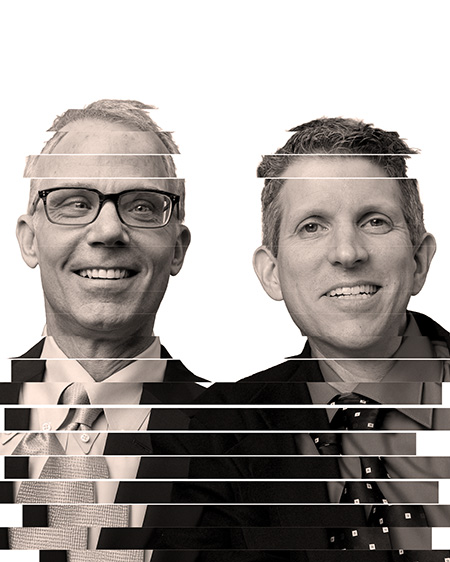
“Knowing when to communicate well matters,” Bradbury says. “When we are under stress, the most difficult thing to do in a relationship is the most important thing to do. The litmus test isn’t just conflict, but conflict when you’re not at your best.”
The lab also identified two distinct levels of commitment: wanting a relationship to continue versus the willingness to put aside selfish interests to meet a partner’s needs. The former correlates with satisfaction, while the latter reduces likelihood of divorce.
Bradbury encourages anyone in an intimate relationship to focus on seeing their partner’s perspective, especially when in conflict.
“Rather than say, ‘This is an attack on me,’ think about how to use what you have in the relationship to understand them better,” he says. “Rather than counterattack, you can say, ‘I notice that you and I think about this differently. How does it work for you?’”
It’s no secret that the landscape of coupled relationships is changing. Fewer people marry, and they marry older when they do. Even with today’s unique challenges, Bradbury takes a longer-term view.
“Intimacy and connection are evolved legacies,” he says. “Marriage, as important as it is within our society, is a human construction. Regardless of the label, humans pair-bond. The power and value of intimacy was true 100 years ago, and I think it’ll still be true 100 years from now.”
Read more from UCLA Magazine’s Winter 2026 issue.