I first learned of Bonnie Cashin as a student at the Bard Graduate Center, while I was working as a research specialist in Sotheby’s fashion department in New York. At school, I was also contributing to the groundbreaking Women Designers in the USA: Diversity and Difference book and exhibition, which was centered on the stories of iconic and lesser-known women who made key contributions to 20th-century culture. As I dove into the research, I was immediately drawn to the enormity of achievements that defined Cashin’s career.
As soon as I had her phone number, I called and bluntly announced, “I want to redress the historical neglect of your career.” She laughed. “You have years of work ahead of you,” she replied. I was invited to tea, and we soon fell into a regular pattern of visits. She offered me unprecedented and unrestricted access to her studio and archive, and over the course of the friendship that ensued, Bonnie came to call herself my “big sister.” We spent untold hours discussing her remarkable life. When she died at the age of 92 in 2000, I was stunned to discover that I had inherited the contents of her apartments as well as her entire design archive. The magnitude of the material and the message were both a great shock and a huge comfort. She trusted me to tell her story.
I wanted her professional papers to be surrounded by those of her intellectual heroes. I also wanted her to be “home,” in California, where she’d been born and raised. In the end, the perfect place was UCLA. It is my fervent hope that the collection will be utilized here to both give Cashin her proper due, well beyond her known place in the pantheon of American fashion, and to spark the creativity and joy she embodied in future generations of thinkers across disciplines.
To understand what I mean, consider this phrase: “Bonnie Cashin isn’t just fashion. She has become a cult.” Fashion journalist Eugenia Sheppard wrote those words in 1963. Hubert de Givenchy called Cashin “one of the greatest designers in the world”; Jonathan Adler still cites her as his muse. (“I worship at the altar of Bonnie Cashin,” he wrote for my Cashin book.) There are generations of others. She was revered for her radically intellectual, independent and avant-garde approach to design, and for refusing to compromise her artistic vision. “Accepted practices,” she once said, “are not sacred.”
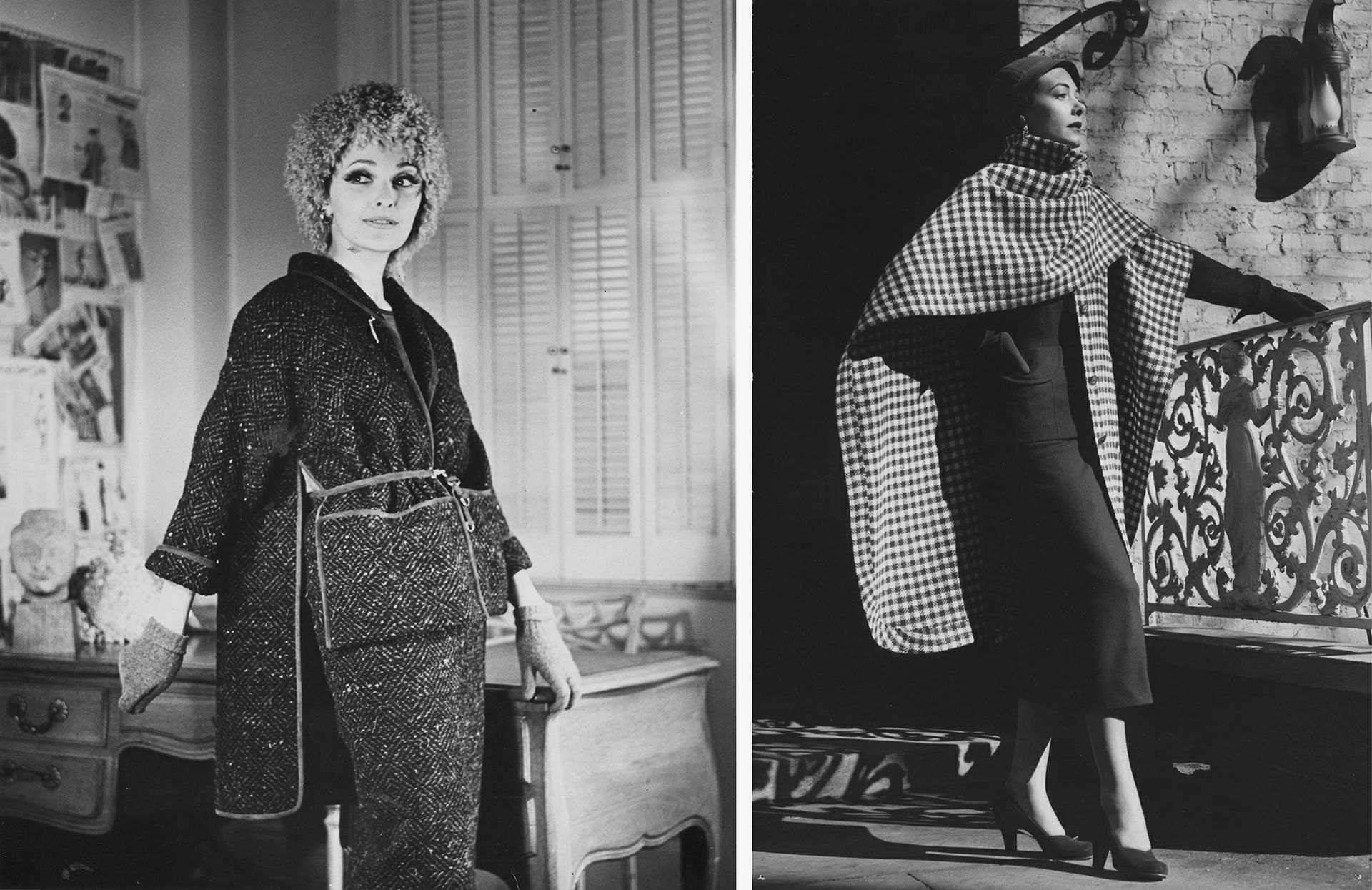
Read more about the Bonnie Cashin Collection at UCLA Library Special Collections. And on the same page, find the special Cashin fashion photo shoot.
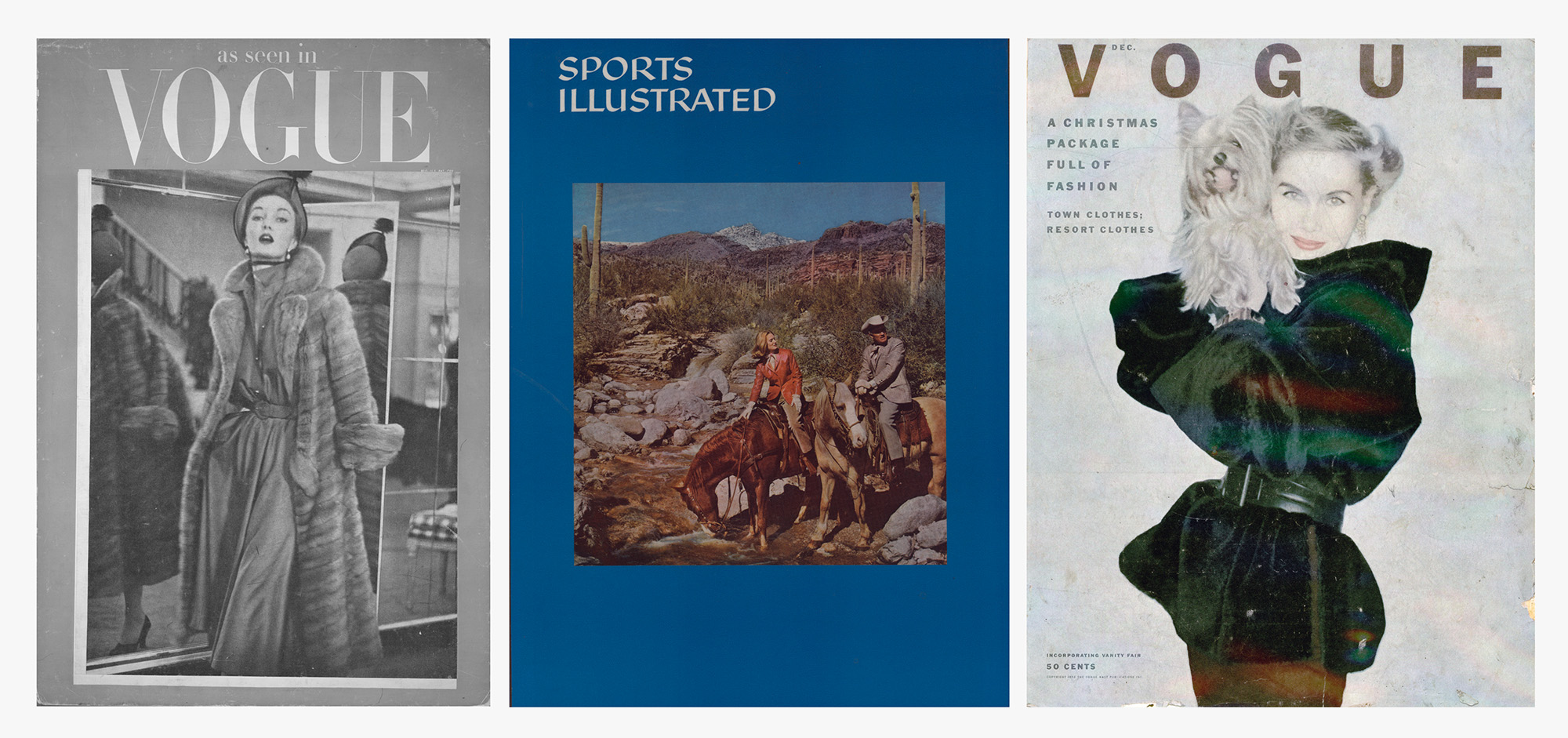
A pioneer in ready-to-wear who outfitted an emerging generation of freethinking women, Cashin designed for some of the most prestigious fashion companies in the world — from Coach, a company formed to launch her accessory designs in 1962, to Hermès, where she remains the only outside designer whose work has ever been sold alongside their own collections.
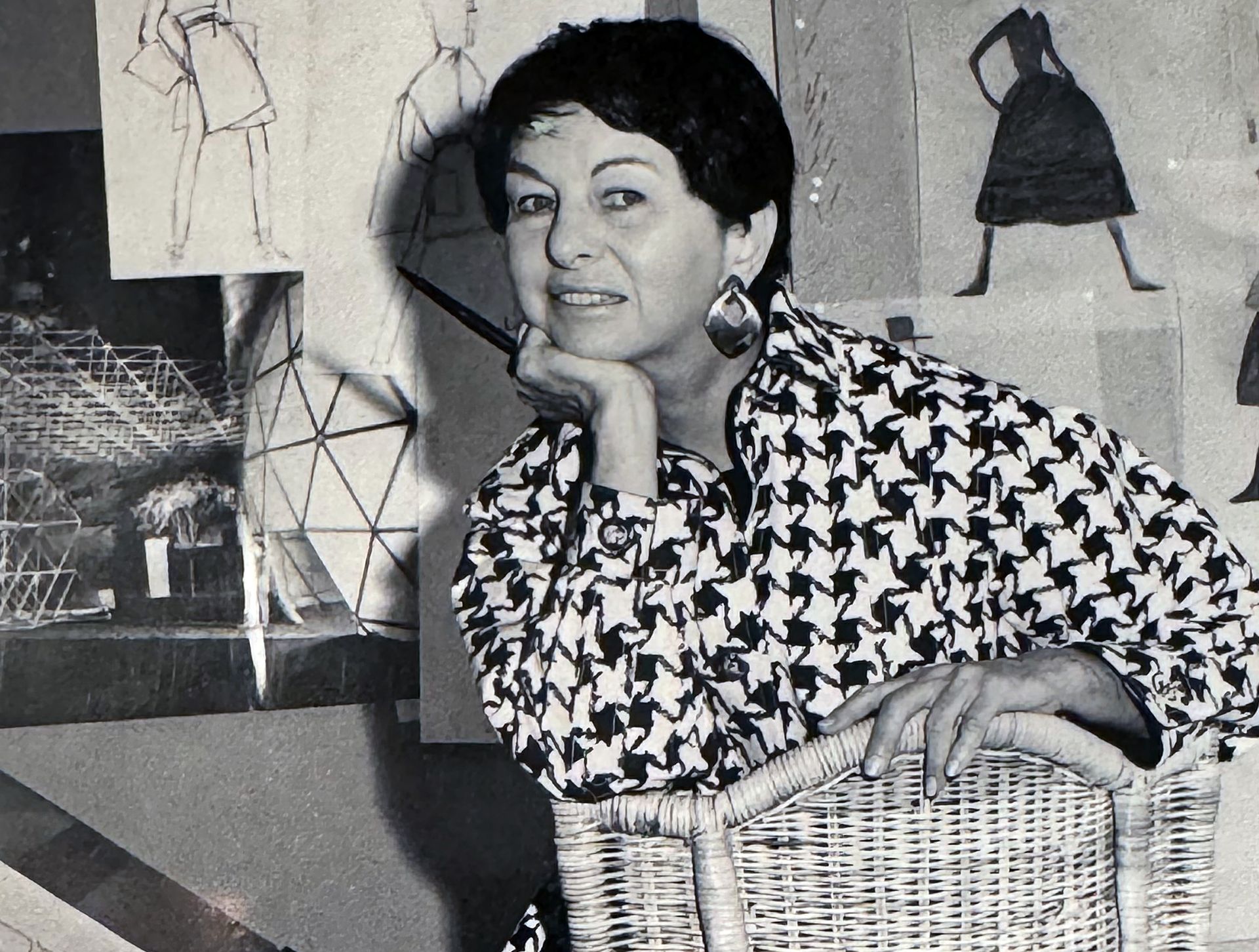
She sketched at her drafting table in home studios that she referred to as her “secret laboratories,” and she filled her residence with objects collected from trips around the world. On scraps of paper and on dedicated walls, she wrote quotes from her intellectual heroes, creating what she called her “graffiti hallway.” Her deeply personal approach produced remarkable results: The Economist once labeled the value of Cashin’s concepts and designs as second only to denim. Her disinterest in building an empire remains fascinating. It places her as a key figure at the center of today’s recognition of women shaping and reworking contemporary culture in daring ways, yet often being marginalized in the historical record.
A BONNIE CASHIN SKETCHBOOK
Flip through an eye-popping array of the designer’s delicious fashion renderings.
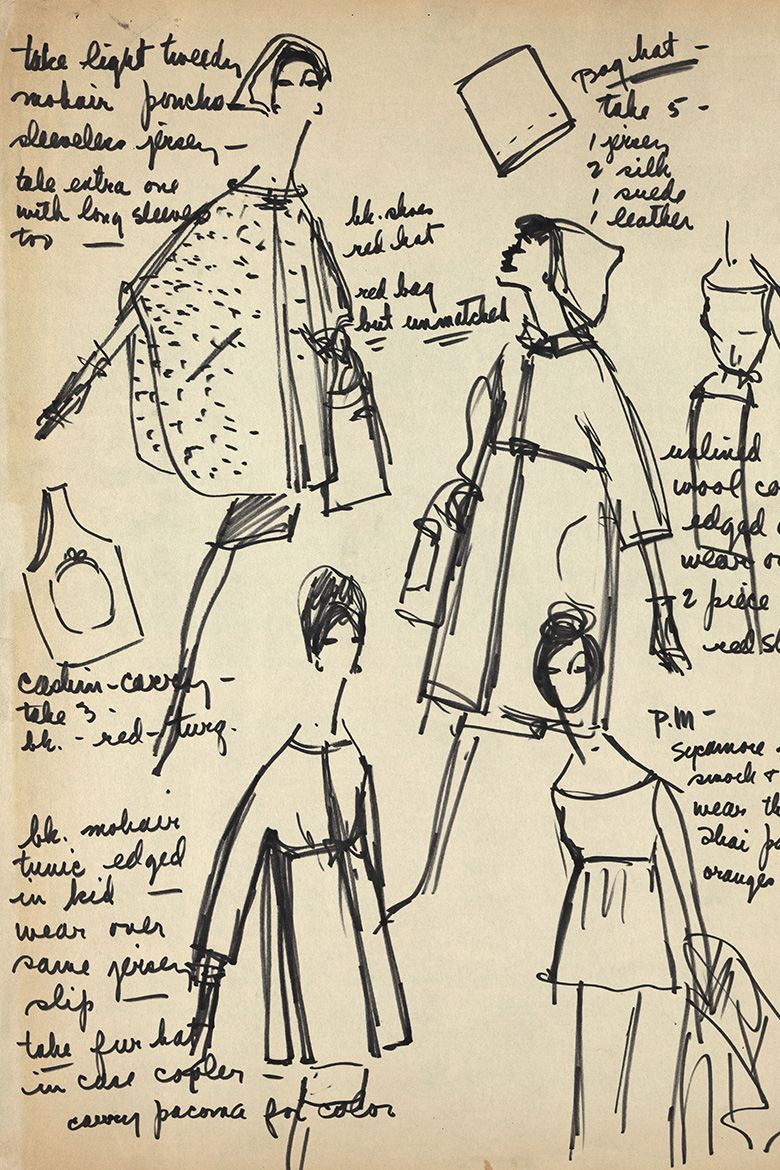
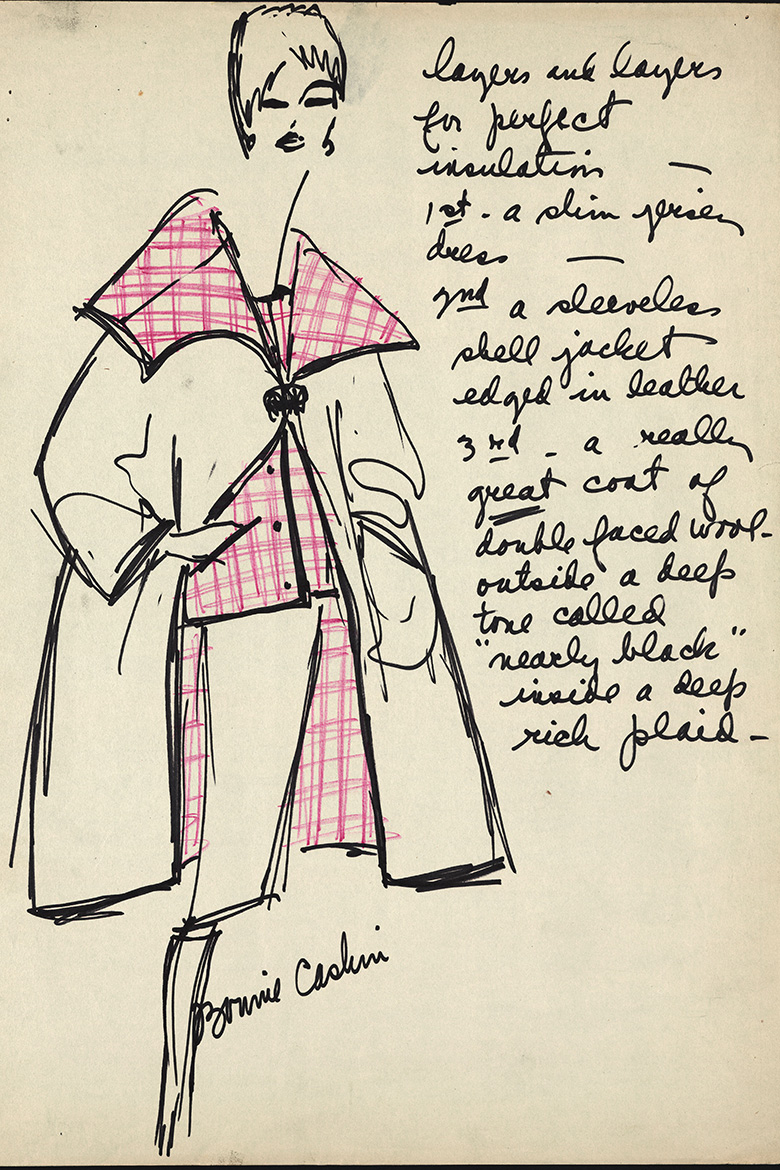
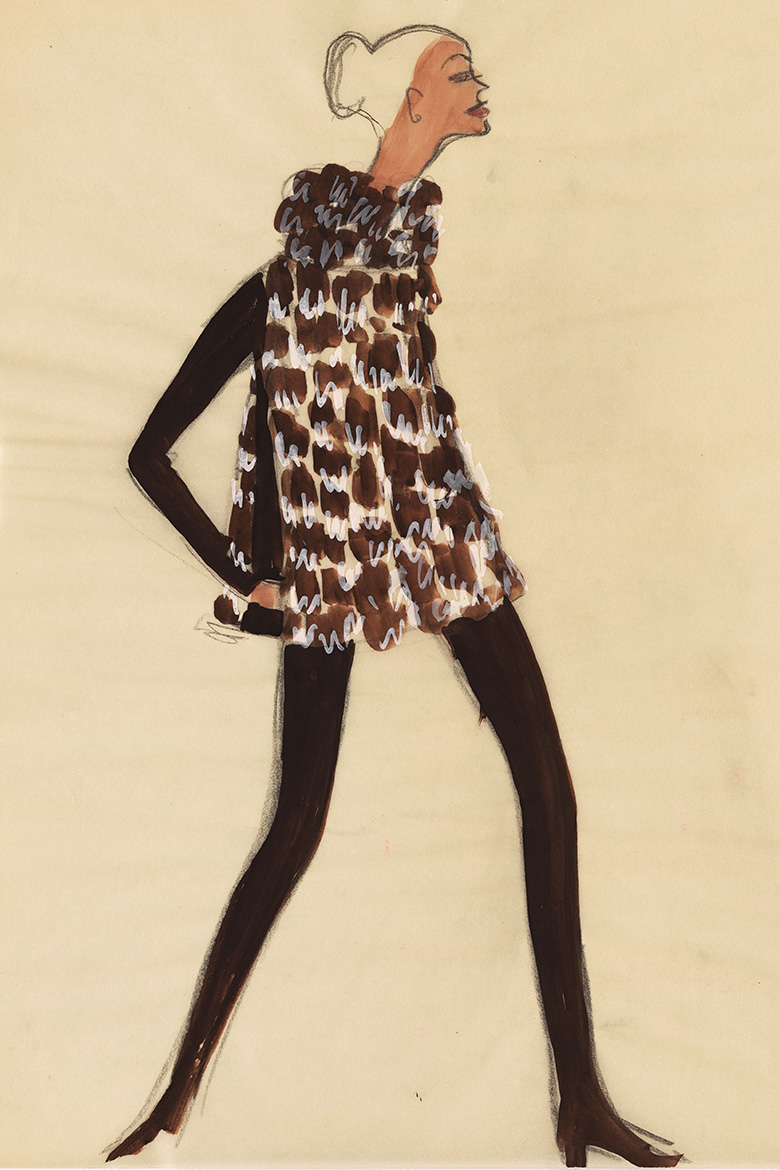
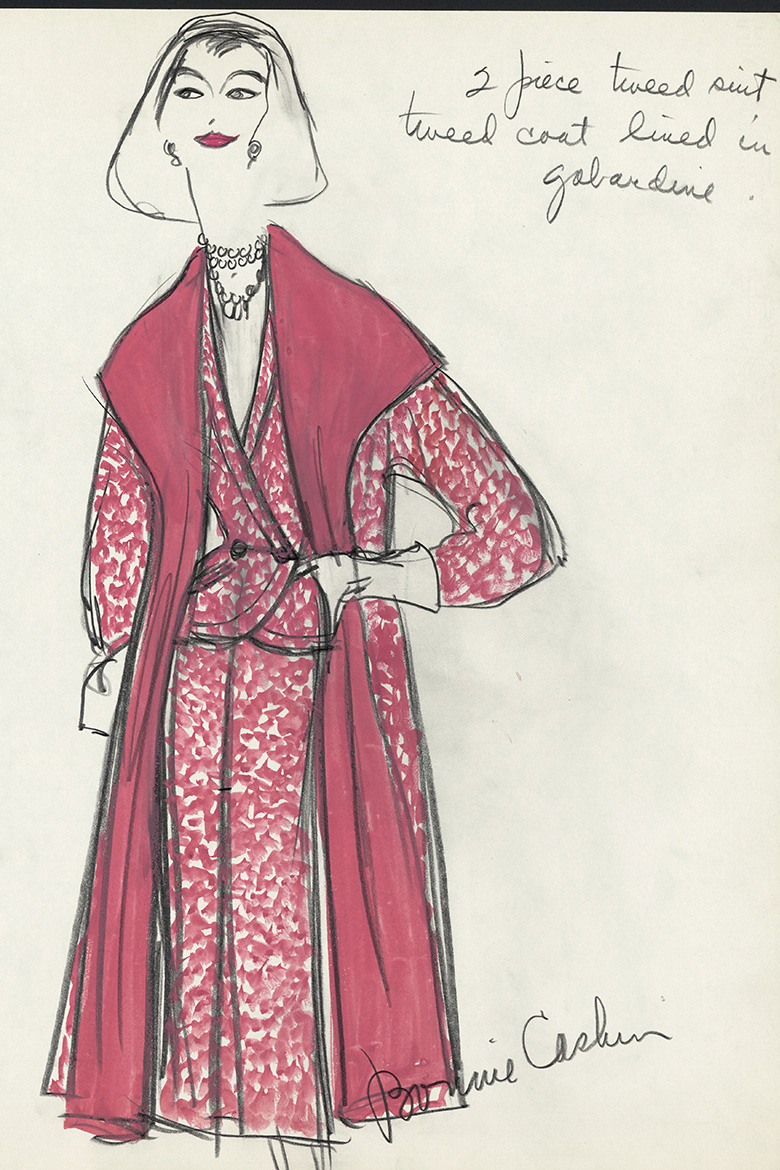
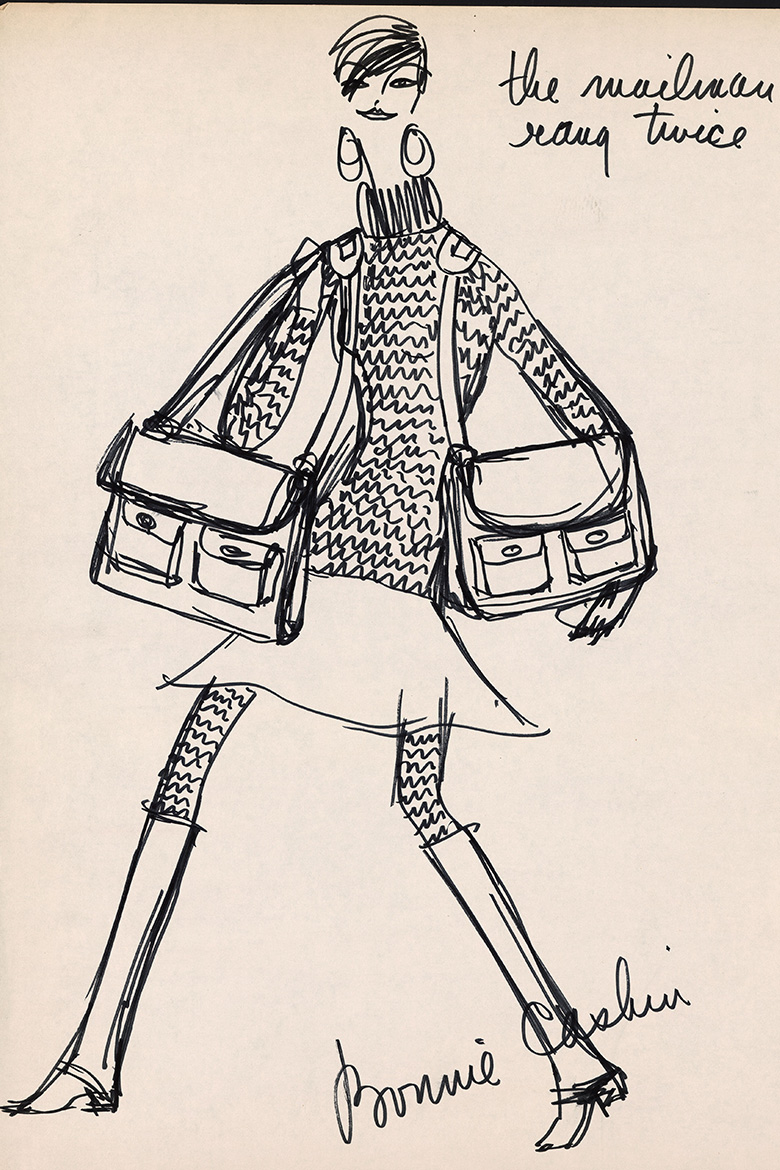
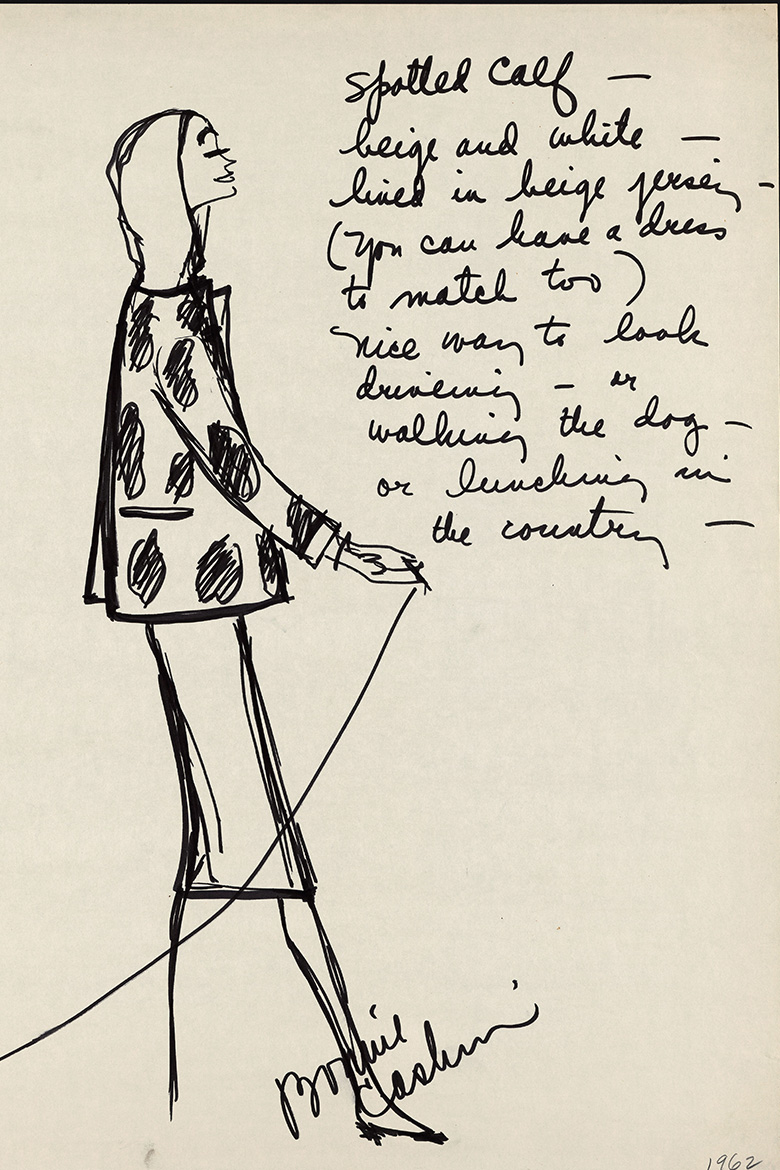
Although Cashin spent most of her life in Manhattan, she defined herself as a Californian. When she was a young girl, her Armenian family lived in several California cities, and vivid memories of immigrant communities and rugged landscapes informed her artist’s eye and lifelong “habit of wonder.” She dreamed of becoming an artist, a dancer, a writer. By the time she attended Hollywood High School, she was already costuming Tinseltown chorus girls; after graduation, she enrolled in the Chouinard Art Institute. She ultimately costumed more than 60 20th Century Fox films (including Laura and Anna and the King of Siam), referring to the studio as her “college.” It’s where she honed her sense of mobility, modernity, internationalism, color, texture, practicality, storytelling and drama.
Cashin’s deep sense of a California identity informed my decision to advise the Bonnie Cashin Foundation trustees to donate her papers to UCLA Library Special Collections. I spent three years on campus, perched at her drafting table, documenting the collection. Now it’s here, for scholars from fashion to digital humanities to study, analyze and learn from. Most of all, it stands as a lasting tribute to Bonnie — a rare gift for generations of uncommonly creative people to enjoy.
Read more from UCLA Magazine’s Fall 2025 issue.