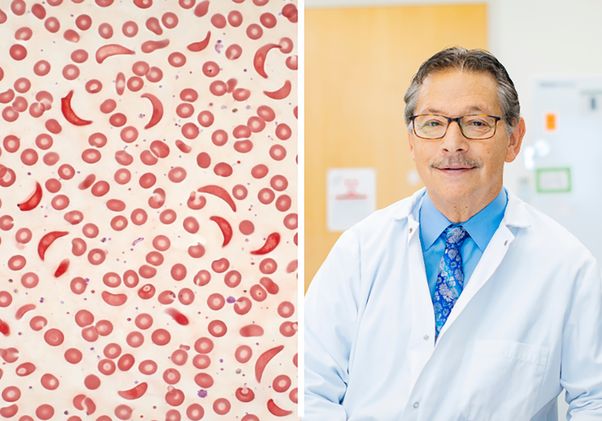
As 2025 comes to a close, economists, analysts and other experts begin to look ahead to the new year and what we can expect in 2026. With the economy faltering and the Trump administration’s attempts to exert unprecedented influence on institutions of higher education, we checked in with UCLA’s higher education historian, Eddie Cole, to see what we can expect from higher ed in the new year.
Cole’s research explores race and social movements on college campuses, systems of power, and the outsized influence of colleges and universities on American society.
Where do you think public perception of higher ed will go in 2026?
Cole: At best, the perception of higher education — as a collective — will remain the same. But it is likely to worsen, especially in an increasingly uncertain economy.
Is college education still valuable or necessary for success?
Cole: The real question is "how are Americans defining success?" The answer will tell us about the value and necessity of a college education.
With Trump changing financial aid limits, what will change for those seeking higher education? Are we already seeing changes in applications?
Cole: The change in financial aid limits, especially with this administration’s reclassification of what is a professional degree, will have long-term implications. For example, I anticipate we will see fewer nurses and fewer educational specialists — at a time when those areas are already understaffed.
What other higher ed changes and impacts do you see coming up?
Cole: The politically driven dismantling of regional accreditation agencies’ authority is one of the most consequential recent developments in higher education. A core tenet of academia is the autonomy of colleges and universities, and a basic standard for an institution to maintain accreditation is that it operates free of political interference. That interference is the new norm.
UCLA