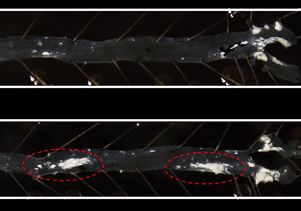
The protein, NOTCH1, was known to be a key player in the development of blood vessels in embryos, but researchers weren’t sure whether it was also critical to adults’ health.
The new technique sheds light on the materials the artist used, and the order in which they were applied to the painting. It also helped scientists uncover insights about the painting’s connections to other work from the same era.
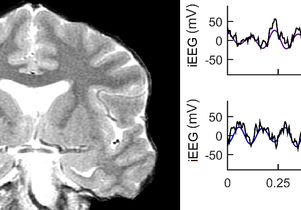
The study sheds light on the relationship of theta oscillations to human learning and exploration — and it could help inform future research on therapies for patients with memory disorders like Alzheimer’s disease.
Ten years after it was introduced, vaccination rates among U.S. adolescents remain low. Research led by Roshan Bastani will examine strategies for getting more adolescents to receive the vaccine.
Researchers say the money bail system demands tens of millions of dollars a year in cash and assets from some of the area's most economically vulnerable people and communities.
As electronic devices have become smaller, using silicon components to power them has become more challenging; a team of faculty and students has developed a promising solution.
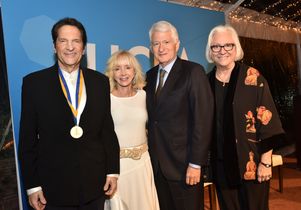
“By addressing health disparities and promoting health equity... she has raised the public profile of health care access as a true social justice issue,” said UCLA Chancellor Gene Block.
Scientists using a state-of-the-art UCLA instrument have witnessed a planetary-scale “tug-of-war” of life, deep Earth and the upper atmosphere that is expressed in atmospheric nitrogen.
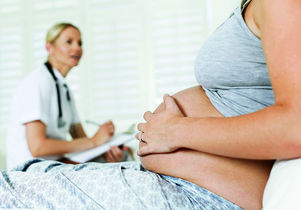
The noninvasive test yields information that allows scientists to predict and prevent complications later in pregnancy before symptoms or other exams are performed.
UCLA Luskin Center for Innovation's Southern California Plug-In Electric Vehicle Readiness Atlas provides a wealth of information to assist decision-makers in meeting consumer demand.
The findings indicate for the first time that sex chromosomes — not only sex hormones — may explain why women, who typically do not have a Y chromosome, are more susceptible to the disease than men.
Encouraging patients to help write and add notes to their personal medical charts—a task typically handled only by medical professionals—may help patients feel more involved with their own care and improve relationships with their doctors.
The finding could eventually be used to help address human diseases associated with an imbalanced regulation of mitochondria size – for example, Alzheimer’s or Parkinson’s.