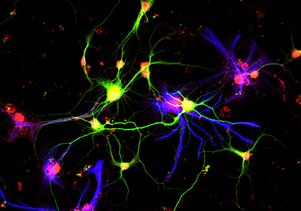
Therapy targets not cancer cells but macrophages, a special type of immune cell, in order to prevent them from helping the cancer take root in the abdomen.
Chancellor Gene Block explains that the new secondary school will complement and extend UCLA’s long-standing efforts to improve public education locally and across the nation.
Recovery has at least as much to do with rewarding oneself as it does with depriving oneself, according to a new book by a UCLA expert in addiction treatment.
The therapy shows great promise for extending the lives of people with an advanced form of the disease, and it does so without causing a secondary skin cancer, a side effect seen in some patients who took only one of the drugs.
The Ziffren Center for Media, Entertainment, Technology and Sports Law will expand UCLA Law’s highly regarded programs through curricular innovations, research support, new programming and hands-on skills training.
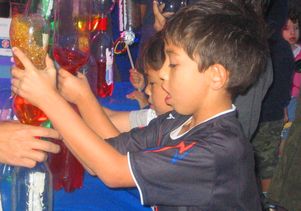
Guests can launch a rocket, take a peek at planets outside our solar system, make a cloud in a bottle and get up close and personal with dinosaur fossils and meteorites.
Dr. Thomas Klitzner, a UCLA professor of pediatric cardiology, said the findings could help identify high-risk patients so doctors can provide a higher level of support.
UCLA research reveals the three-dimensional atomic structure of a double-stranded RNA virus and the biological nano-switch that turns on transcription.
For the first time, researchers have described the cost throughout the entire treatment process — from the initial doctor’s visit to follow-up appointments.
UCLA’s Seulgi Moon and her colleagues devised a mathematical model that estimates the amount of stress bedrock is under, which will enable scientists to predict where fractures may occur.
Life scientists from UCLA and other universities in the U.S. and England argue that predatory animals helped keep the population of large herbivores in check.
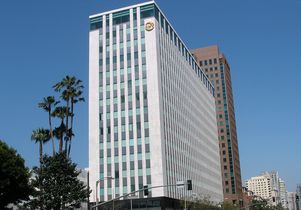
The campus has assumed a 99-year lease with the Hammer Museum, under which the museum will continue to occupy the museum building and expand into the full first five floors of the office tower.
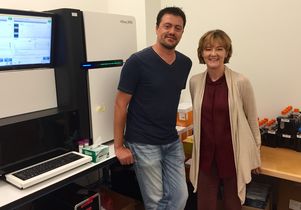
Using Broad Stem Cell Research Center’s cell isolation and genetic sequencing technologies and sophisticated bioinformatics, scientists identify elusive LncRNA genes.