The analysis by the Luskin Center for Innovation helps the state deliver on its legal recognition that safe, clean, affordable and accessible water is a human right.
Researchers will study the DNA of endangered and threatened animals and plants to help preserve species and learn which are most vulnerable to climate change.
At a Zócalo/UCLA Downtown event, experts discussed how much sea level rise we can expect, how we balance public and private concerns, and how we can reduce additional risk.
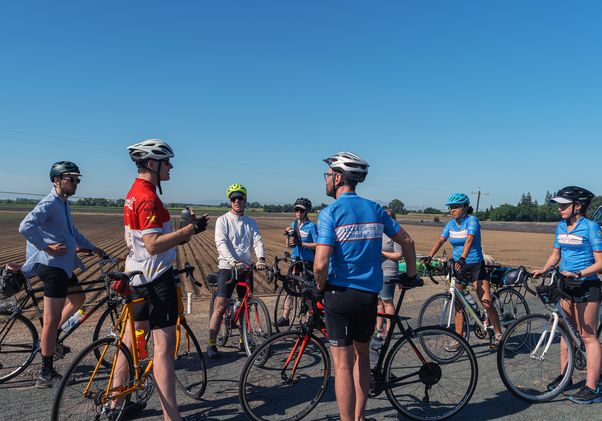
The California Climate Expedition — led by climate scientist Alex Hall — grants riders the chance to experience climate change impacts from Oakland to Los Angeles.
The trend places additional stress on wildlife ecosystems and resources that the approximately 24 million people living in Southern California need to survive.
The report predicts weaker housing markets into 2020 in California. One bright spot in the outlook is investment in intellectual property, which consists largely of software development; film and TV production; and corporate research and development.
The paper recommends nearly a dozen policy strategies aimed at ensuring adequate staffing and training to serve the growing number of elderly people in the state.
A report by UCLA and UC Berkeley experts suggests policies that could help California protect the progress the state made under the Affordable Care Act in expanding health coverage.
Without changes being made by 2040, the report found, certain locales would be guaranteed to experience power failures at the hottest times of the year.
The Laboratory for Environmental Narrative Strategies was founded in 2016 to support the creation of media about environmental issues for non-English speakers and people from different cultural backgrounds.
The continuing low proportion of uninsured state residents illustrates the continued success of the Affordable Care Act, according to a UCLA policy brief.