A version of the technology, set up on the roof of a home, could provide enough power overnight to charge a cell phone or to light a room with LED bulbs.
In tests, perovskite-based cells made with the same chemical found in coffee maintained their power conversion efficiency for several weeks longer than those without it.
Without changes being made by 2040, the report found, certain locales would be guaranteed to experience power failures at the hottest times of the year.
In tests at the U.S. Department of Energy’s National Renewable Energy Laboratory, the device converted 22.4 percent of the incoming energy from the sun, a record for that type of cell.
The Synthetic Control Across Length-scales for Advancing Rechargeables center will help accelerate research on new types of chemistry and materials that can help improve batteries’ capacity, stability and safety.
In experiments the device produced 30 percent better capacitance — the measure of a device’s ability to store an electric charge — for its mass compared to the best available electrode made from similar materials.
Those who complete the program will be prepared to fill a critical void in the workforce: helping growing urban centers thrive under the pressure of global climate change.
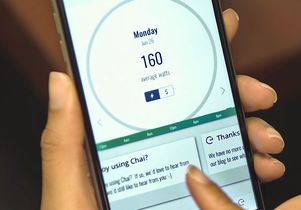
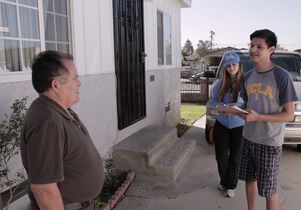
Chai Energy and UCLA Luskin Center for Innovation are conducting a pilot study that could help consumers monitor their electricity usage and avoid peak pricing.
New state and local policies promoting energy use transparency, public transit funding and sustainable development make researchers are optimistic for improvement.
UCLA study shows that certified green buildings save 319 million pounds of carbon emissions in Los Angeles per year. Unfortunately, smaller buildings are left behind.
Michael Ross, professor of political science at UCLA, spent the past four years studying fossil fuel policies across 157 countries. The analysis was published in Nature Energy.