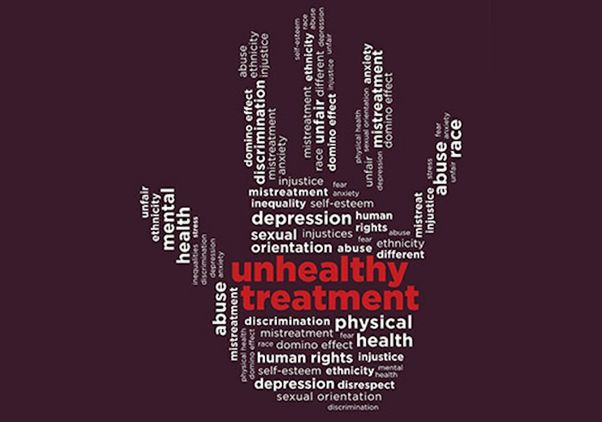
People who become targets of discrimination can suffer effects ranging from low self-esteem to a higher risk for developing stress-related disorders such as anxiety and depression.
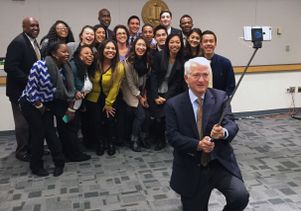
Chancellor Gene Block and students meet with congressional leaders, White House officials and executives from cultural and advocacy groups to talk candidly about race, diversity and immigration.
This comprehensive survey opens in February and includes nearly 2,000 works, the inspiration for which Montoya drew from the field workers, farm towns, and port cities of post-World War II California.
History professor Nile Green writes about a group of young Iranian students and their amazing experiences of shared learning and fellowship with their hosts in early 1800s London.
UCLA African American studies professor Melvin Rogers writes that it’s a deeply sad reflection of society if luck is a requirement for African Americans to be successful in America.
As part of an international competition, they created the “Safe Spot” campaign to undermine the recruiting tactics of the Islamic State group by using the Internet to foster ideals of acceptance, safety and community.
Law professor Cheryl Harris writes that as constitutional standards evolve, the assumption that a neutral rule permitting racist and anti-racist speech is fair could not be further from the truth.
UCLA professor Teresa McCarty has done extensive work with Native-American communities on language education policy and youth language and literacy learning.
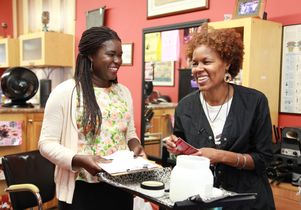
A Ph.D. student in the UCLA Fielding School of Public Health, Teni Adewumi is helping to raise awareness of the potential adverse health effects of certain products used at beauty salons.
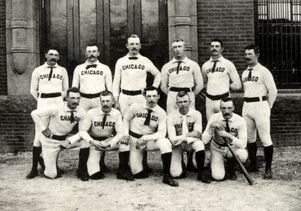
Waugh, an authority on American history and lifelong baseball fan, explains how baseball has (and hasn’t) changed, why it became the national pastime and how she teaches the sport’s history.
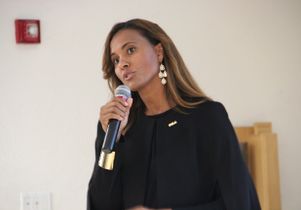
Christine Simmons, chief operating officer of the Los Angeles Sparks basketball team, welcomed new African-American students to UCLA at the 10th annual Black Convocation and urged them to tap into opportunities afforded by their enrollment and serve interests beyond their own.
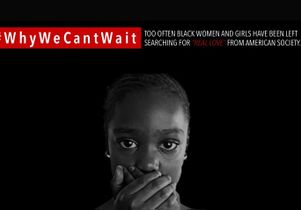
Law professor Kimberlé Crenshaw writes in the Washington Post about how intersectionality brings to light the invisibility of many constituents within groups that claim them as members, but often fail to represent them.
Los Angeles-area Korean Americans who heard presentations in their churches were more likely to get tested, according to researchers at the UCLA Jonsson Comprehensive Cancer Center.
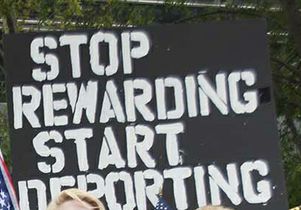
Professor Carola Suárez-Orozco and Dean Marcelo Suárez-Orozco write in an op-ed about how Donald Trump-style immigration rhetoric hurts immigrant children and the children of immigrants.
Professor Melvin Rogers writes in the Atlantic that Ta-Nehisi Coates’ bestselling new book about racism and African American identity fails to recognize the importance of hope.
On the 50th anniversary of the Watts riots, historian Robin D.G. Kelley writes in the L.A. Times that the era gave birth to social justice and arts organizations that remade the community and whose legacy continues today.
History professor Brenda Stevenson writes that 150 years after emancipation in the United States, there are still 20 to 30 million people enslaved around the world.
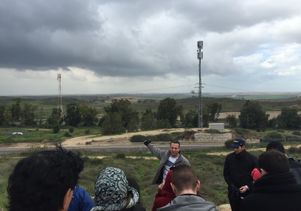
Ten UCLA students will be headed for talks with staff at the State Department, White House and United Nations and other Middle East experts before heading for ground zero of the Palestinian-Israeli conflict.
Dismissing unrest in America’s cities as aimless violence overlooks the roots of people’s anger, according to the panelists at a UCLA-Zócalo event examining the history of urban resistance.
Fernando Torres-Gil writes that Americans can learn a lot from how two of the country’s fastest growing populations are learning how to embrace change.