Psychologist Phillip Atiba Goff and his team at the UCLA Center for Policing Equity have launched the Justice Database to measure disparities in policing and provide data that have never been collected before.
The UndocuBruins Research Program is the first to serve and guide undocumented students at UCLA and encourages the exploration of topics and populations that are rarely examined.
UCLA study shows that by 2040 there will be an additional 6 million-plus registered Asian American voters in the United States — an increase of more than 100 percent — and explores what this means for future elections.
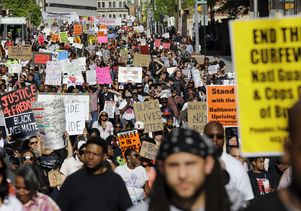
History professor Robin D.G. Kelley writes that claiming rioters are sabotaging “legitimate” efforts to bring about racial and social justice mistakenly presupposes that “legitimate” efforts have been working.
On Tuesday, April 28, the campus community, together with 2,000 K-12 students, will gather for events to commemorate the day 50 years ago when Dr. Martin Luther King Jr. visited UCLA and addressed nearly 5,000.
To reach a vulnerable population largely unaware of the health risks, a team from the Fielding School of Public Health held small group discussions in more than 50 Los Angeles-area Korean churches.
A few days after host Neil Patrick Harris joked the Oscars honored “Hollywood’s best and whitest,” entertainment insiders addressed the lack of diversity in the industry.
UCLA analysis of movies and TV shows in 2012 and 2013 reveals that race and gender representation in Hollywood is out of step with the rest of America, its authors say.
Allyson Nadia Field writes about how 100 years ago the racist film inspired black filmmakers to respond and that the film still resonates because the country still grapples with achieving racial justice.
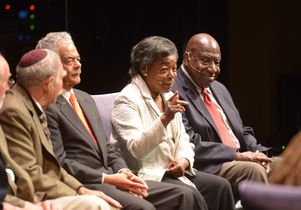
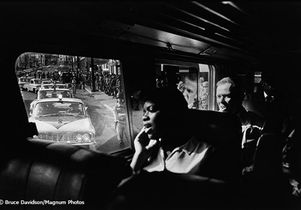
More than 800 people gathered in Royce Hall to applaud the courage of 16 civil rights activists — all UCLA alumni — who challenged segregation in the South in 1961 as Freedom Riders.
Girls of color are disproportionately impacted by school discipline policies and excluded from current efforts to address the school-to-prison pipeline, according to a new report co-authored by two UCLA law professors.
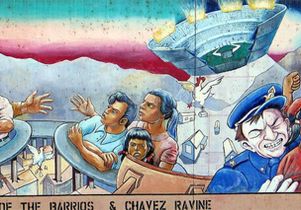
A new book by UCLA urban historian Eric Avila gives voice to the opponents of highway construction in the 1950s, ’60s and ’70s and, in particular, in communities of color.
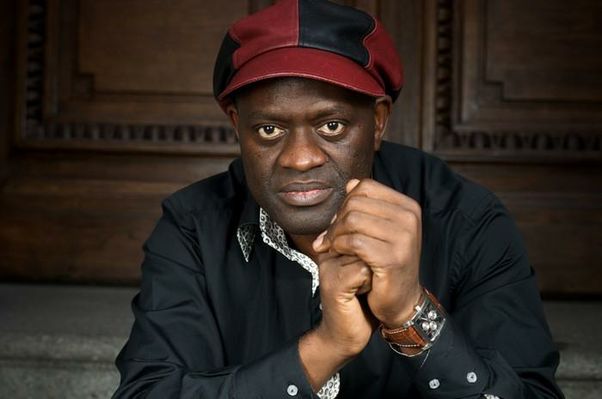
“Letter to Jimmy,” Alain Mabanckou’s much-lauded book, is a fitting tribute to the pivotal American essayist, activist and playwright, author of the novel, “Go Tell It on the Mountain” and a collection of essays, “Notes of a Native Son,” among other major works.
UCLA will honor alumni who joined a mass protest in 1961 and became Freedom Riders to protest segregation encountered by African Americans when they traveled between states on buses, trains and used public facilities.
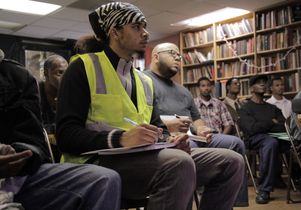
The Ready to Work program, run by the Los Angeles Black Worker Center, a project of the UCLA Labor Center, helps blacks in L.A. qualify for union apprenticeships in the trades.
A lost recording of a 50-year-old speech delivered at UCLA by the late civil rights leader Martin Luther King Jr. has been unearthed in a storage room and put online.
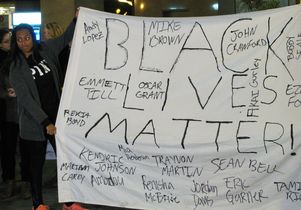
Professor Alain Mabanckou writes that the recent police killings of Michael Brown and Eric Garner show that much work remains to create an America worthy of the vision of African American artists and leaders of generations ago.
Olga Kagan says that offering language classes tailored for heritage speakers, who speak a language other than English at home but may not be able to read it, would have significant advantages for society.
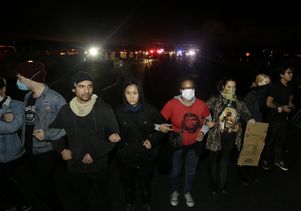
Eric Avila says it’s fitting that recent protests against police killing unarmed African American men disrupted traffic on freeways, which have a legacy of devastation to urban African American communities.