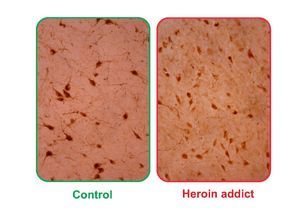
Two discoveries — one in the brains of people with heroin addiction and the other in the brains of sleepy mice — shed light on chemical messengers that regulate sleep and addiction, UCLA researchers say.
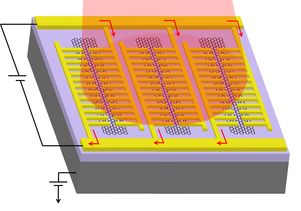
The device, designed by UCLA Engineering researchers, operates across a broad range of light, processes images more quickly and is more sensitive to low levels of light than current models.
Rachelle Crosbie-Watson is researching new drugs that one day may halt the progression of the deadly childhood muscle-wasting disease, Duchenne muscular dystrophy.
The availability of such cells — with properties similar to those from humans and other animals — should help scientists accelerate research on therapies for cancer and autoimmune diseases.
Eight specialties placed in the top 50 nationally: nephrology, orthopaedics, neurology/neurosurgery, gastroenterology, cancer, urology, cardiology and neonatology.
Through a partnership, South African doctors shadow UCLA physicians in Los Angeles and then return to their home country to put into practice what they’ve learned.
Elizabeth DeLoughrey has the University of California President’s Faculty Research Fellowship and a Rachel Carson Center for Environment and Society Fellowship.
The funds will support pediatrics faculty who are focused on enhancing quality of life for people with cerebral palsy, autism, and other developmental and behavioral challenges.
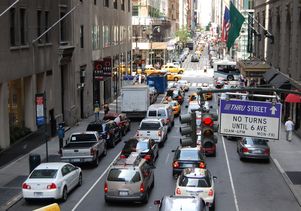
Donald Shoup: If New York City charged $5.50 a day in just half its available spaces, the total revenue would amount to $3 billion a year available for services.
UCLA Blueprint: Professor Mark A. Peterson considers the Affordable Care Act the most important advance in health protection since the creation of Medicare and Medicaid.