The research, the first of its kind, also suggested that two new tests could help diagnose the condition, called autoimmune pulmonary alveolar proteinosis.
The findings may eventually lead to researchers discovering a new way to control the proteins found at synapses and, in turn, treat diseases characterized by synaptic dysfunction.
The results could have implications for treating cancer, when people’s blood-forming stem cells may be depleted, and for people undergoing transplant surgery.
Studies sometimes erroneously target biological or cultural characteristics of minorities as the root cause of the disease, but miss the true cause, explains UCLA professor Chandra Ford.
The precision-based medicine approach will allow people with newly diagnosed leukemia to have immediate access to new treatments that are in development.
The research showed that a single session of hookah smoking increased heart rate and blood pressure; and significantly increased measures of arterial stiffness, a key risk factor in heart attack or stroke.
A new mindfulness workshop called Tree of Life Fulfillment offered at the Simms/Mann-UCLA Center for Integrative Oncology combines art therapy with guided imagery.
Clinical psychologist Lekeisha A. Sumner points out the special considerations those offering support should keep in mind for this different type of grief.
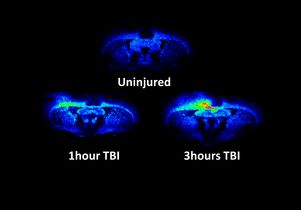
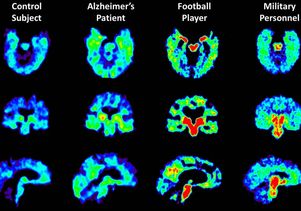
UCLA researchers studied FDDNP, a molecular tracer that binds with proteins called tau and amyloid, and which indicates the location and extent of abnormal proteins in the brain.