If the same change were made by all of the U.S., it would account for one-third of the greenhouse gas reduction prescribed in the 2013 President’s Climate Action Plan.
The findings will both help identify women who are at highest risk of developing ovarian cancer and pave the way for identifying new therapies that can target these specific genes.
Research Brief: Nearly 1 million people in the U.S. have MS, and treatments that can reverse the course of disease, rather than temporarily ease symptoms, are needed.
The brain cells, called astrocytes, previously thought to provide mainly nourishment and housekeeping functions for neurons, may help regulate the disorders, a UCLA study suggests.
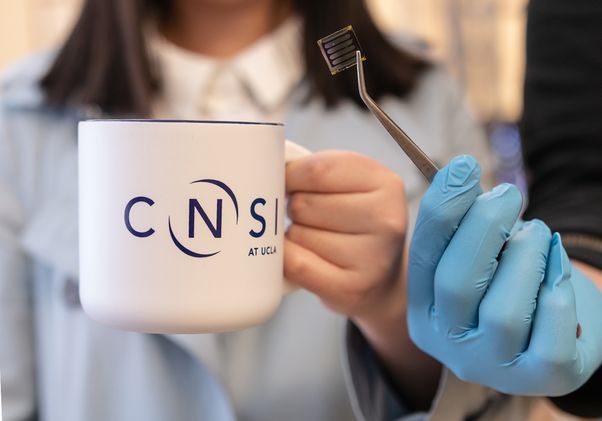
In tests, perovskite-based cells made with the same chemical found in coffee maintained their power conversion efficiency for several weeks longer than those without it.
Archaeologist Jo Anne Van Tilburg, who will be on “60 Minutes” April 21, continues to seek insight from the statues and for the living descendants of their makers.
UCLA researchers and colleagues have designed a first-of-its-kind nanogenerator that can work in remote areas because it provides its own power and does not need batteries. It also acts as a weather station.
Ziva Cooper, of the UCLA Cannabis Research Institute, will direct interdisciplinary teams of scholars with specialties in medicine, public health, policy, science and law.
The engineers and mathematicians have designed a unique and effective system that could be used to produce clean, fresh water, or to recycle industrial water that would otherwise be wasted.
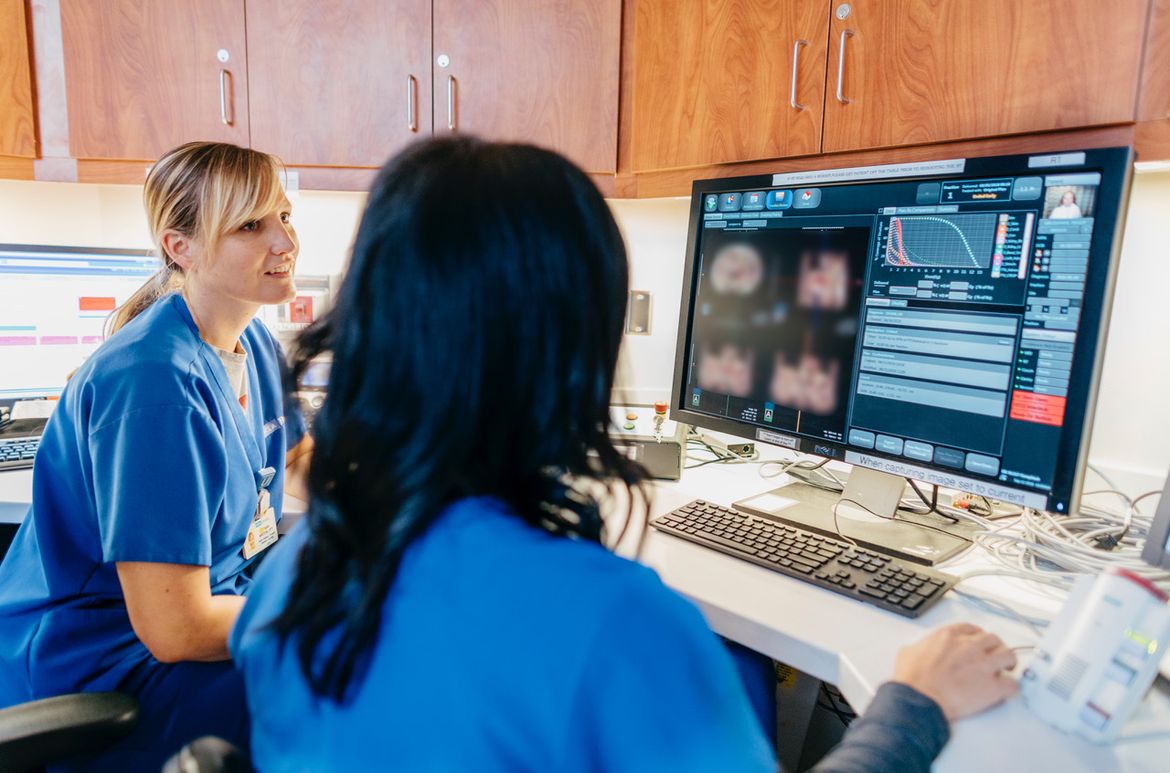
“As our treatments become more technical and expensive, it is our responsibility to prove that these treatments lead to benefits that warrant the increased cost,” said UCLA’s Dr. Ann Raldow, the study's first author.
UCLA Extension’s Ochan Otim grew up in Uganda, which since its two-decade civil war has seen many people driven to drinking to alleviate their suffering.
The trend places additional stress on wildlife ecosystems and resources that the approximately 24 million people living in Southern California need to survive.
City and neighborhood planners should be aware that greater numbers of trees and more park space can support the health of teens and seniors in their communities.