UCLA scientists used leading-edge genomics to identify and eliminate the virus’ defense mechanisms, enabling them to develop a vaccine “candidate” that is safe and effective in animals.
UCLA professor of social welfare co-authored new report showing that more than half of people succeed in discontinuing usage of psychiatric medications.
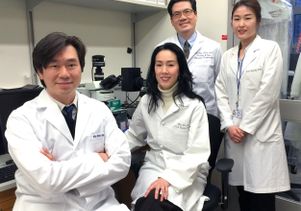
A team of UCLA scientists is testing an experimental drug that could one day result in a treatment for osteoporosis, which affects more than 200 million people worldwide.
Test developed by UCLA researchers would help physicians determine which people may be more treatable with an antibiotic that has not been recommended since 2007.
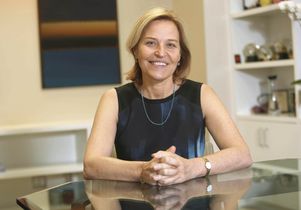
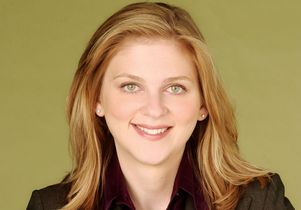
Dr. Kelsey Martin, who recently was elected to the National Academy of Medicine, is the first woman dean of UCLA’s medical school, and she is among only a handful of women leading a medical school in the United States.
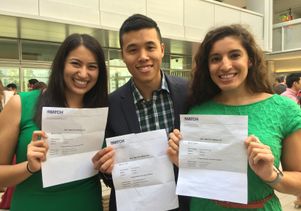
This year, St. Patrick's Day coincided with Match Day, the day when 40,000 aspiring doctors nationwide find out simultaneously which hospitals have accepted them for 30,000 residency slots across the United States.
Dr. David Talan is on a research team that's studying whether treating appendicitis solely with antibiotics can be a safe, effective and less expensive alternative to surgery.
UCLA School of Nursing researchers found that people with a certain genetic variation who took donepezil for the condition had a faster cognitive decline than those who took a placebo.
A UCLA-led research team has identified a drug and dose regimen that may cut the time by as much as 75 percent, while simultaneously reducing the risk that patients could develop drug-resistant TB.
Researchers from the schools of dentistry, medicine and engineering developed a digital health platform capable of optimizing efficacy and safety during chemotherapy.
The development of DZ-2384 by UCLA chemists led to an international research collaboration which found that the molecule appears to help fight several types of cancer.
UCLA researchers note that the next decade shows great promise for things like improving food safety, fighting infections, storing energy and supplying clean energy.
Distinguished professor of public health Jonathan Fielding says commonsense fixes to Medicare and FDA drug approval can lower the cost of lifesaving drugs.