Hospital emergency rooms treat more than 170,000 children each year for sports-related traumatic brain injuries. What do parents and coaches need to know to protect their kids and players?
The Semel Institute for Neuroscience and Human Behavior is one of a handful of hospitals and clinics nationwide that offer a treatment that works in a fundamentally different way than drugs.
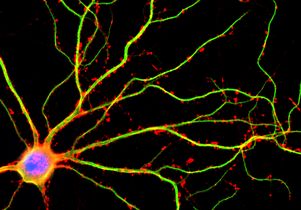
The findings by UCLA researchers could help scientists replicate or control the way axons grow, which could be applicable for diseases that affect the nervous system.
Paradoxically, the strong relationship between stress level and the tendency to forget course material was most prevalent among students who are most confident in their own mathematical abilities.
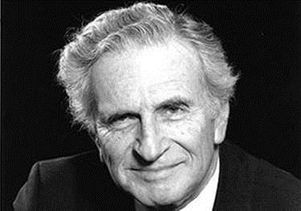
Arnold “Arne” Scheibel, a renowned neuroanatomist whose passion for teaching and for understanding the workings of the human brain inspired generations of students and helped shape the neuroscience community at UCLA, died Monday, April 3, in Oakland.
Justin Cho was experiencing a rare form of epileptic seizures caused by a lesion in his brain; UCLA Mattel Children’s Hospital used a new minimally invasive approach to stop them.
The researchers identified genes that they believe control hundreds of other genes linked to Alzheimer’s disease, Parkinson’s disease, depression and several other disorders.
UCLA School of Nursing researchers found that people with a certain genetic variation who took donepezil for the condition had a faster cognitive decline than those who took a placebo.
The researchers will identify biomarkers associated with the development of epilepsy and develop therapies designed to prevent or modify the condition.
After 10 weeks, children who had received a UCLA-developed intervention for autism were spending more time interacting with others rather than playing independently.
The findings could help improve upon standard behavioral therapy, in which people are exposed to the objects they’re afraid of — which can be frightening enough that some cannot complete treatment.
The approach being tested at UCLA is designed to boost patients’ abilities to move their own hands; it’s unique because the device is implanted in the spine instead of the brain.
UCLA scientists have already established national and international collaborations, begun a series of studies and implemented a program that screens and treats students for depression.
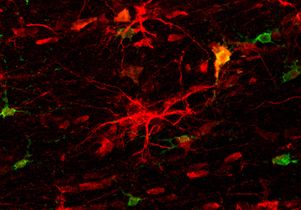
Neuroscientists at UCLA have developed a new technique for studying a particular type of cell in the brain known as an astrocyte that may play a role in diseases such as Lou Gehrig’s disease and Alzheimer's disease.
A new component of the successful Optimists brand campaign, the conversations will focus on newsworthy and culturally significant topics, including sports concussions, gratitude and mentorship.