Using Broad Stem Cell Research Center’s cell isolation and genetic sequencing technologies and sophisticated bioinformatics, scientists identify elusive LncRNA genes.
Researchers say this research gives important insight into the cellular nature of aggressive prostate cancer, which will aid in the development of better treatments.
The sports network told the story of how Andrew Goldstein’s courageous story of coming out as gay to his college lacrosse teammates many years ago led to a friendship with a boy who contemplated suicide after coming out.
The award from the California Institute for Regenerative Medicine will fund a phase I/II clinical trial that will enroll 10 patients with an immunodeficiency disorder at three different U.S. locations.
The findings strongly suggest that stem cell-based gene therapy with a chimeric antigen receptor may be an effective treatment for chronic HIV infection in humans.
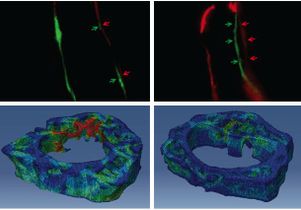
Results could one day have an impact on the development of a treatment for osteoporosis as well as potentially help those with traumatic bone injuries.
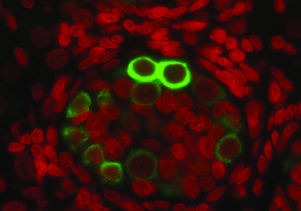
Research by scientists at the Broad Stem Cell Research Center shows that the cells carrying parents’ genes to a child are unprotected during part of the prenatal stage of development.
Scientists from UCLA, Harvard, Mass General and Stanford present strong evidence that a chemical modification on RNA plays a key role in determining embryonic stem cells’ ability to adopt different cellular identities.
UCLA scientists say this could lead to a better understanding of stem cell signaling and the immune system response, paving the way for new and more effective therapies.
Eighteen children with SCID have been cured of the disease after receiving the therapy in clinical trials at UCLA and the National Institutes of Health.
The joint effort will accelerate the implementation of clinical trials and delivery of stem cell therapies by providing state-of-the-art infrastructure to support clinical research.
The findings could eventually lead to radiation and chemotherapy treatments that are more effective for people with cancer and other blood-related diseases.
The $2.3 million National Institutes of Health awards go to scientists from the Eli and Edythe Broad Center of Regenerative Medicine and Stem Cell Research at UCLA for work in stem cells and neuroscience in medicine.
UCLA researchers demonstrated that, in pregnant mice, inflammation can trigger an excessive division of neural stem cells that can cause “overgrowth” in the offspring’s brain.
Dr. Denis Evseenko’s bold vision of translational science is already blazing new trails in research of regenerative stem cells and their relationship to cancer at the Jonsson Comprehensive Cancer Center and the Broad Center for Stem Cell Research at UCLA.