The research “may reassure some people that despite testing positive on screening tests, their chances of developing Alzheimer’s disease dementia is low,” said UCLA’s Ron Brookmeyer.
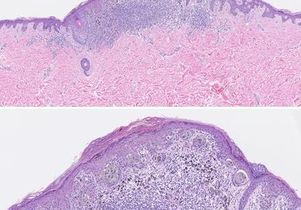
In a prior study, the same researchers showed that pathologists disagreed about the diagnosis of early-stage invasive melanoma more than 50 percent of the time.
Women infected by the virus during pregnancy were 10 times more likely than the general population to give birth to babies with major cardiac problems, researchers found.
An increase in the number and severity of heat waves over the coming years would pose a particular challenge for the species because small-bodied birds dehydrate more quickly.
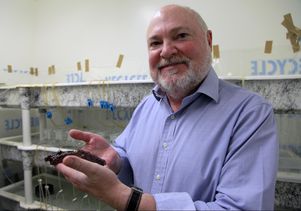
The research in marine snails could lead to new treatments to restore memories and alter traumatic ones in people with Alzheimer's disease and those dealing with post-traumatic stress disorder.
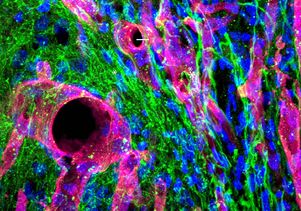
“Tissues are wonderfully complex structures, so to engineer artificial versions of them that function properly, we have to recreate their complexity,” said UCLA professor Ali Khademhosseini.
The award from the Patient-Centered Outcomes Research Institute will be used to compare care delivered through a health system with care that occurs in a community-based setting.
Researchers led by UCLA’s Dr. Paul Krebsbach are the first to characterize the mechanism of the gene, and they found it regulates the molecular process that dictates cell growth and human development.
“The center will provide CNSI with the cutting-edge technology to help us maintain our leadership in biophotonics research,” said UCLA’s Laurent Bentolila.
The discovery explains the mechanisms behind the protective effects of lipid emulsion therapy and could improve treatments for people with heart disease.
The team used molecular engineering to develop vaccines that use a common delivery method, or “single vector,” to carry protective antigens to the immune system.
Study provides evidence that a type of RNA in saliva may be able to regulate the growth of oral bacteria responsible for diseases, such as periodontitis and meningitis.
UCLA research provides critical knowledge for medicinal chemists to begin designing new drugs based on cambinol that are more potent than the molecule itself.