In recent years, investigators from eight UC campuses, including UCLA, have conducted more than 330 research projects in brain injury and traumatic brain injury.
UCLA researchers found that the tiny particles can strengthen gutta percha, the material used to fill the root canal, and even deliver drugs to fight infection.
The short conversations, educational literature and follow-up phone calls that are part of Project QUIT helped people reduce their risky drug use by a third.
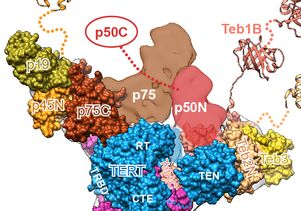
“There is so much potential for treating disease if we understand deeply how telomerase works,” said UCLA professor Juli Feigon, a senior author of the study.
A Ph.D. student in the UCLA Fielding School of Public Health, Teni Adewumi is helping to raise awareness of the potential adverse health effects of certain products used at beauty salons.
Among young people with high-functioning autism, the areas of the brain linked to social behaviors are less developed and less-sufficiently networked than they are in those without autism.
Researchers say this research gives important insight into the cellular nature of aggressive prostate cancer, which will aid in the development of better treatments.
The creation of China’s first long-distance, web-based smoking cessation program, encouraged more nurses to get involved with helping patients quit smoking.
Los Angeles-area Korean Americans who heard presentations in their churches were more likely to get tested, according to researchers at the UCLA Jonsson Comprehensive Cancer Center.
A new global health minor explores the institutional, economic, logistic, legal and social challenges of global health, using a multidisciplinary lens to consider health in a global context.
UCLA researchers recommend promoting on-site availability of dental services in community health centers to encourage co-location of dental and primary care medical services.
UCLA students moving in to residence halls before classes start will not only find a newly renovated Saxon Residential Suites, but a new fitness center and commons building as well.
A new UCLA program offers hope and potential answers for people who have undergone extensive medical testing but still don’t know what is causing their symptoms.