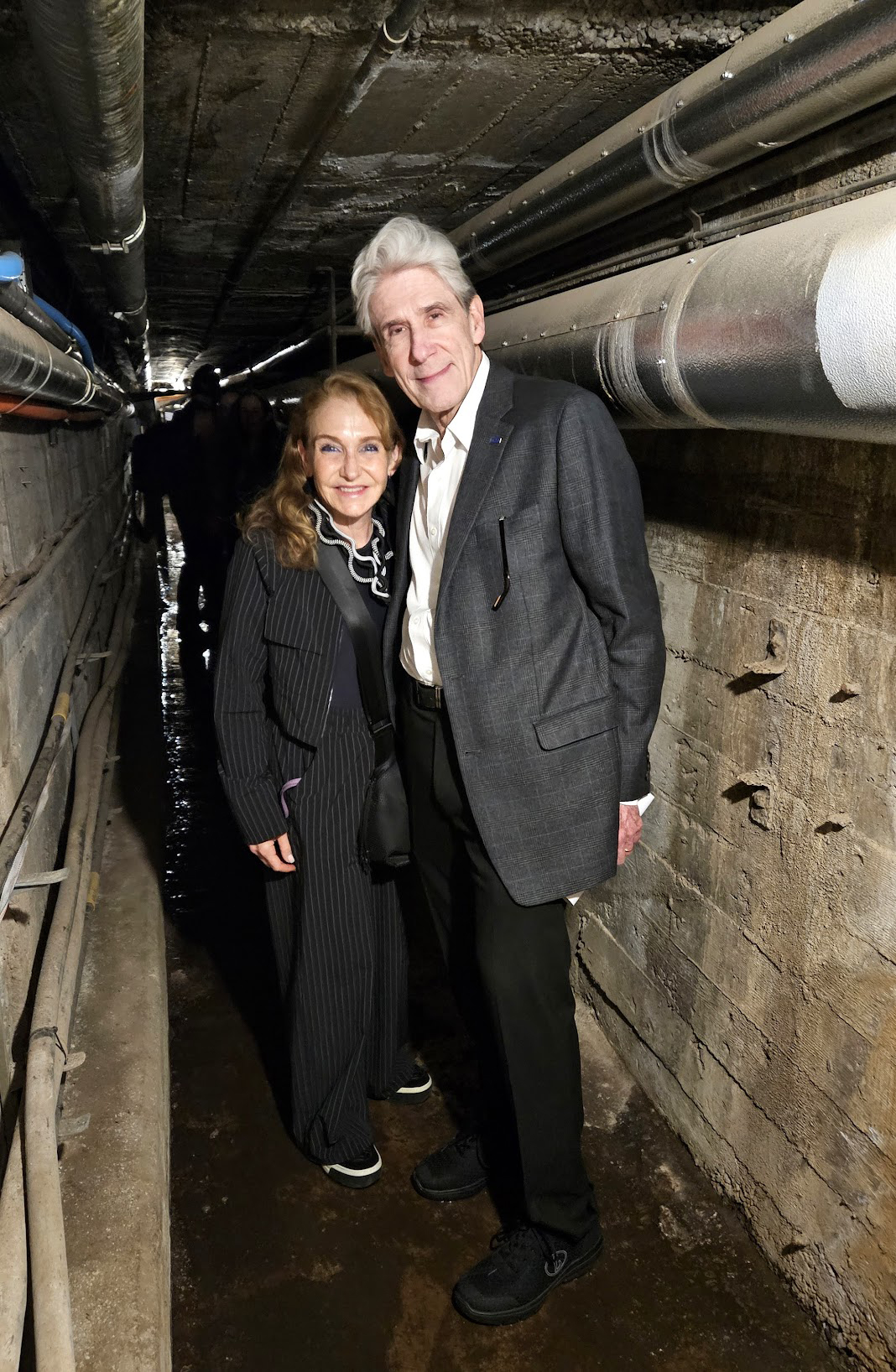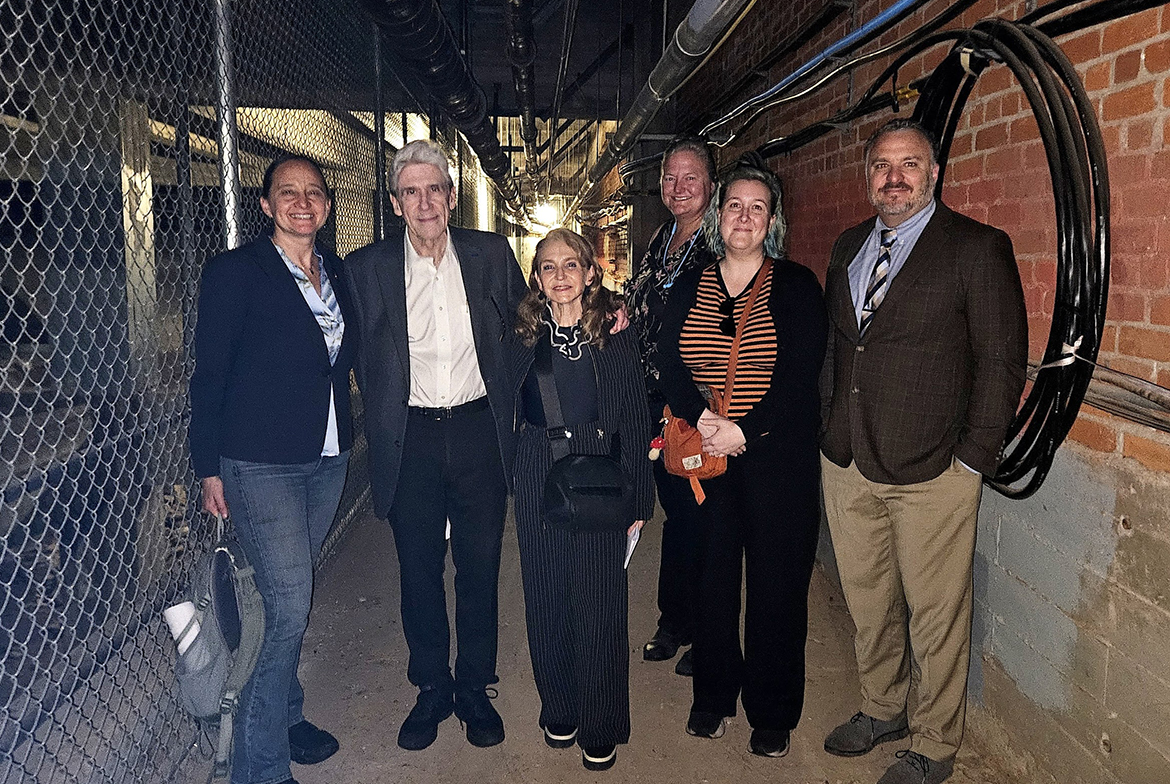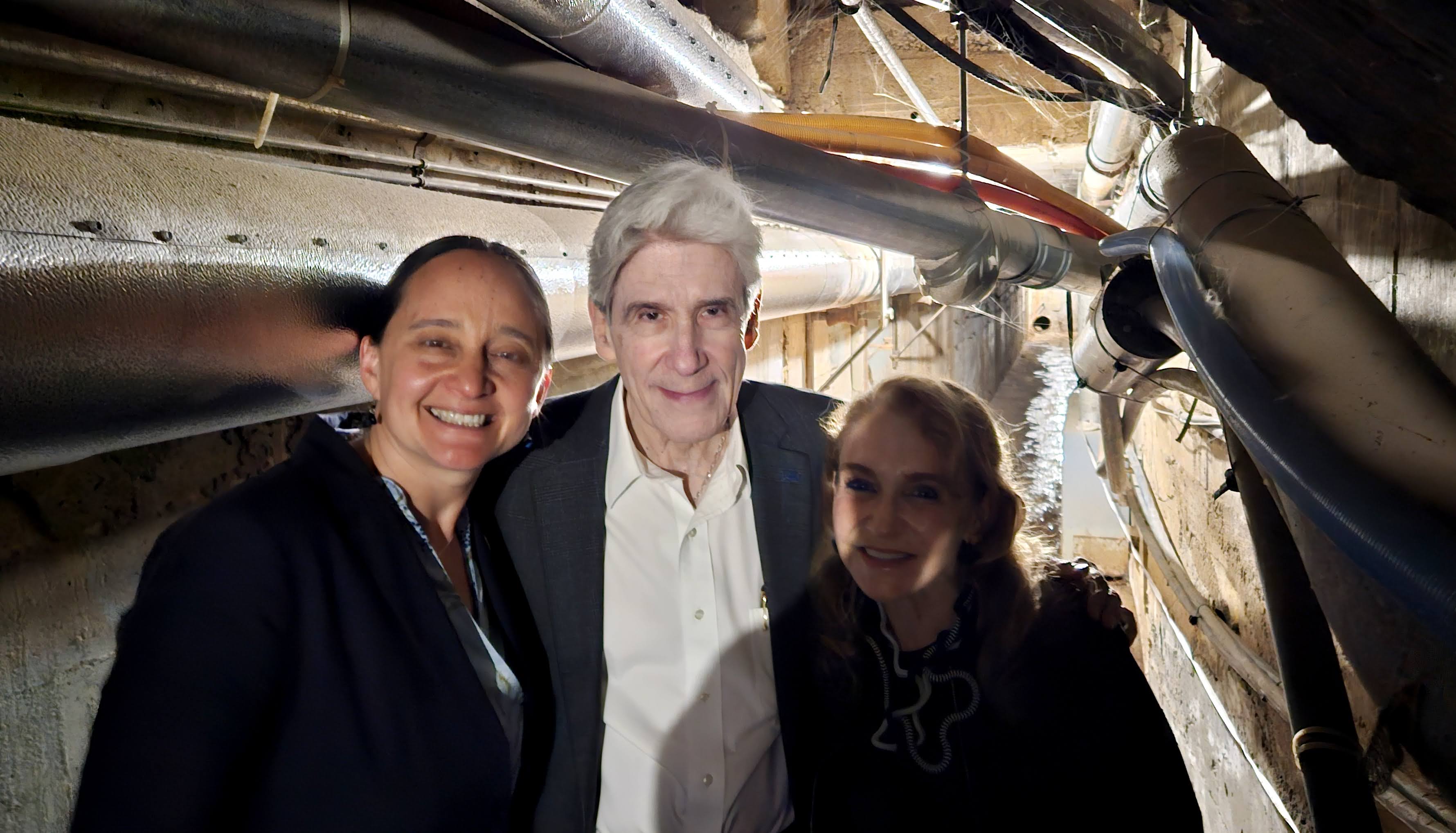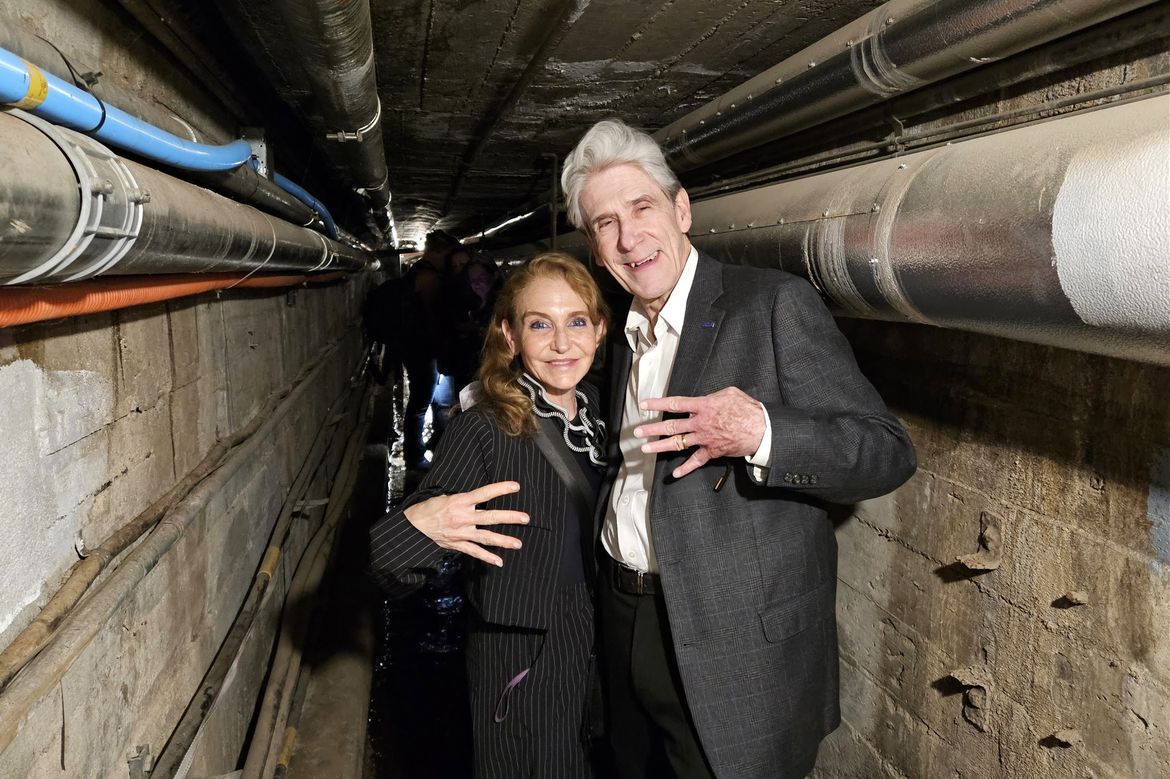
As his one-year anniversary at UCLA approaches, Chancellor Julio Frenk and Felicia Marie Knaul, associate of the chancellor, went on a guided tour of the oldest structure on the Westwood campus: the Arroyo Bridge.
Led by Nurit Katz, UCLA’s chief sustainability officer and a current doctoral student, they explored the structure — from below. Though the bridge is no longer easily visible above ground, it still stands as part of the campus’s 6-mile underground maintenance tunnel system.
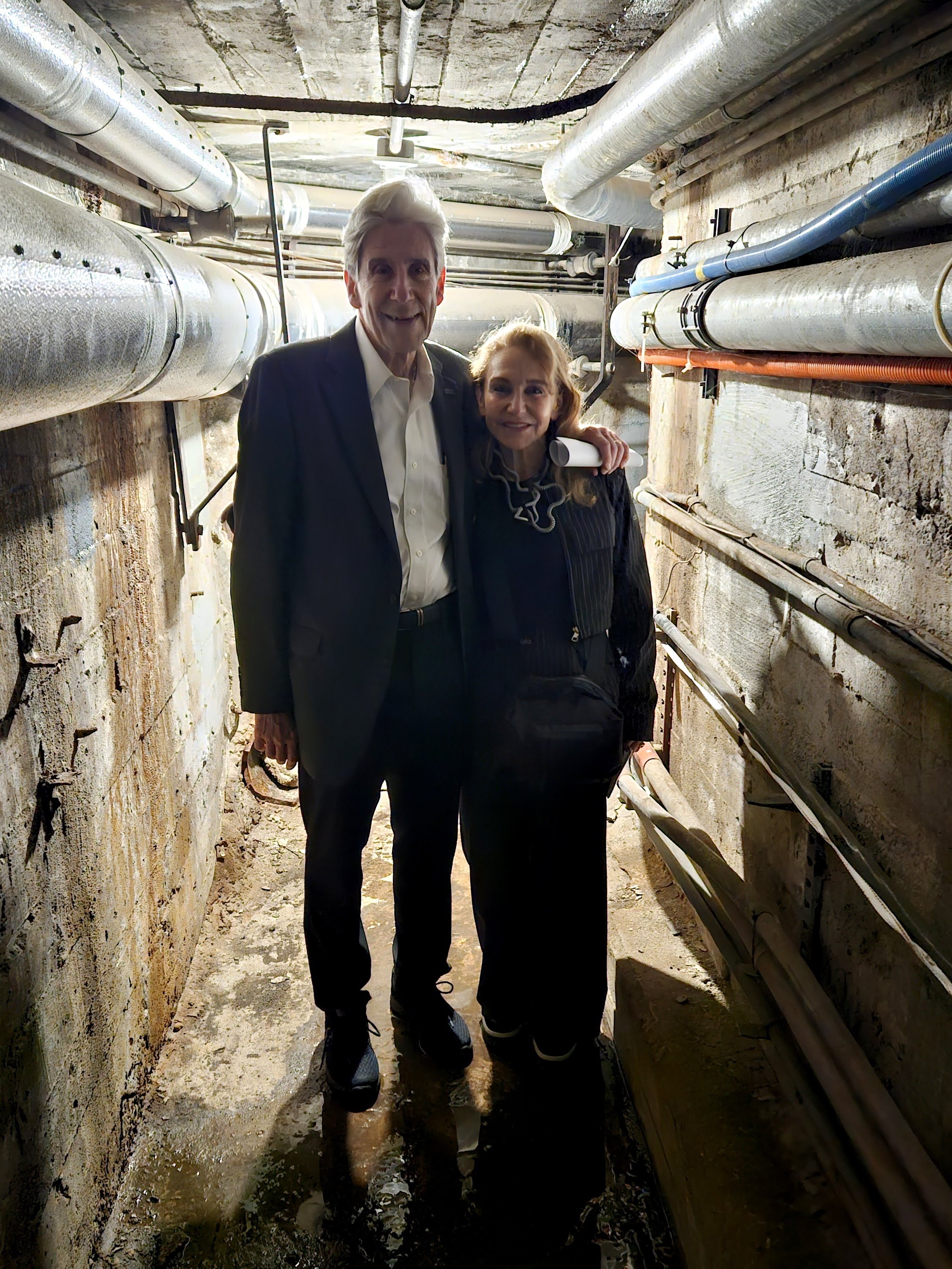
“It was so special to have the opportunity to show the chancellor and Dr. Knaul the area under the historic Arroyo bridge, especially with the historic photos of the area and the portions of the bridge which are now hidden,” Katz said. “They both had such an appreciation for the historic architecture and the importance and potential of sharing our history with the community, as well as understanding the potential for future projects to highlight and restore historic biodiversity and ecosystems.”
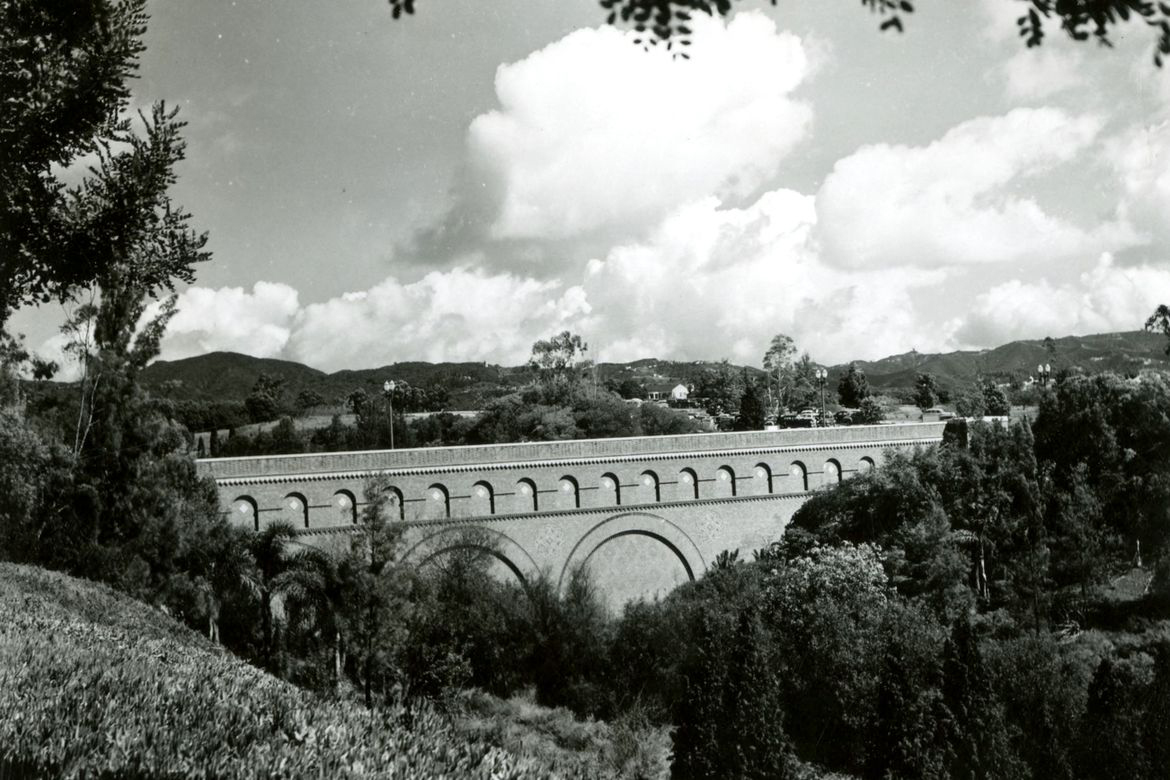
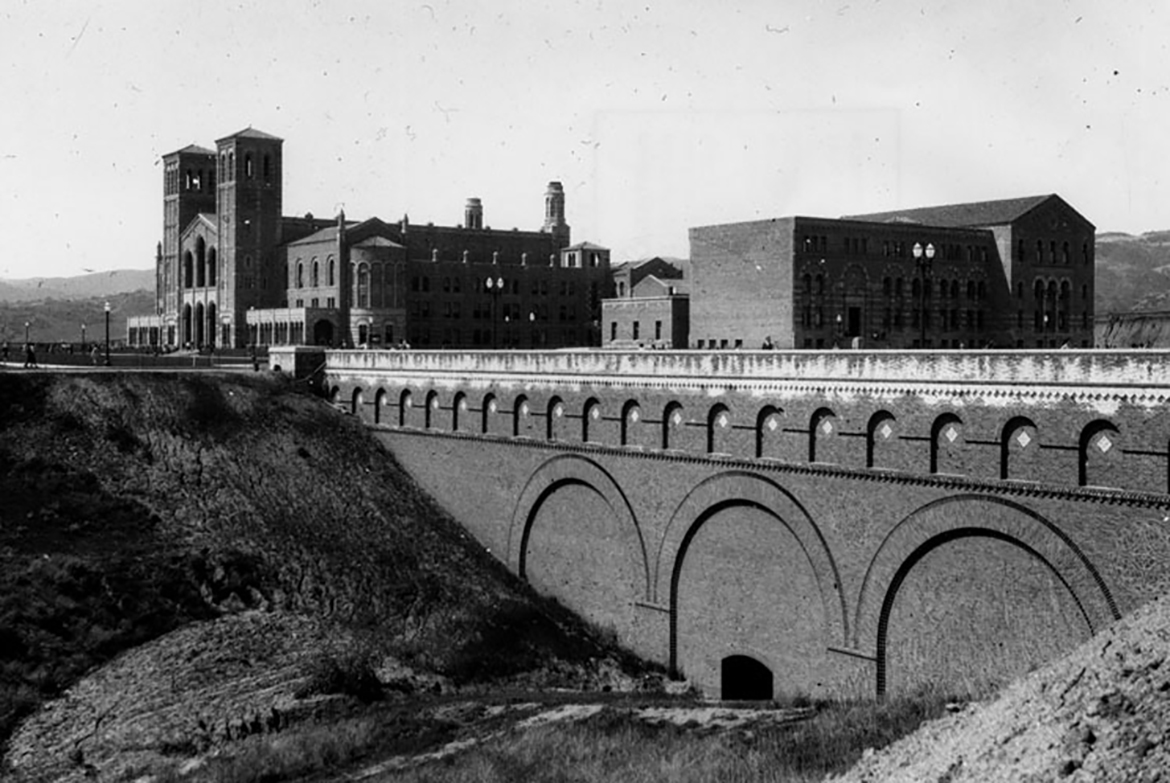
How did the bridge come to be — and what happened to it? Although Royce Hall and Powell Library were two of the first buildings on campus, a bridge was needed to transport construction materials across a deep ravine to the building sites. Modeled after the Roman aqueducts by supervising architect George W. Kelham, who also designed Powell Library, Arroyo Bridge was completed in 1927.
Hailed as the “avenue to the future,” the bridge featured three huge arches and diamond-shaped patterns made out of limestone and red brick, while decorative parapets and a series of smaller arches lined the upper part of the structure. The bridge, which stretched over the chaparral-filled ravine, also served as an entrance to UCLA for 20 years until the arroyo was filled in to create more usable space.
It also lives on in campus lore. In 1931, according to one story, a student who couldn’t afford housing showered in the gym and slept under the bridge after spending her days in classes and the library. When campus officials learned about the student, they provided her with an emergency loan and a place to live. Later, during World War II, enough food for 50,000 people was reportedly stored beneath the bridge.
Stretching 285 feet from what is now Charles E. Young Drive East to almost the flagpole at Portola Plaza, the bridge is still functional and is regularly inspected to ensure it meets safety and earthquake standards. While the arches remain hidden beneath what is now Dickson Plaza, a sign warning of vehicle weight restrictions “on this bridge” offers proof of the Arroyo Bridge’s presence.
“In addition to providing a peek into UCLA’s history as we near the centennial of the Westwood campus, the utility tunnels and under the bridge area give context to UCLA’s aging infrastructure and deferred maintenance challenges, which are important to understand as we plan UCLA’s energy future and decarbonization,” Katz said.
Read more about the architectural history of campus on Newsroom and in UCLA Magazine:
Stories in stone: A guided tour of UCLA’s architectural treasures
The secret lives of campus buildings
Buried in the past: Tales of Arroyo Bridge
Hail to the Hills: Bridge to the Past