Imagine a world where Alzheimer’s is reversible, paralysis is no longer permanent and treatments for improving mental health are universally available and applied. A world where we have fully explored the myriad mysteries of the mind — human and otherwise — ultimately deepening our understanding of life itself.
That world isn’t an impossible dream; it’s one that UCLA is actively building right now. Rooted in the UCLA Division of Life Sciences, where today’s undergraduate students become the world-changing educators, researchers, innovators and leaders of tomorrow, Bruins are exploring the depths and pushing forward every frontier of neuroscience for the benefit of all.
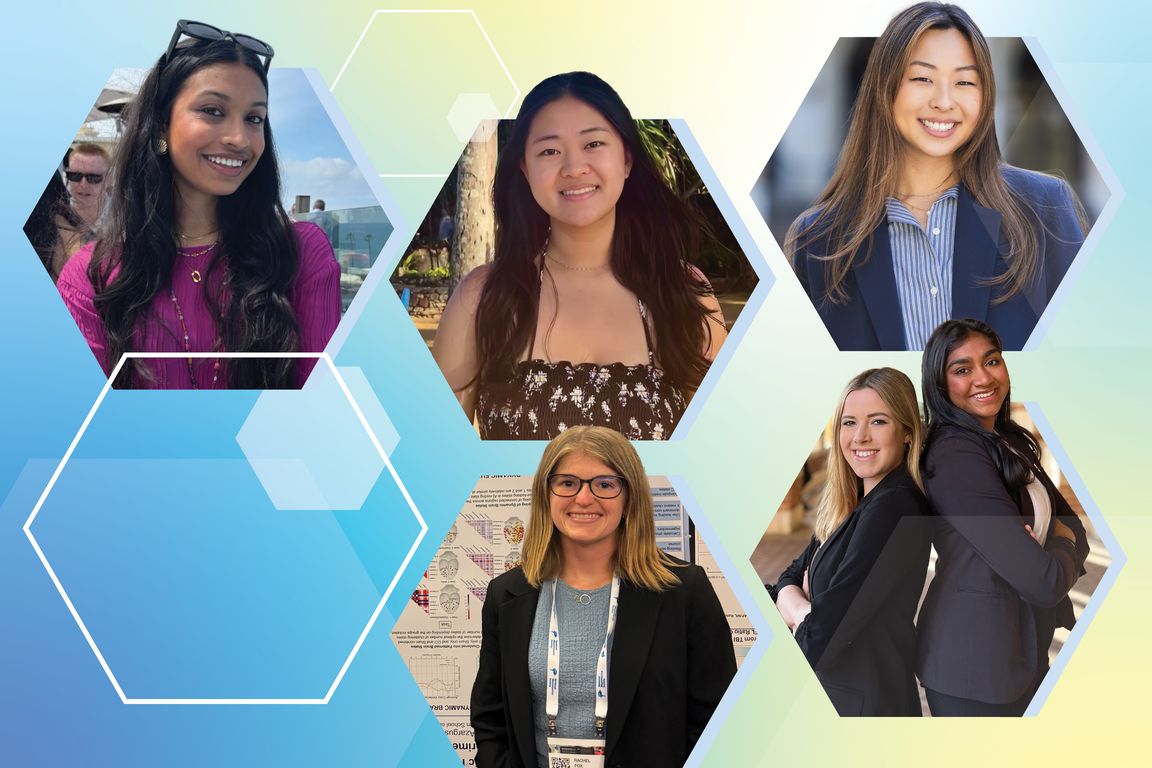
Here are a few glimpses through the unique lenses of some of the students leading this ambitious adventure into the inner cosmos within us all.
InterAxon interaction
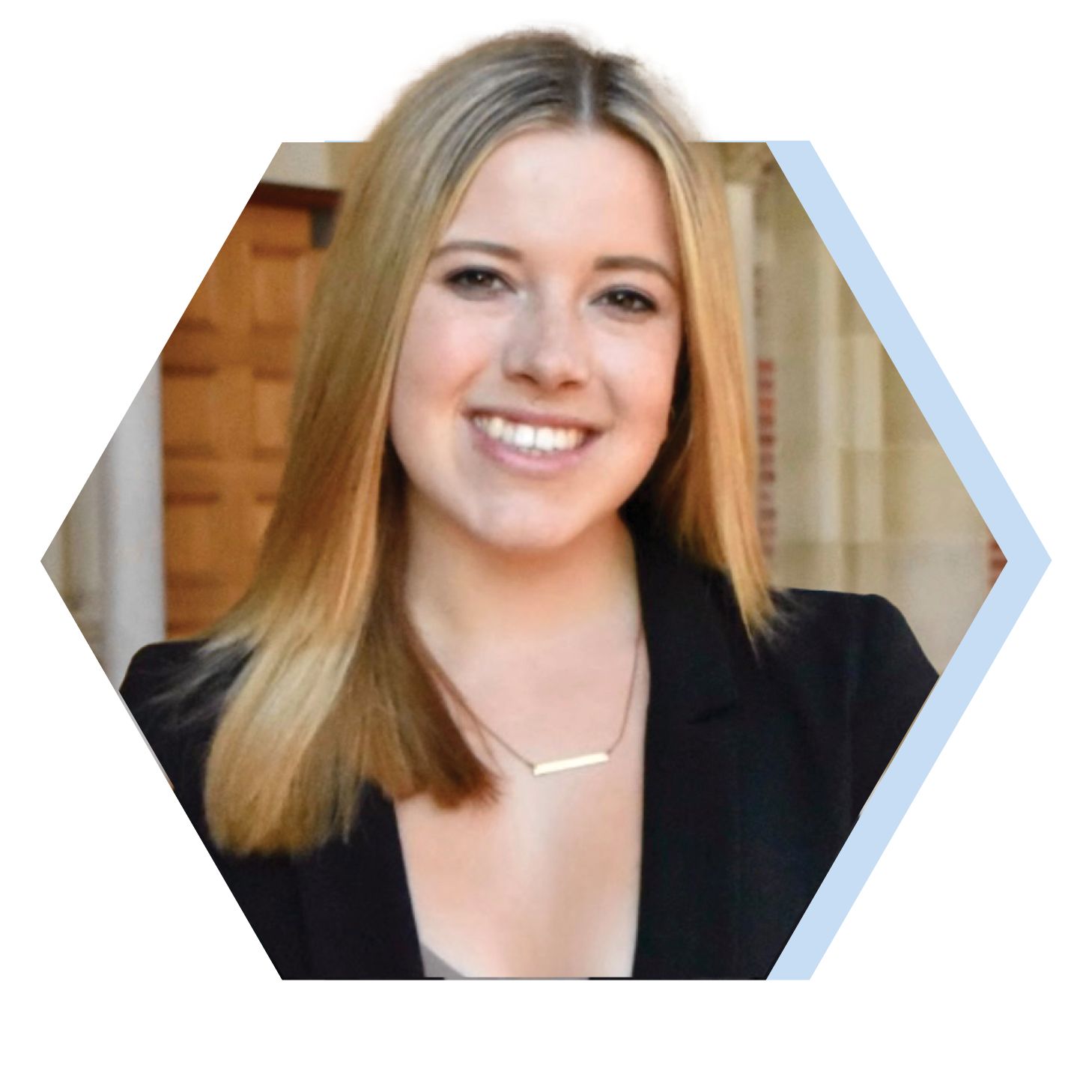
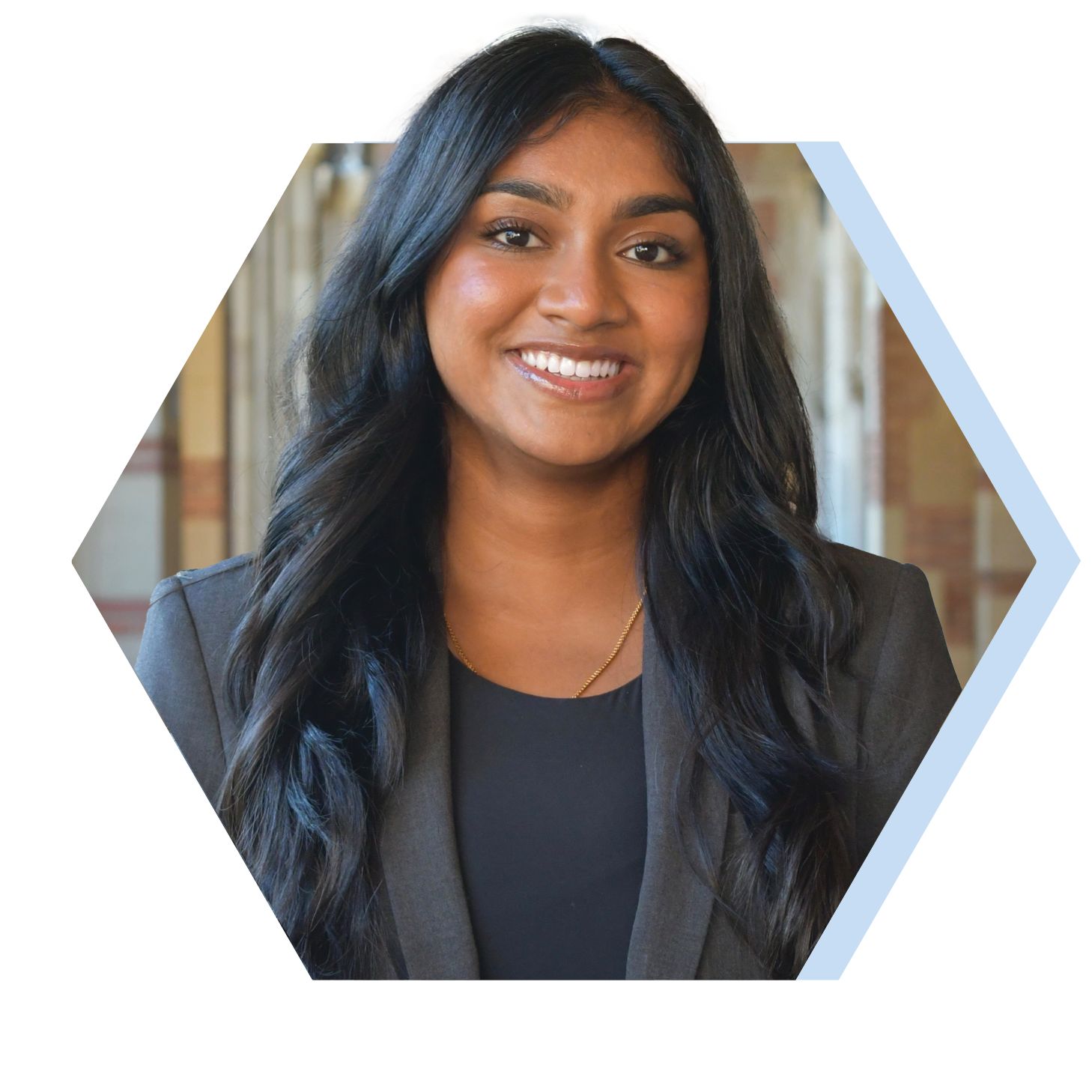
Gabrielle Malte, neuroscience alumna
Harshikasai Kellampalli, neuroscience alumna
Founded in affiliation with the UCLA Brain Research Institute, InterAxon is a student club that provides volunteer science outreach to local Title I K–12 schools, which serve students from low income families. How did you get involved with it?
Gabrielle Malte: I didn’t know anyone in the club going in, but my mom is a kindergarten teacher at a Title I school, and, as a high schooler, I worked with her students. Even before I came to UCLA, I actually researched a lot of different neuroscience clubs and stumbled upon InterAxon, so I always had a plan to join. I was with InterAxon for four years, and I absolutely loved it because I could share my passion for medicine, specifically neuroscience, with students who might not have access to those topics otherwise.
Harshikasai Kellampalli: It was amazing to bring a little bit of joy and inspiration to these kids, who got so excited when we visited and taught them various STEM topics. They couldn't wait to tell us about how they want to pursue different STEM careers — or that they wanted to pursue higher education in general — when they grow up, which meant a lot to me.
What inspired you to major in neuroscience at UCLA?
GM: Growing up, I was more interested in law. I pivoted early in high school when one of my family members was diagnosed and ended up passing away from brain cancer.
As they were going through that, the complexities of medicine, neurosurgery and neuroscience felt like foreign languages to me, so I started to look into them on my own ... In doing so, I became really interested in the brain and a lot of different aspects of it beyond neuro-oncology, which drove me to pursue and expand upon it at UCLA.
HK: Ever since I was little, I’ve always wanted to be a doctor/health care worker. My specific interest in neuroscience began when I took a medical terminology class in eighth grade, and during the neuroscience/neurology unit, my teacher told us how the brain is one of the most important organs, but there’s so much we don’t know about it yet. I was fascinated by this idea. That really inspired me to get interested in neuroscience, in particular, to see how I could one day contribute to this research myself.
Knowing that UCLA has an incredible neuroscience program made it an easy decision to follow that path.
What made being part of the UCLA Division of Life Sciences an important aspect of your journey?
GM: In life sciences — especially in the neuroscience major — we had an incredible program that was very oriented to and based in the most cutting-edge research, with a curriculum that is constantly changing, which I found really exciting. UCLA Life Sciences prepares you for a bunch of different experiences post-grad. For example, my ultimate goal is medical school, and they do a great job of preparing students for medical career paths. Now, I am going into research for at least a year — and they did a great job of preparing me for that as well. So many professors make research opportunities available to students in their labs or connect them to other labs that might have opportunities. Getting that strong research experience and that grounding in a bunch of different fields is really unique to the life sciences at UCLA.
HK: I think they do a really good job of sharing a nuanced understanding of how science and research keep evolving while tapping into how driven the students here are to learn. There’s a great balance of making sure that current issues and topics intersect with what we’re studying, which is so important for preparing us to integrate and use this information. UCLA Life Sciences gave us the space to explore all our interests while also teaching us everything we needed to know. I loved being a neuroscience major at UCLA and working with InterAxon, and everything I got to do. My four years at UCLA were one of the coolest opportunities and journeys, for sure.
What’s happening with you now?
GM: I graduated in March, and I’m taking a gap year before medical school. I’m in the process of applying, but for the next year, I’m working as a clinical research coordinator in the department of neurosurgery at UC San Francisco. My interest is still aligned in neurosurgery at this point, but we’ll see where that goes in the next few years.
HK: I applied to medical school. If that doesn’t work out, I’ll be doing clinical research in a hospital setting during my gap year. Throughout my time at UCLA, my specific interests shifted — while I definitely love neurology and neuroscience, I have a newfound passion and love for pediatrics. Currently, I have a job at UT Southwestern (medical center) in the pediatric neurology department, where I’ll work as a clinical research assistant coordinator. We’ll see what happens and where medical school takes me, but I hope to one day be a pediatric neurologist.
What’s your favorite example of InterAxon’s impact?
GM: We created a couple of children’s books about neuroscience, including one on the lobes of the brain. We pitched it to a school that was doing a big reading fair with about 100 kindergarten and first-grade students, and the teachers wondered if it might be too advanced for them. But we thought it would work, and the reaction was incredible — I was shocked. As we read the book, the kids were super-focused and asked some of the most amazing questions. For example, a 5-year-old asked, “If the occipital lobe is in the front of the brain, what’s in the back of the brain?” It was incredible seeing how engaged they were: a new generation of students discovering an interest in neuroscience.
HK: We do a science fair every year at UCLA for students from different Title I elementary and middle schools, with everything from guest speakers to poster presentations to even brain dissections. We give them an opportunity to come to a college campus and experience science in a new way.
I will never forget my freshman year, when we did the science fair and a little girl was looking at the microscopes, saying, “This is the coolest thing I’ve ever seen. I don’t know what ‘it’ is, but this is what I want to do when I grow up.”
It was a turning-point experience for me, getting to show her how to use the microscope and talk to her about neuroscience in terms she could relate to. I will never forget that moment of helping someone truly become inspired by science and seeing new possibilities for herself.
Supercharging with the Scheibel Scholarship
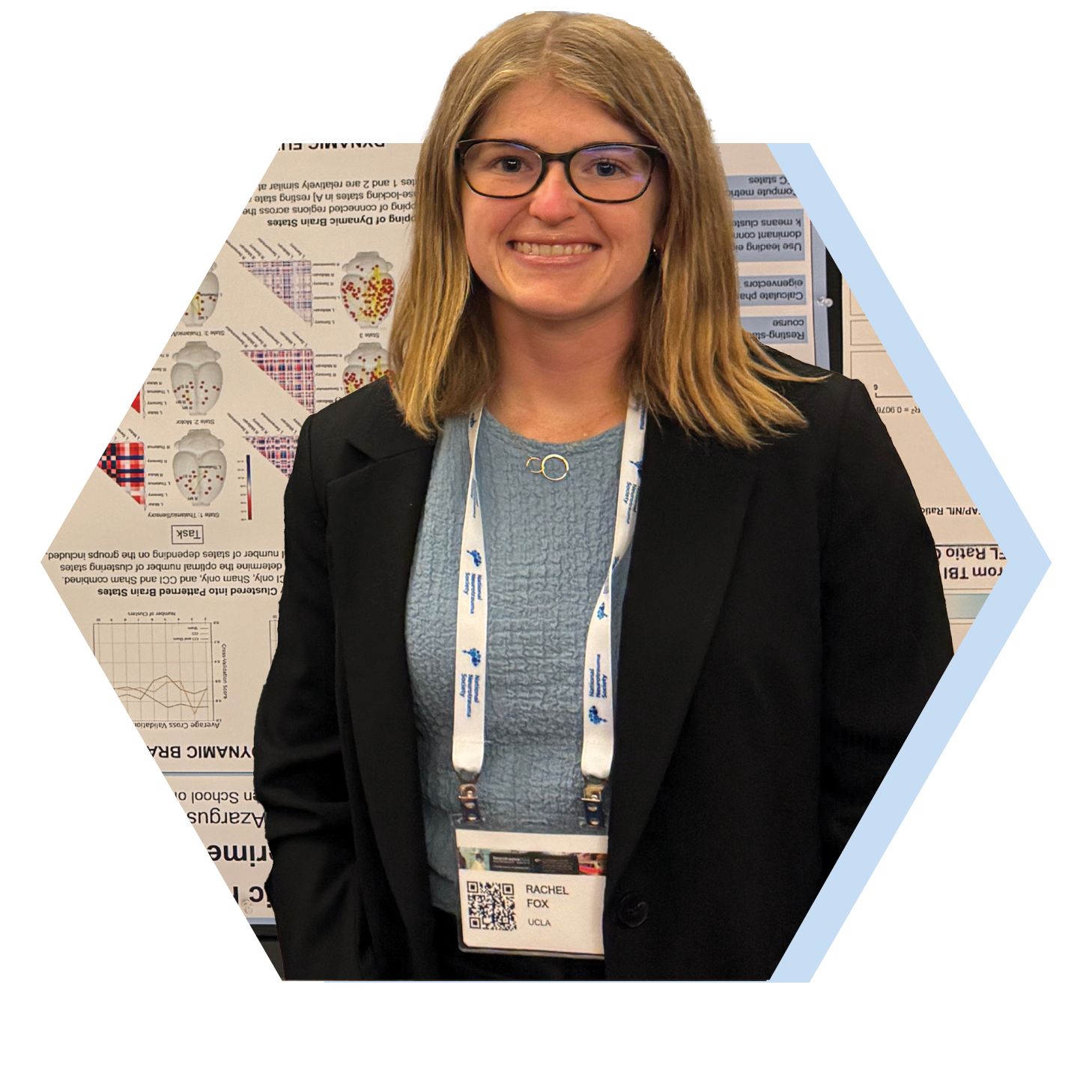
Rachel Fox, neuroscience alumna
What did it mean to you to be part of the UCLA Division of Life Sciences?
It was about being part of a group of people who are extremely interested in learning and knowledge, with access to incredible resources that included classes, research and extracurricular opportunities, and who are united by a shared interest in exploring and furthering the life sciences.
How did you first get interested in neuroscience?
I have been interested in medicine since I was 5. By the time I was in high school and heavily participating in math and science, I started to regularly read articles about advancements in neuroscience and share them back and forth with my dad. That ignited my passion for the human brain and how much we don’t know about it, so I started to pursue it further through my major and then through extracurriculars as well.
What are your goals now?
I’ve matriculated into the USC–Caltech M.D.–Ph.D. program. I hope to become a physician-scientist focused on neurology and neuroscience, working specifically in neurodegenerative diseases, and be able to see patient populations and do research in that area.
You were a recipient of the Scheibel Scholarship, which funds outstanding neuroscience students who are interested in pursuing neuroscience research. What was your journey to the scholarship — and beyond —like?
I started undergraduate research at UCLA in the fall quarter of my freshman year. I applied to some labs and ended up joining the lab of Neil Harris, and I did my senior honors thesis with him. I loved the research experience and having opportunities to pursue my own projects and delve deeper into the science behind traumatic brain injury and neuroscience. I applied for the Scheibel Scholarship because I thought it would provide the perfect opportunity for me to concentrate on research while doing the pre-clinical and dry-lab research I had already been involved in, while having that extra time and financial support to be able to focus on my own projects. I’m so grateful to have gotten it, because I was able to publish a couple of first-author papers, participate in three national conferences and contribute to a lot of different projects.
Exploring the Livescu Initiative on Neuro, Narrative and AI
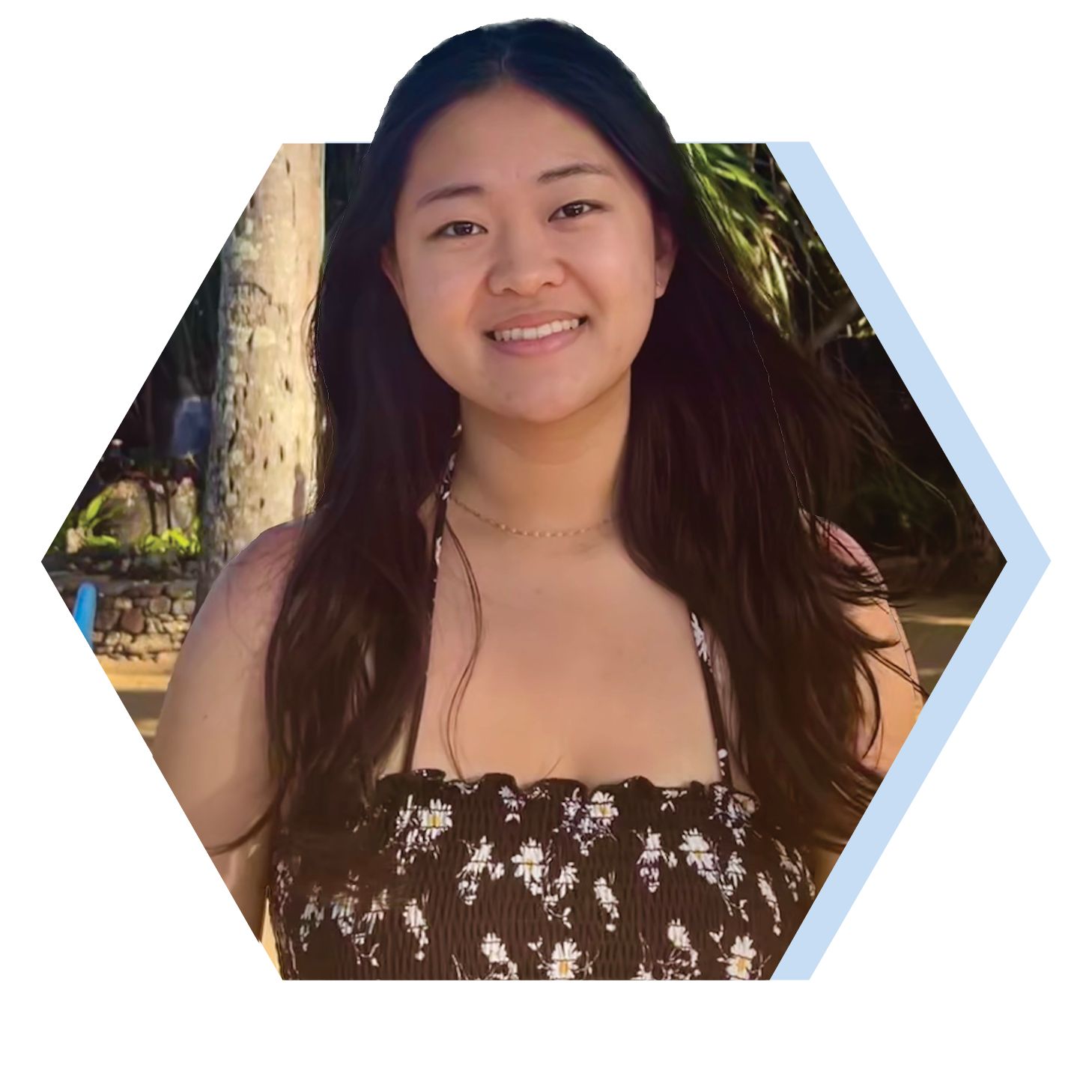
Isabella Yuan, alumna, human biology and society major with a philosophy minor
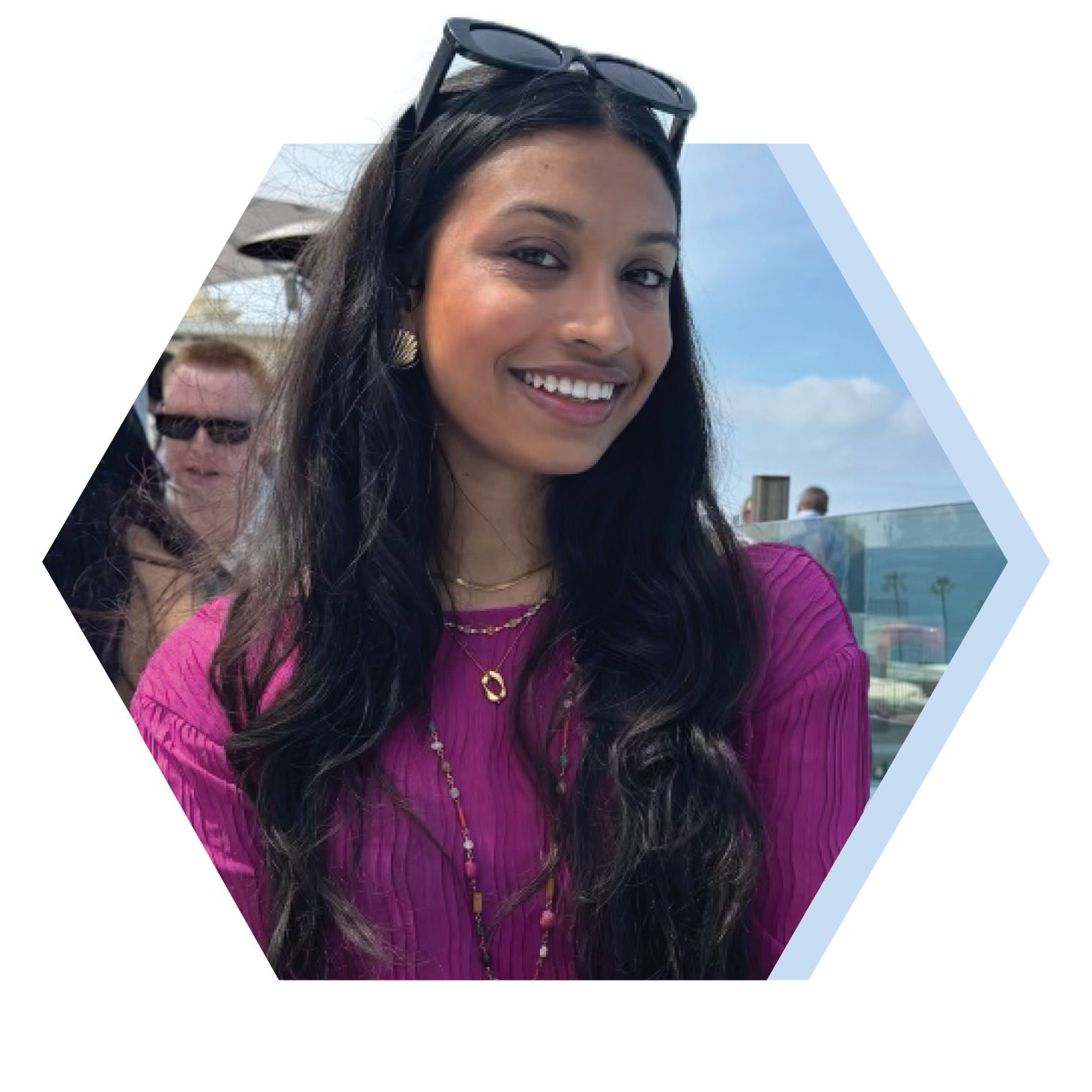
Chaya Manjeshwar, alumna, cognitive science and human biology and society major
As undergraduate students, you two were core members of the UCLA Livescu Initiative on Neuro, Narrative and AI (NNAI), which focuses on “thinking at the intersection of the humanities, neuroscience and engineering.” What did you personally find most exciting about NNAI and its vision?
Isabella Yuan: At Livescu NNAI, we explored AI not merely as a new technological development, but as part of a longstanding intellectual tradition concerned with questions of the mind, agency and more. Livescu NNAI hosts workshops, seminars and other opportunities, creating spaces for academic scholars, students, policymakers and industry professionals to come together and engage with one another. While working behind the scenes, I was always blown away by the wealth of knowledge and insight that results when these individuals come together.
Chaya Manjeshwar: The organization creates a space for important, relevant conversations. As we develop and create new technologies, we need to understand the impact that they can have on our society and how to ethically implement them to do more good than harm. As AI develops further, it is important to dissect it in a way that focuses on what it means to be human and our definition of thinking, intelligence and cognition. This is an exciting space to be in, especially in today’s digital era, and I loved being able to be part of these explorative conversations.
What interests you the most about neuroscience?
IY: I am fascinated by findings that challenge traditional views of agency and self. For example, studies on decision-making have found that neural activity related to making a choice often occurs before we are consciously aware of making that choice, suggesting that what we perceive as autonomous decisions may be the result of unconscious neural mechanisms. I am interested in these sorts of scientific insights that have the potential to reshape our understanding of what it means to be a human.
CM: Working at both NNAI and a clinical research lab under the department of neurology gave me a unique insight into neuroscience, both the scientific and human experience. I learned the science behind cognition and explored philosophically what cognition is. In my work at the clinical research lab, I learned how neural data can be used to further research, while my work at NNAI explored the ethical dimensions of what we consider to be thinking. To me, this intersection of human experience and science is where the most exciting work can take place.
Can you discuss the research projects you each conducted?
IY: My project was structured around three main questions: Can AI hold a copyright? Should AI hold a copyrights? And, if AI were to hold a copyright, what would it look like? In answering these questions, I explored relevant concepts such as incentive theory, corporate personhood and the autonomous business enterprise.
This project was important to me because it addressed pressing current debates regarding authorship, ownership and the future of creativity as AI becomes increasingly prevalent and accessible. The project allowed me to think in-depth about the purpose of current copyright law — whose interests does it protect, as well as how it will hold up when faced with new technologies that challenge it in unprecedented ways.
CM: My project was an exploration into the ethical considerations of how AI can and should be implemented in the medical field. In health care, AI has been used for a long time, and there are many avenues through which its applications can be expanded, but how far should we go? What are the dangers that we should be aware of, and how can we make sure that we implement these technologies in an ethical, equitable way and protect patients?
What does it mean to you to have been a UCLA Life Sciences undergraduate student?
IY: As a human biology and society major, I learned that science and society are deeply intertwined, influencing and shaping one another. I was able to study highly relevant biological issues while engaging with the complex social, political and ethical dimensions of science.
CM: Being a UCLA Life Sciences student was an incredibly rewarding experience, giving me the flexibility to take so many classes and follow an interdisciplinary pathway. I was able to pursue many research opportunities and have the support of faculty members to develop new skills and study habits, all of which made me a successful student.
What’s are you doing now?
IY: I plan to go to law school. Within the legal field, I am interested in going into IP law.
CM: I aim to be a physician and hope to work in the global health sphere.
The perfect Project Brainstorm
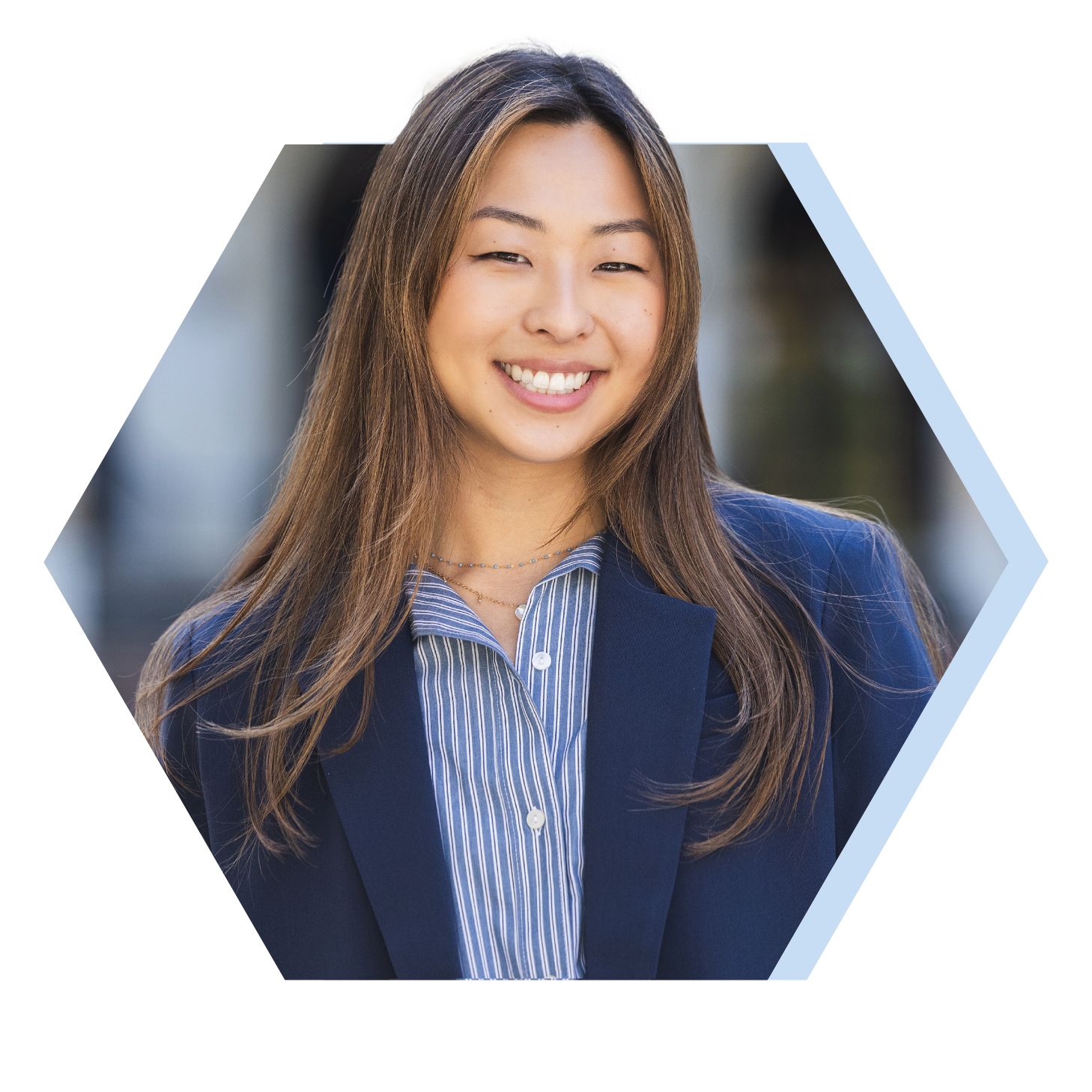
Jamie Lee, alumna; earned a bachelor's degree in physiological science major with a neuroscience minor; earned a master's degree physiological science in the UCLA Department of Integrative Biology and Physiology
Sponsored by the UCLA Brain Research Institute, Project Brainstorm is a student group that prepares participants to travel to classrooms across Los Angeles Unified School District to stimulate an interest in science among K–12 students. (An informal extension of this program is InterAxon.) How did you get involved with Project Brainstorm?
Life sciences graduate students are able to work through graduate school through teaching assistantships. I wasn’t really looking for a position in the fall quarter due to Medical College Admissions Test (MCAT) preparation, but since I had studied neuroscience concurrently with physiology as an undergraduate and was familiar with the curriculum and the department, the Brain Research Institute asked if I would be interested in starting Project Brainstorm in winter 2025.
It was an area I had no experience in; while I had racked up thousands of hours as a tutor, I had never really taught in a class setting, nor had I taught pedagogy. But it was an exciting challenge to teach other college students how to then teach neuroscience to K–12 students. So I gave it a try last winter and spring, and absolutely loved it! It was really awesome getting to know the neuroscience undergraduates who are sitting in the seats that I had been sitting in a few years ago.
What inspired you to major in physiological science and then to pursue a master’s in it?
I always knew that I wanted to be a doctor of some sort. Plus, science has always been something that has motivated me beyond just being my favorite school subject, to the point where I constantly want to know more and ask more questions.
The first step for me was in high school, when I did a summer surgery program at UC Irvine, where I was able to spend three weeks watching surgery every day. I was literally standing next to the table over the open heart, and it was the coolest thing ever, honestly. So it felt like a no-brainer picking up a life science major, especially since UCLA is really unique with its physiological sciences program.
What fascinates you about neuroscience?
I never really thought of going into neuroscience, but it’s interesting how the physiology department is so heavily impacted by the neuroscience department; most of the professors actually also teach neuroscience, so a lot of the courses are cross-listed. So when I was taking a bunch of these core classes, I realized how intertwined they were with the neuroscience program, and I was curious to explore more questions in that area. Instead of staying for office hours or asking a million questions to my physiology professors, I figured, why not just learn about it in class?
Because I was so excited about it, it just made the most sense to pick up the neuroscience minor and take as many classes as I could.
What did you work on at UCLA?
Over my last couple of years, I did research in a cardiovascular lab. I had started during my junior year at the Smidt Heart Institute at Cedars-Sinai as a research intern. And as a graduate student, I worked in the Quijada Lab at UCLA, where I studied cellular mechanisms associated with heart failure. I absolutely loved it, but I never really got to explore that neuroscience side of my education until recently.
What are your plans?
I just started a job as a clinical research coordinator at a pain management clinic, where most of the trials I work on are spinal cord-based. I love that I am able to talk to patients, day in and day out, about their pain and help them understand how we can fix and manage it. There have been so many moments where I realize: I took classes on this and can pull from specific memories to teach my patients about the nervous system.
I also applied to medical school and would love to pursue both medicine and research with an M.D.–Ph.D.
What made being part of the UCLA Division of Life Sciences an important aspect of your journey?
The people in the division genuinely do care, whether they be faculty, TAs, other students — anyone. There’s the stereotype that the pre-med experience is always cutthroat, but I found that it doesn’t exist like that at UCLA. My UCLA peers were so uplifting and genuinely happy for me when I succeeded and when I did cool things, as I was for them.
Another thing that I really loved is this unspoken thing in Los Angeles, where anywhere you go to learn, to research, to work, someone will always be there from UCLA. Plus, they are consistently passing down those opportunities to underclassmen once they graduate and go off to medical school. The position I have now was actually from a previous UCLA student, and I worked with a bunch of UCLA students and alumni. I love that sense of camaraderie, and it makes a world of difference.
Explore more of the UCLA College’s State of Mind