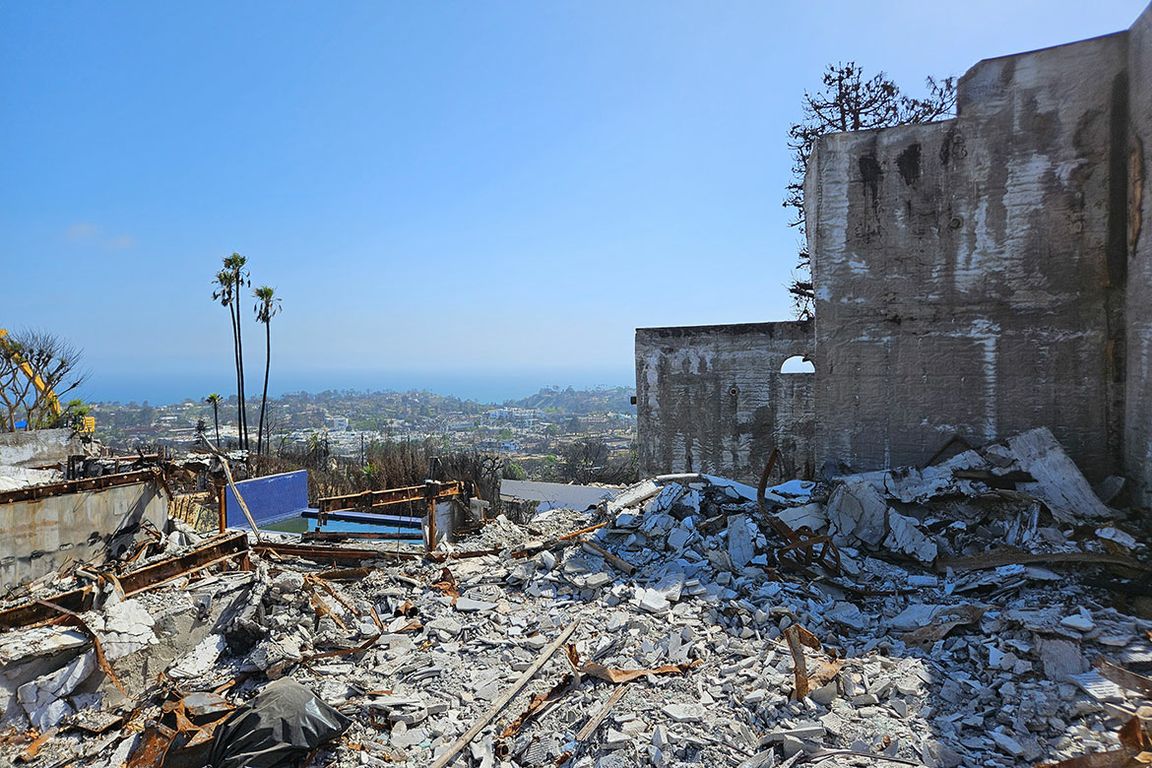
Air quality scientists from the University of California have detected elevated levels of hexavalent chromium and silver in air samples collected from the debris cleanup zones for the Eaton and Palisades wildfires, which occurred in January 2025 in Los Angeles County.
In a preprint paper co-authored by researchers from the University of California, Davis, and the UCLA Fielding School of Public Health, preliminary findings show hexavalent chromium, or chromium-6, levels in outdoor air averaged 13.7 nanograms (ng) per cubic meter (m3), or ng/m3, in Altadena and Pacific Palisades, the two communities most heavily impacted by the fires. Hexavalent chromium, or chromium-6, is a toxic metal and carcinogen that can impact the lungs and is associated with asthma, bronchitis and lung cancer.
Silver concentrations averaged 1.6 g/m3, with more than 90% of that material in tiny nanoparticles, which are less than 1/1000th the width of a human hair. While silver is generally safe, its nanoparticles can cause inflammation and cell damage.
The full health impact of inhaling these toxicants is uncertain, but the authors say caution is warranted “given that nanoparticles can easily cross cell membranes and circulate throughout the body.”
“The levels of hexavalent chromium detected warrant further field monitoring because this metal is a powerful respiratory irritant and a known human carcinogen,” said co-author Dr. Michael Jerrett, a professor of environmental health sciences at UCLA’s Fielding School of Public Health. “The levels detected are unlikely to increase lifetime cancer risk for people frequenting the burn areas if the levels return to normal urban background in the short term, but if these elevated levels persist, they could present serious health risks for residents and workers in the burn areas.”
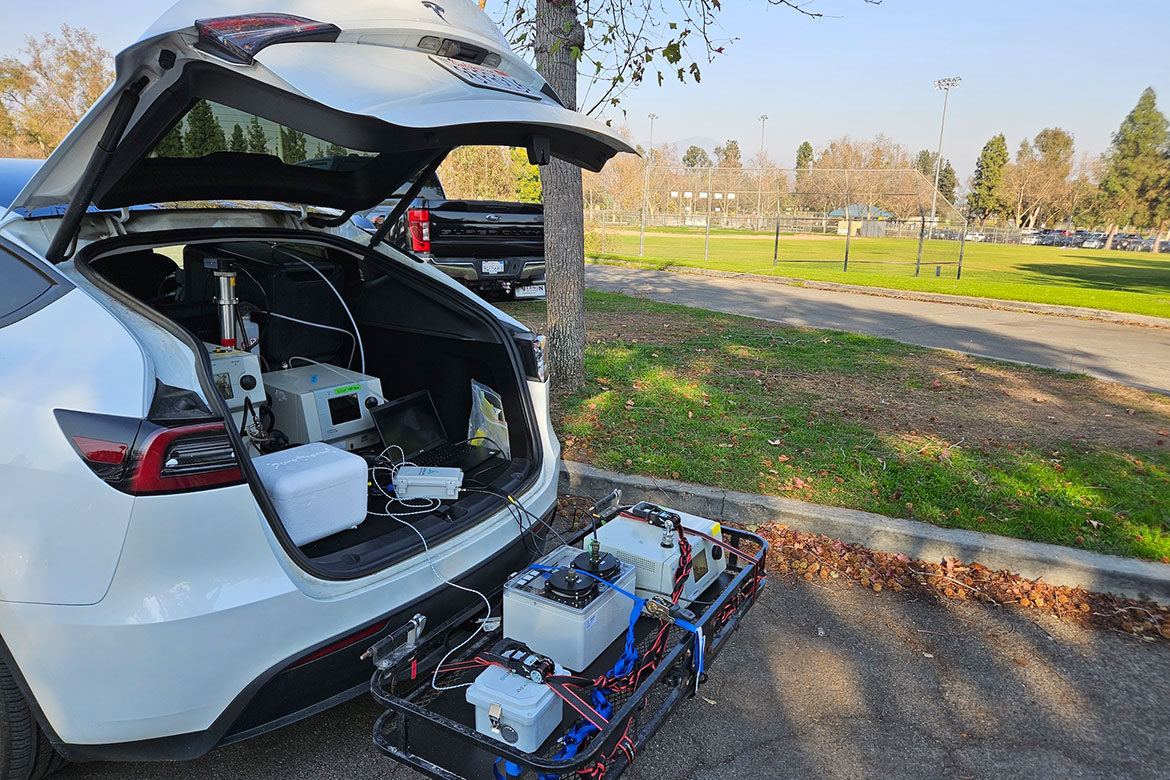
The air samples were collected in March and April 2025.
The citywide average levels measured were below the official limits set by the National Institute for Occupational Safety and Health and U.S. Environmental Protection Agency for worker health, but above screening levels for outside air. When screening levels are exceeded, they warrant further investigation.
Read the full recap of the findings on the UCLA Fielding School of Public Health website.