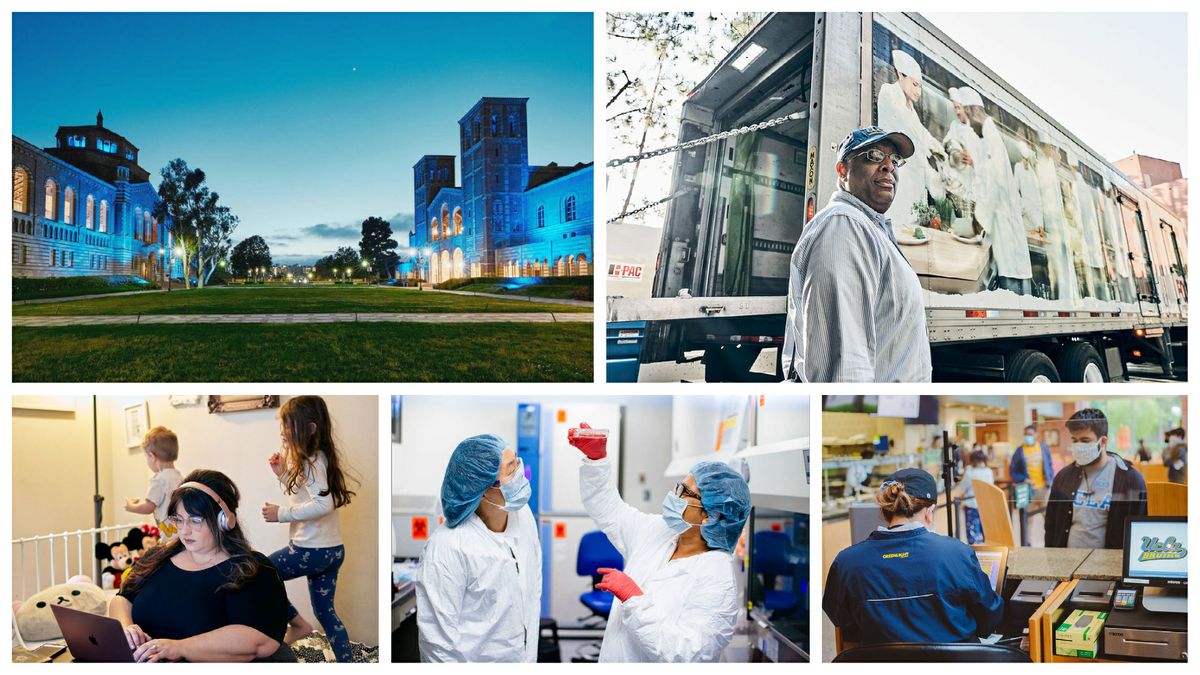
When people look back, COVID-19 will be what defines 2020 — and that applies to UCLA, just like everywhere else. From forcing us to shift to remote learning, move all but the most essential jobs off campus and ultimately close the campus to the public, the pandemic remade life in ways we couldn’t have imagined.
But as difficult as the challenges were, Bruins everywhere responded with the resilience, creativity and ingenuity that embody our values.
- Scientists, doctors and scholars continued to pursue the research that helped the public better understand the virus.
- Health care workers put themselves on the line day after day to care for and comfort the sick.
- Campus leadership committed to keeping career employees working.
- Staff kept campus going for those who needed to remain.
- Faculty and staff partnererd to help make sure vital information about COVID-19 was available to people who don’t speak English fluently, which is a huge number in Los Angeles County.
- Professors changed how and what they taught to help their students contextualize these unprecedented events.
Here, we remember the many ways COVID-19 affected the campus and how the entire Bruin community — leadership, faculty, staff and students — rose to meet the extraordinary demands of the moment.
How UCLA scientists are using stem cells to take on COVID-19
UCLA Broad Stem Cell Research Center
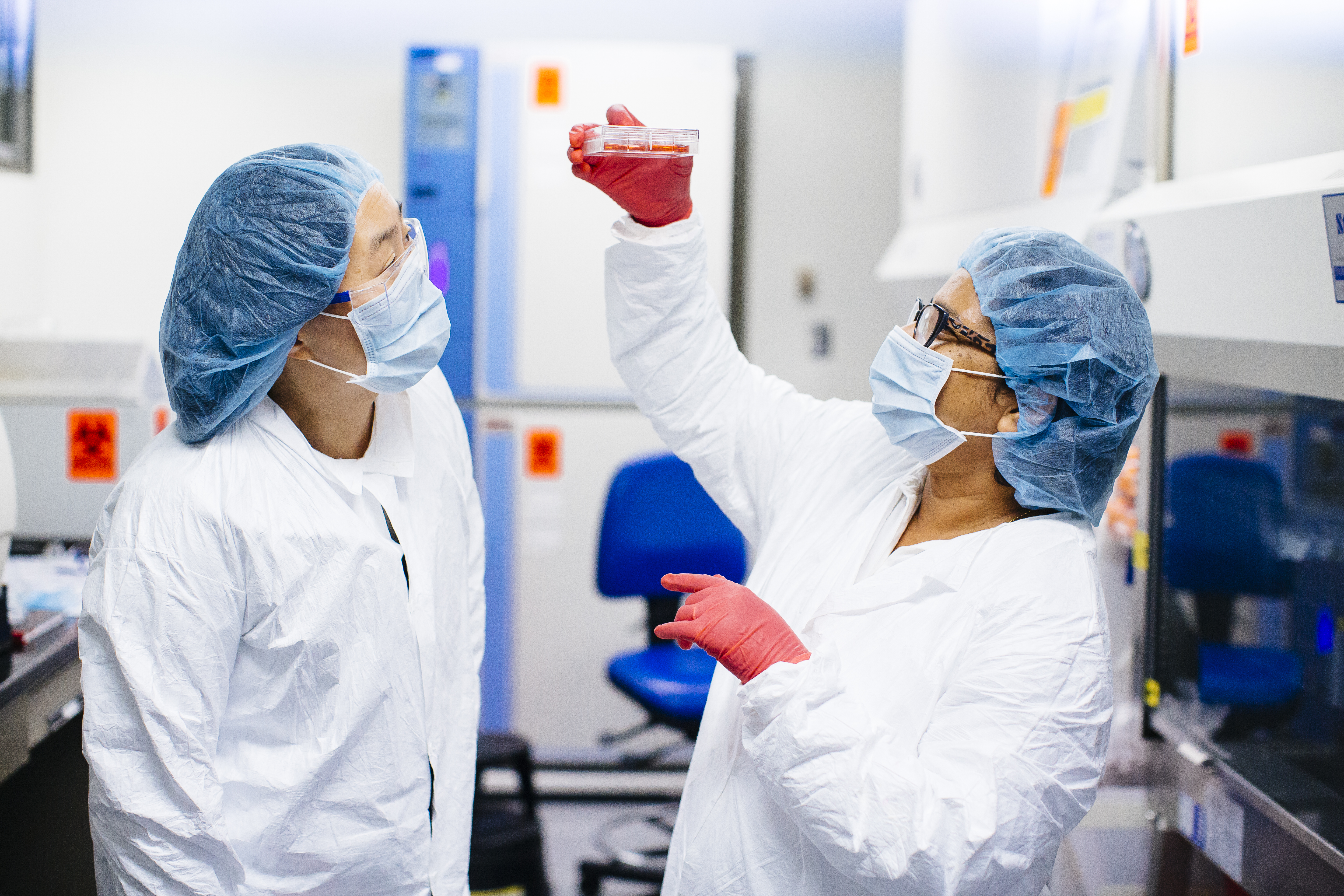
More than 230 research projects, including several led by members of the UCLA Broad Stem Cell Research Center, contributed to the fight against COVID-19, as scientists channeled their talents to seek new and creative ways to reduce the spread of the virus and save lives.
“As a result of the pandemic, everyone on campus is committed to finding ways that their unique expertise can help out,” said UCLA’s Dr. Brigitte Gomperts. “So many of my colleagues have repurposed their labs to work on the virus. It’s very seldom that you have one thing that everybody’s working on, and it has been truly inspiring to see how everyone has come together to try and solve this.”
“As a result of the pandemic, everyone on campus is committed to finding ways that their unique expertise can help out,” said UCLA’s Dr. Brigitte Gomperts. “So many of my colleagues have repurposed their labs to work on the virus. It’s very seldom that you have one thing that everybody’s working on, and it has been truly inspiring to see how everyone has come together to try and solve this.”
UCLA creates multilingual website for coronavirus information
translatecovid.org
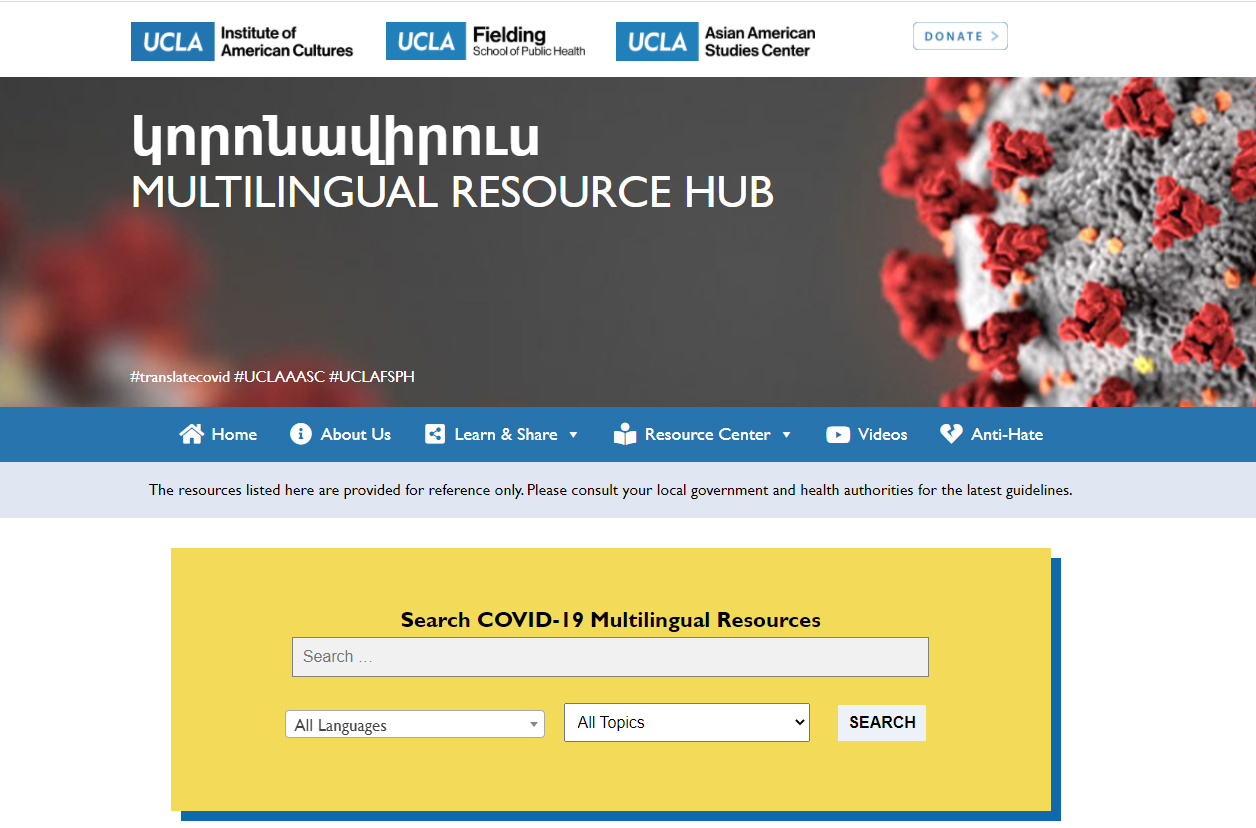
Recognizing that a dangerous information gap was exacerbating the effects of COVID-19 among non–English speakers, faculty from UCLA’s Fielding School of Public Health and Asian American Studies Center quickly came together to launch a new website presenting health and safety recommendations and other information in more than 40 languages, including Spanish, Chinese, Korean, Armenian, Japanese and Vietnamese.
“Many non-English speakers lack credible information about the novel coronavirus and how to manage the risks surrounding it,” said Karen Umemoto, holder of the Helen and Morgan Chu Chair and Director of the Asian American Studies Center. “And Los Angeles is home to a critical mass of many non–English-speaking communities, including Asian and Pacific Islander.”
“Many non-English speakers lack credible information about the novel coronavirus and how to manage the risks surrounding it,” said Karen Umemoto, holder of the Helen and Morgan Chu Chair and Director of the Asian American Studies Center. “And Los Angeles is home to a critical mass of many non–English-speaking communities, including Asian and Pacific Islander.”
Faculty provide invaluable insights into the novel coronavirus and its effects
Spectrum News 1
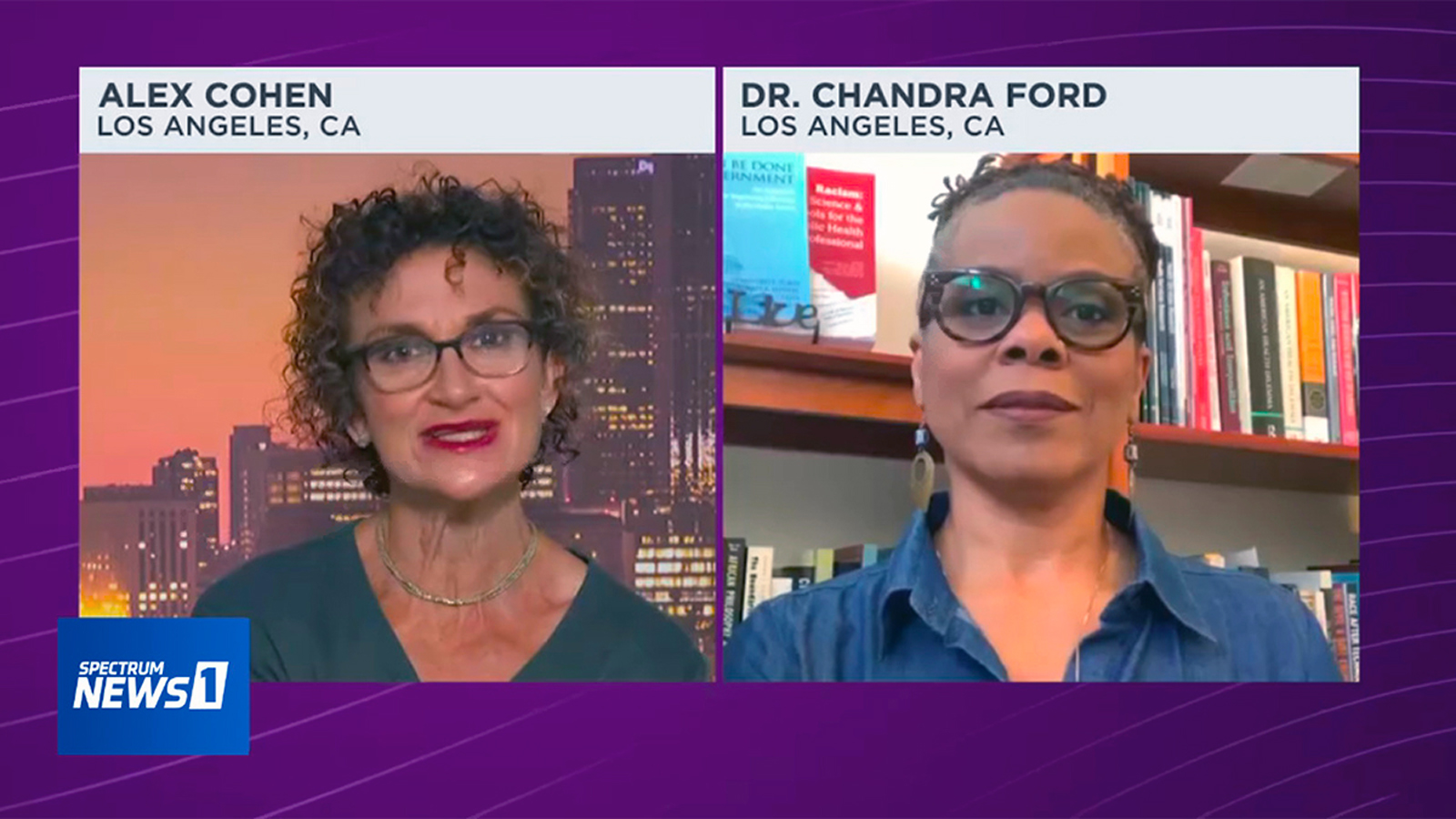
Chandra Ford, right, associate professor of community health sciences in the UCLA Fielding School of Public Health, and director of the Center for the Study of Racism, Social Justice & Health, being interviewed by Alex Cohen on “Inside the Issues” on Spectrum News 1.
Throughout the year, faculty have been interviewed hundreds of times to offer their expertise and help the public better understand what’s happening with COVID-19.
Throughout the year, faculty have been interviewed hundreds of times to offer their expertise and help the public better understand what’s happening with COVID-19.
Our commitment to our community – no layoffs | Extending our commitment
Reed Hutchinson/UCLA
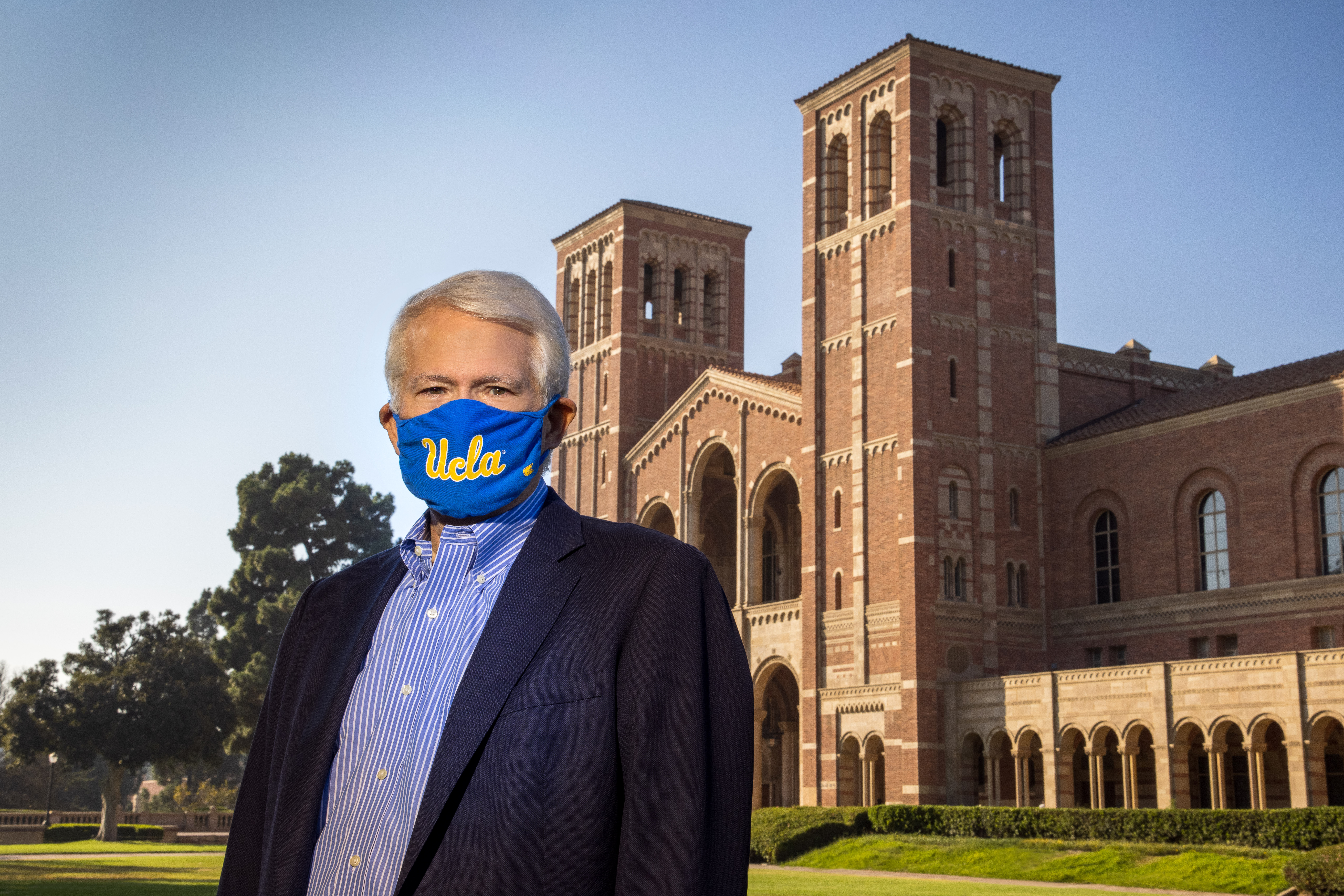
“Here at UCLA, the pandemic has had a substantial impact on our campus budget. Still, due to prudent financial management over the last several decades as well as the recent institution-wide efforts we’ve made to cut costs and plan for future fiscal challenges, I am grateful that we are able to extend our commitment to no COVID-19–related layoffs for career employees through the end of the fiscal year, June 30, 2021. While I do not know what the future holds, UCLA will continue to do whatever it can — with your continued support, resilience and flexibility — to retain as many of our dedicated employees as possible during this very difficult time. Thank you all once again for your commitment to our institution and to one another.”
—Chancellor Gene Block
—Chancellor Gene Block
Birthrates, marriage, gender roles will change dramatically in post-pandemic world

wavebreakmedia/Shutterstock.com
COVID-19 and America’s response to it are likely to profoundly affect our families, work lives, relationships and gender roles for years, say 12 prominent scientists and authors who analyzed 90 research studies and used their expertise to evaluate our reaction to the pandemic and predict its aftermath.
Among the predictions: Planned pregnancies will decrease in a disease-ridden world, birthrates will drop, and many couples will postpone marriage; people who are single are less likely to start new relationships; and with women spending more time providing care and schooling will push us toward socially conservative gender norms and potentially result in a backslide in gender equality.
Among the predictions: Planned pregnancies will decrease in a disease-ridden world, birthrates will drop, and many couples will postpone marriage; people who are single are less likely to start new relationships; and with women spending more time providing care and schooling will push us toward socially conservative gender norms and potentially result in a backslide in gender equality.
The full picture: Why we need more demographic data on COVID-19
UCLA
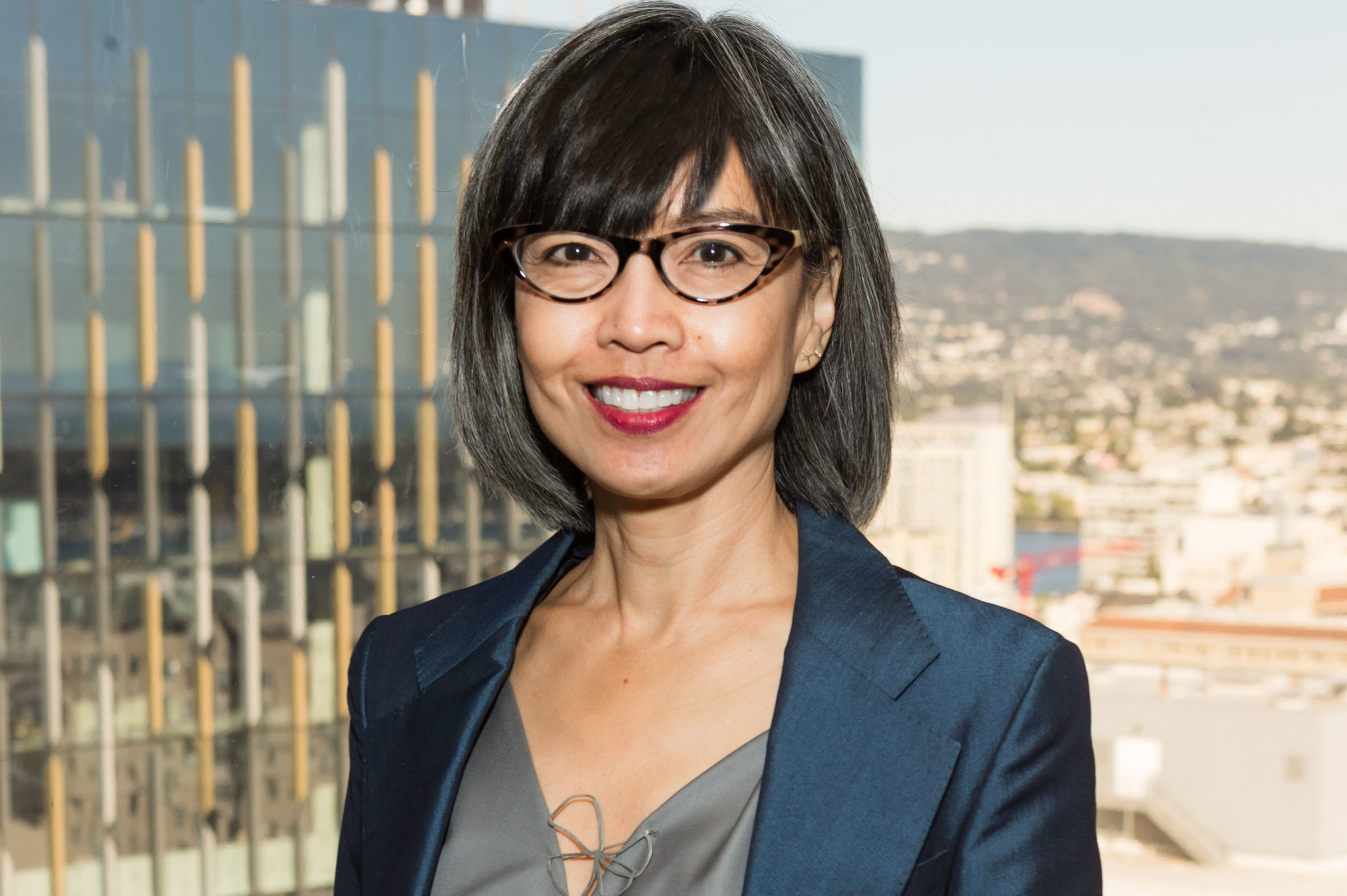
As the pandemic highlighted racial, ethnic and economic health disparities across the nation, scholars from the UCLA Center for Health Policy Research and others pushed forward to address the urgent need to collect COVID-19 data on underrepresented groups. Their work not only sought to achieve greater health equity but also to help policymakers, journalists and others better understand the diverse issues around the pandemic.
“More data across the nation’s diverse mix of racial and ethnic groups translates into greater representation and fairness,” said Ninez Ponce, director of the center. “Our approach essentially means that researchers and other health care experts looking at this disease can obtain a more accurate picture of what is really going on and why these differences in health care access and outcomes are occurring.”
“More data across the nation’s diverse mix of racial and ethnic groups translates into greater representation and fairness,” said Ninez Ponce, director of the center. “Our approach essentially means that researchers and other health care experts looking at this disease can obtain a more accurate picture of what is really going on and why these differences in health care access and outcomes are occurring.”
Nursing professor shares her experience as a subject in COVID-19 vaccine trial
UCLA
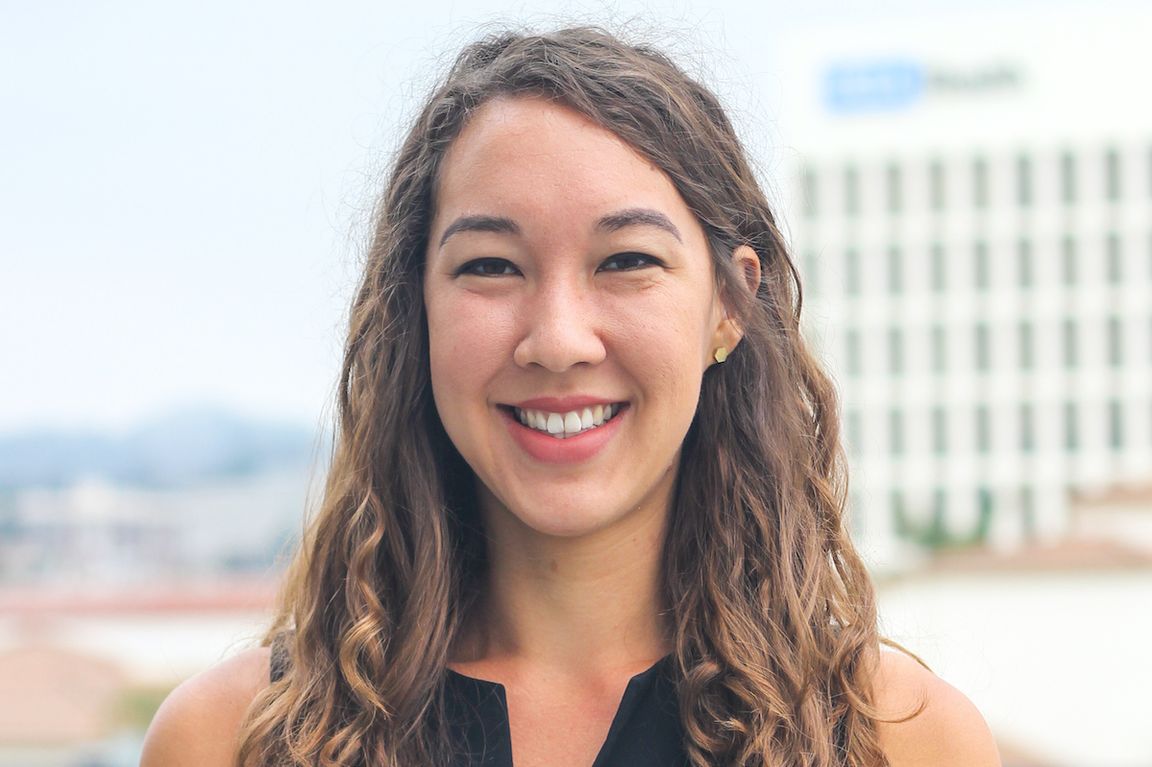
In August, UCLA Nursing’s Kristen Choi decided to step out of her usual role of conducting research and volunteered to become a subject in a study testing a new COVID-19 vaccine. She described her experiences in a piece published in JAMA Internal Medicine, urging doctors and nurses to explain to patients the potential side effects of the vaccine — but also reassure them it is safe.
“Clinicians will need to be prepared to discuss with patients why they should trust the vaccine and that its adverse effects could look a lot like COVID-19,” she wrote. “They will need to explain that fatigue, headache, chills, muscle pain, and fever are normal, reactogenic immune responses and a sign that the vaccine is working, despite the unfortunate similarities with the disease’s symptoms.”
“Clinicians will need to be prepared to discuss with patients why they should trust the vaccine and that its adverse effects could look a lot like COVID-19,” she wrote. “They will need to explain that fatigue, headache, chills, muscle pain, and fever are normal, reactogenic immune responses and a sign that the vaccine is working, despite the unfortunate similarities with the disease’s symptoms.”
Structural changes: How the pandemic could influence architecture
Alex Kotliarskyi/Unsplash
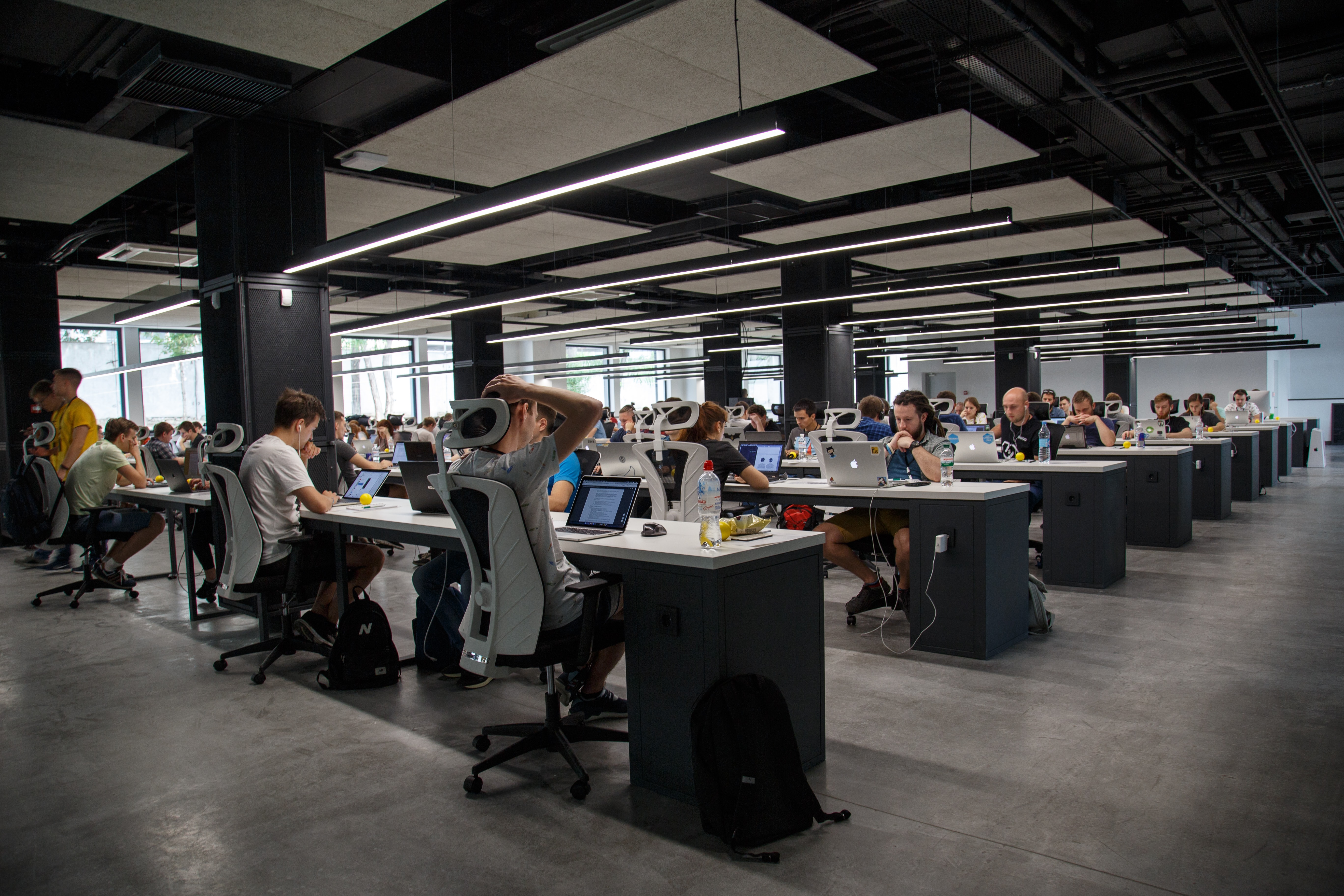
The COVID-19 crisis forced us to adapt where we live, work, eat, exercise and unwind, and it spurred architects to begin pondering how those changes might influence the next generation of homes, offices and other buildings. In a virtual roundtable, faculty from the UCLA School of the Arts and Architecture weighed in on how architecture and design may evolve in the aftermath of the pandemic.
“The world will change,” said Natasha Sandmeier, an adjunct assistant professor of architecture and urban design. “What we have to try to preserve in the face of this transformation, increased isolation and reduced contact, is community and humanity.”
In a virtual roundtable discussion, Sandmeier and fellow architecture professors Dana Cuff and Greg Lynn weigh in on how the practice may evolve in the aftermath of the pandemic.
“The world will change,” said Natasha Sandmeier, an adjunct assistant professor of architecture and urban design. “What we have to try to preserve in the face of this transformation, increased isolation and reduced contact, is community and humanity.”
In a virtual roundtable discussion, Sandmeier and fellow architecture professors Dana Cuff and Greg Lynn weigh in on how the practice may evolve in the aftermath of the pandemic.
Rise up: Images of Bruin resiliency during COVID-19

Jeff Newton/UCLA Chicano Studies Research Center
Whether as students, teachers, employees, volunteers, colleagues, parents, children, caregivers or friends, we were all forced to adapt by the pandemic. It wasn’t always easy, but members of the Bruin community rose to meet the historic moment.
LeighAnna Hidalgo, for instance, managed to complete her dissertation in April from her apartment in Los Feliz. There, her desk was a small bistro table; her children’s bed was her chair. It was painful being at home with her family but also being absent from them at the same time.
“That was the hardest part. They miss me. And I feel bad about stopping them, since they want to play with me or have a tickle session. They’re not used to my husband and I being home. They’re used to being at day care or kindergarten, so they want our attention.”
LeighAnna Hidalgo, for instance, managed to complete her dissertation in April from her apartment in Los Feliz. There, her desk was a small bistro table; her children’s bed was her chair. It was painful being at home with her family but also being absent from them at the same time.
“That was the hardest part. They miss me. And I feel bad about stopping them, since they want to play with me or have a tickle session. They’re not used to my husband and I being home. They’re used to being at day care or kindergarten, so they want our attention.”
UCLA Broadcast Studio
‘Simple, accessible and fun’: Teaching experts’ tips for parents
Ocie Wilson
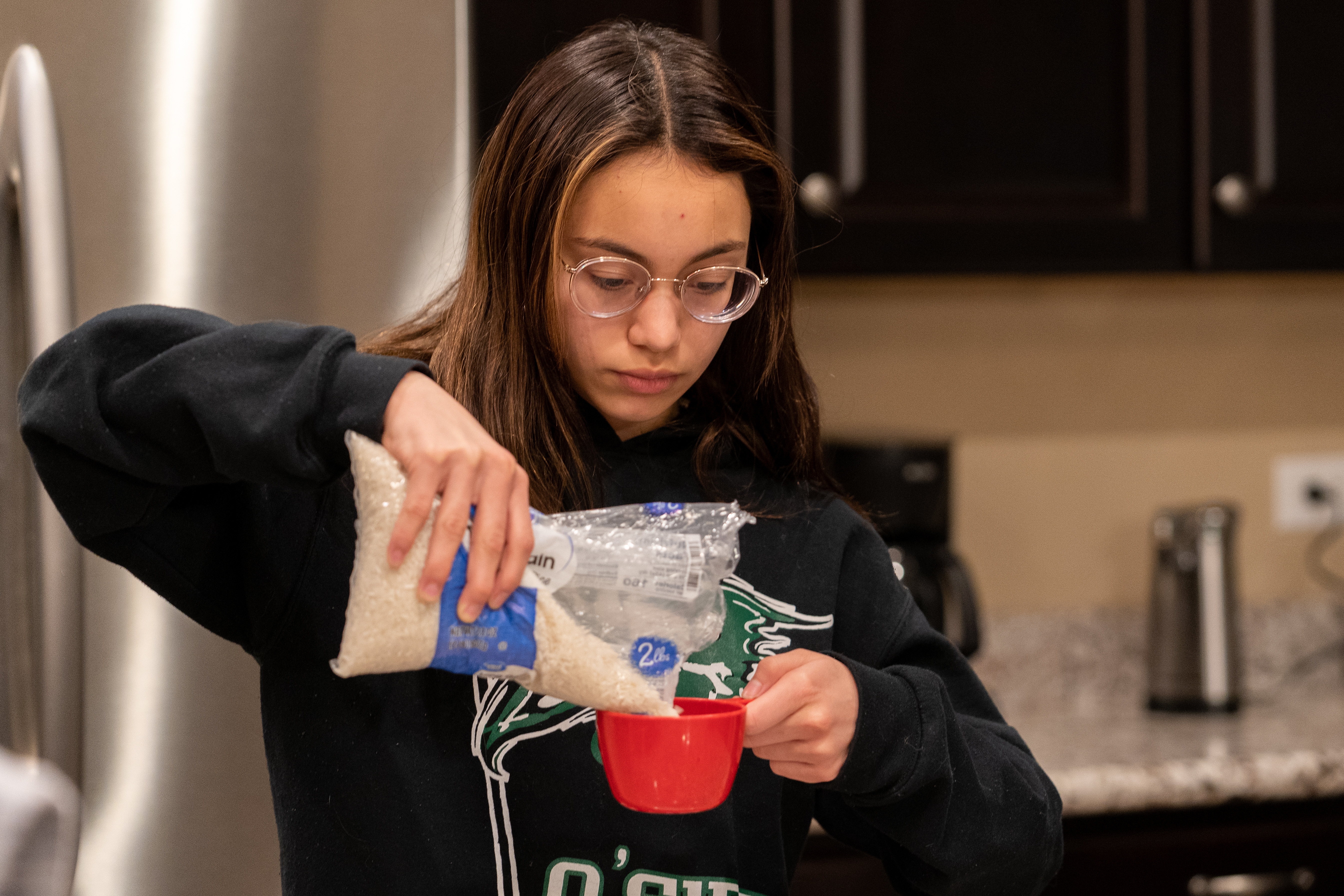
When pre-K and K–12 schools moved to remote instruction, it turned millions of parents and carers into homeschool teachers for their children. Cue the feelings of panic and confusion! As parents of multiple children, single parents, those working full time and those juggling multiple responsibilities struggled with a seemingly overwhelming burden, experts from UCLA’s Center X, based at the School of Education and Information Studies, stepped in to provide advice, reassurance and some very practical strategies.
“Remember that parents didn’t become teachers when schools closed down,” Tunette Powell, head of the UCLA Parent Empowerment Project, reminded them. “Parents have always been their children’s first teachers … and none of us are in this alone. Your neighbors are homeschooling. Your friends are homeschooling. We’re all in this together.”
“Remember that parents didn’t become teachers when schools closed down,” Tunette Powell, head of the UCLA Parent Empowerment Project, reminded them. “Parents have always been their children’s first teachers … and none of us are in this alone. Your neighbors are homeschooling. Your friends are homeschooling. We’re all in this together.”
One day at a time: A UCLA oral history
Shayan Asgharnia/UCLA
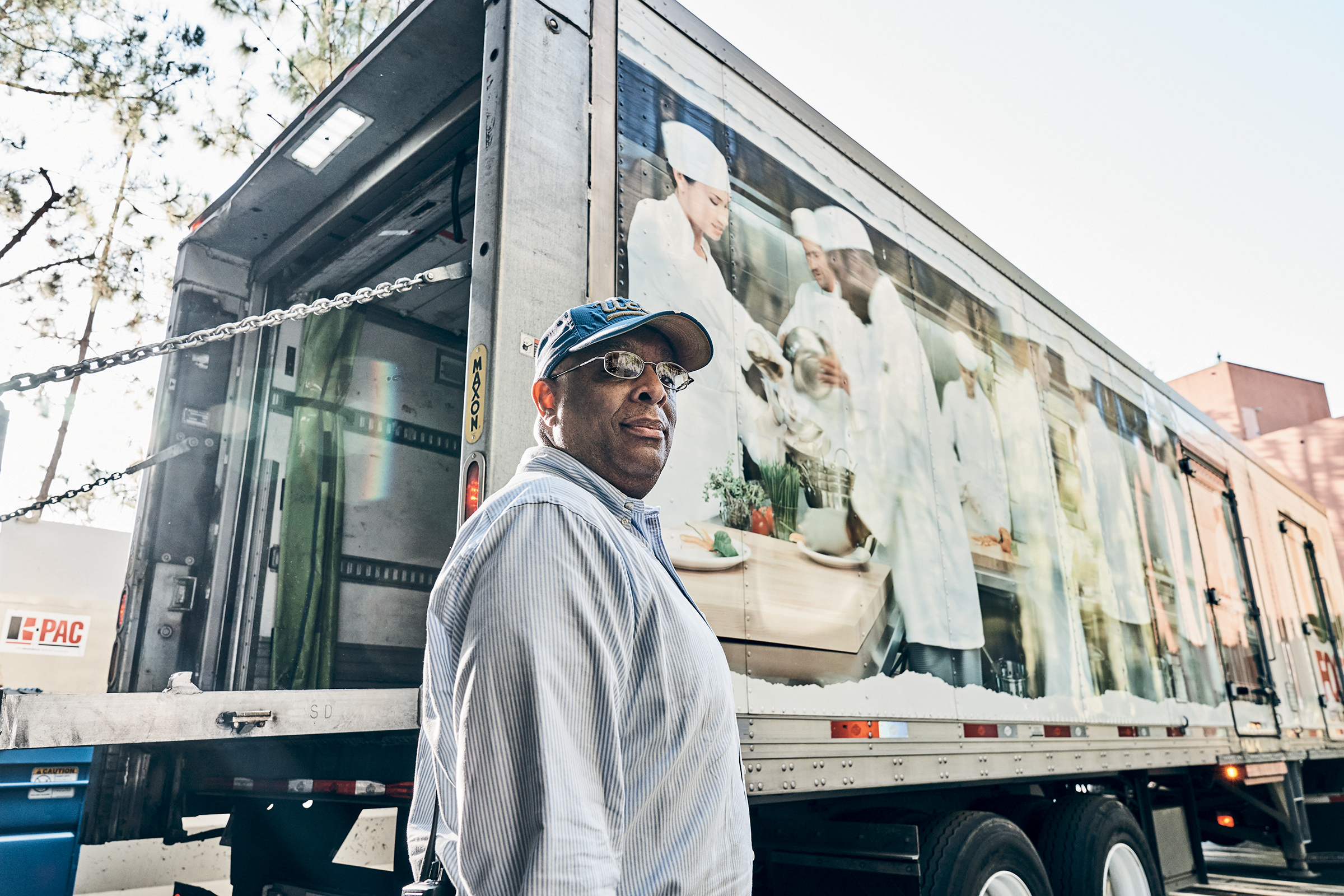
UCLA is many things at once — a center of research, an employer, a place of healing, a midsize city and a lively home of debate. All of those functions and commitments were tested as the COVID-19 crisis deepened through the summer. And yet, life persisted. UCLA Magazine captured these glimmerings of life, spirit and character — in the voices of those living them.
“Pre-COVID, we had over 14,000 residents living in our halls — that’s 32,000 meals per day,” said Charles Wilcots, associate director of UCLA Dining, who manages eight residential restaurants on the Hill. “When the pandemic hit, we had to ensure we had the right systems in place. Are we educating our employees as well as our guests? Do we have the right equipment to operate safely? We’re no longer doing self-service. We set up a lot of sanitizing stations, we’re serving in to-go containers, there’s no more inside dining and we closed some of our facilities … It’s not business as usual.”
“Pre-COVID, we had over 14,000 residents living in our halls — that’s 32,000 meals per day,” said Charles Wilcots, associate director of UCLA Dining, who manages eight residential restaurants on the Hill. “When the pandemic hit, we had to ensure we had the right systems in place. Are we educating our employees as well as our guests? Do we have the right equipment to operate safely? We’re no longer doing self-service. We set up a lot of sanitizing stations, we’re serving in to-go containers, there’s no more inside dining and we closed some of our facilities … It’s not business as usual.”
Faculty get creative to teach perspectives on the COVID-19 pandemic with Fiat Lux classes
UCLA
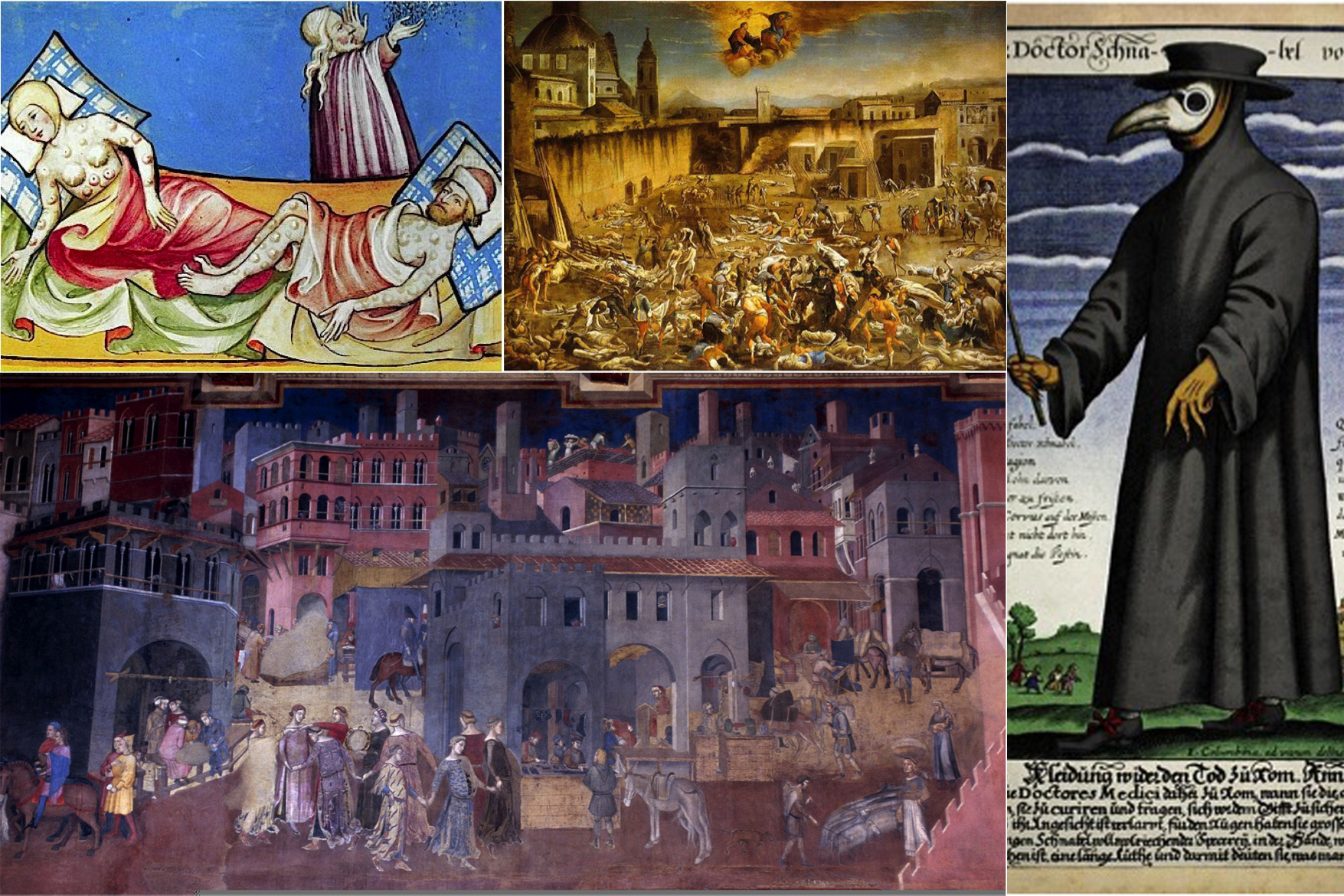
As the world grappled with COVID-19 and governments, institutions and individuals adapted to meet the moment, UCLA was forced to change not only how it taught — from late March, nearly all courses were conducted remotely — but, just as importantly, what it taught. UCLA’s Fiat Lux seminar program gave faculty and students a global, multidisciplinary perspective on the pandemic, continuing a long tradition of teaching students to better understand the complexities of the world and forming community around current events.
Faculty created 25 Fiat Lux classes with topics varying from “The Ethics of Pandemics” to “Responding to Coronavirus Through Song.” Faculty in departments spanning English, gender studies, African American studies, sociology and education all taught COVID-19 seminars. Chancellor Gene Block even led a seminar titled “University Leadership During Pandemics.”
Faculty created 25 Fiat Lux classes with topics varying from “The Ethics of Pandemics” to “Responding to Coronavirus Through Song.” Faculty in departments spanning English, gender studies, African American studies, sociology and education all taught COVID-19 seminars. Chancellor Gene Block even led a seminar titled “University Leadership During Pandemics.”
Instructors’ foresight leads to remote learning success for physics labs

UCLA
Fortunately for students in science and engineering and those majoring in life sciences, their physics professors and teaching assistants were uniquely prepared for this forced period of remote instruction. Over the past few years, the UCLA Department of Physics and Astronomy has been developing ways to improve engagement for the 3,000-plus students who take these classes each year by making the labs for these courses more student-oriented.
“The key to giving a satisfying experience to students working remotely is to offer real-time solutions as quick as possible,” said Katsushi Arisaka, a professor of physics and astronomy and of electrical and computer engineering, who emphasized how much of a team effort it has been. “That’s why we need such a good group of TAs behind the scenes.”
“The key to giving a satisfying experience to students working remotely is to offer real-time solutions as quick as possible,” said Katsushi Arisaka, a professor of physics and astronomy and of electrical and computer engineering, who emphasized how much of a team effort it has been. “That’s why we need such a good group of TAs behind the scenes.”
Through Bruin Tech Award, UCLA offers undergraduates emergency financial support for remote learning technology
Ann Johansson/UCLA
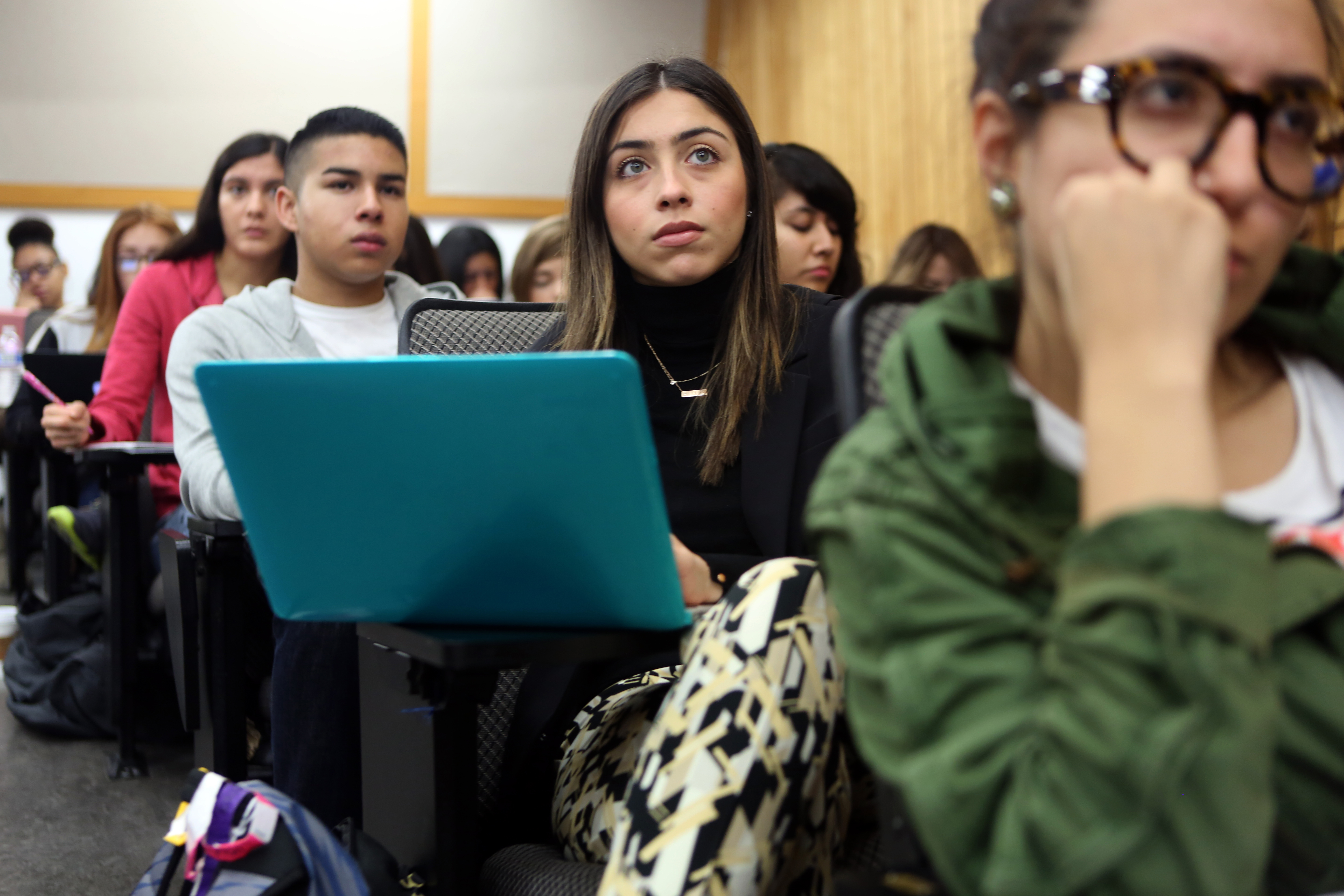
To help ensure students would have access to the computer technology they needed to be successful in a remote learning environment, UCLA launched the Bruin Tech Award. Initiated by Patricia Turner, then senior dean of UCLA College, the program offered an emergency award of up to $1,000 to support students who may not have had the technology at home needed to access online classes, such as up-to-date computers or wi-fi.
“This is an award, not a loan, that we hope will help UCLA students who may not have the resources to purchase the technology at home on their own to continue to excel in their courses in a virtual environment,” Turner said.
“This is an award, not a loan, that we hope will help UCLA students who may not have the resources to purchase the technology at home on their own to continue to excel in their courses in a virtual environment,” Turner said.
Looking back: How UCLA Housing staff adapted to keep students safe

Idriss Njike/UCLA
Of the 14,000 undergraduates who made the Hill their home during the school year, just 7% kept their housing contract through spring quarter once the pandemic hit. Staff from UCLA Housing moved quickly to process cancellations and refund payments and worked with students who left campus with their belongings in their rooms before realizing they wouldn’t be returning. Room contents were inventoried and arrangements were made in cooperation with students to ship or locally store items for those unable to personally retrieve their things. For those who remained, UCLA administrators committed to providing safe accommodations and resources.
“The speed and process of logistics was handled really well,” said Jared Faith, a resident assistant. “I was impressed with how fast I was able to move out and move into another room.”
“The speed and process of logistics was handled really well,” said Jared Faith, a resident assistant. “I was impressed with how fast I was able to move out and move into another room.”
While traditional sports sat on the bench, UCLA’s esports teams played on
Jason Keany/UCLA
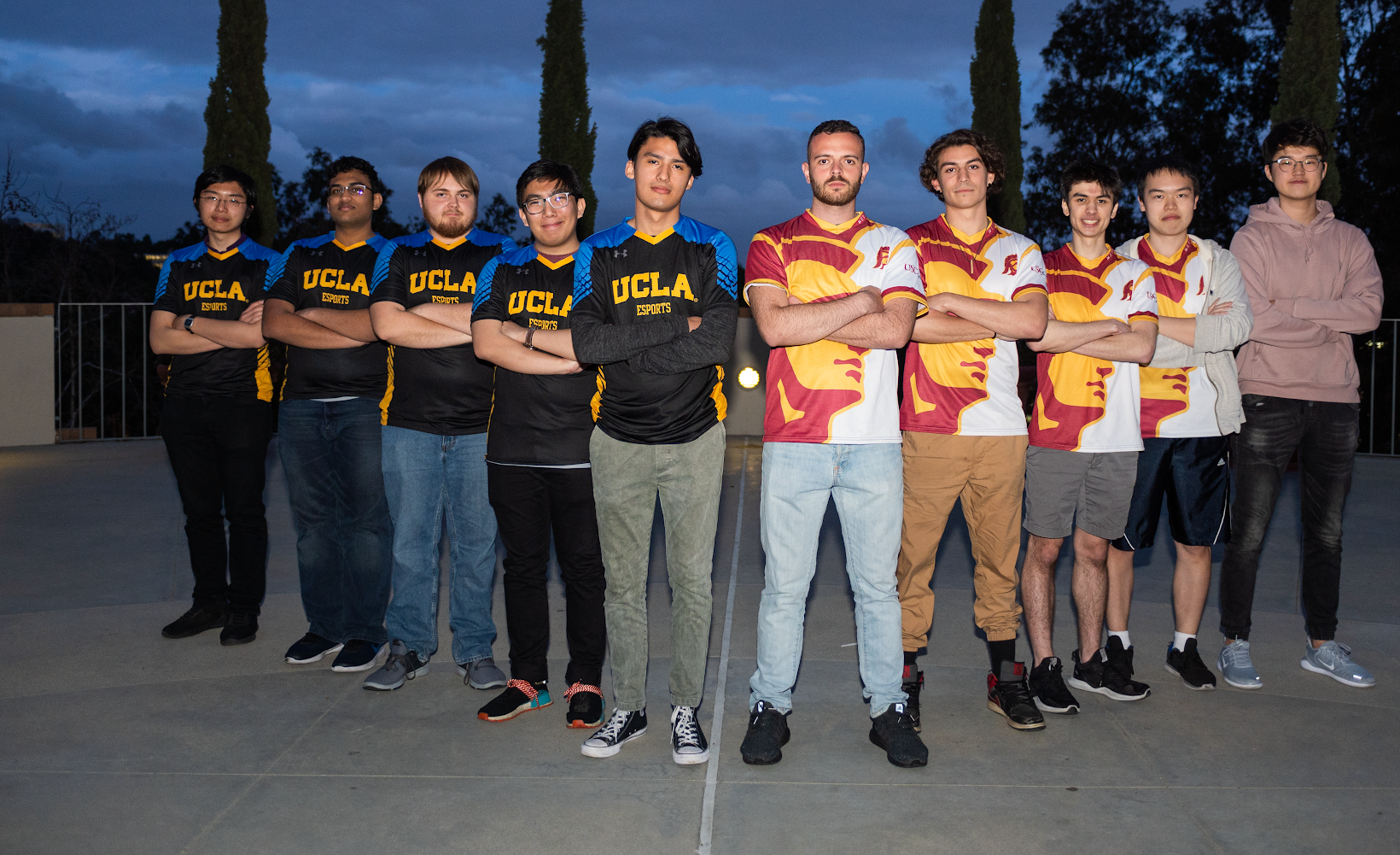
By mid-March, the COVID-19 pandemic meant that all sports had to cancel in-person practices. But while sports like basketball and baseball went on hold, UCLA’s burgeoning esports program could continue, albeit from bedrooms at home and on individual computers.
“We’re not happy that we’re the only competitive sport right now, although we’re grateful that we can operate,” said Cole Schwartz, one of two full-time esports coordinators for UCLA Recreation. “But we want to be back in the normal world. Nothing defeats the stigmas against gaming more than people of all races, classes and genders gathering in a room together to compete.”
“We’re not happy that we’re the only competitive sport right now, although we’re grateful that we can operate,” said Cole Schwartz, one of two full-time esports coordinators for UCLA Recreation. “But we want to be back in the normal world. Nothing defeats the stigmas against gaming more than people of all races, classes and genders gathering in a room together to compete.”
UCLA ‘Lights It Blue’ to show appreciation for those protecting our communities
UCLA Broadcast Studio
Buildings across campus glowed as blue beacons of hope and to honor health care workers, first responders, and all the other essential workers keeping our communities fed, protected and functional during the COVID-19 pandemic.
Royce Hall, Powell Library and Covel Commons on April 16 joined other buildings and landmarks across Los Angeles and the world as part of the #LightItBlue campaign, which takes place every Thursday.
Royce Hall, Powell Library and Covel Commons on April 16 joined other buildings and landmarks across Los Angeles and the world as part of the #LightItBlue campaign, which takes place every Thursday.



