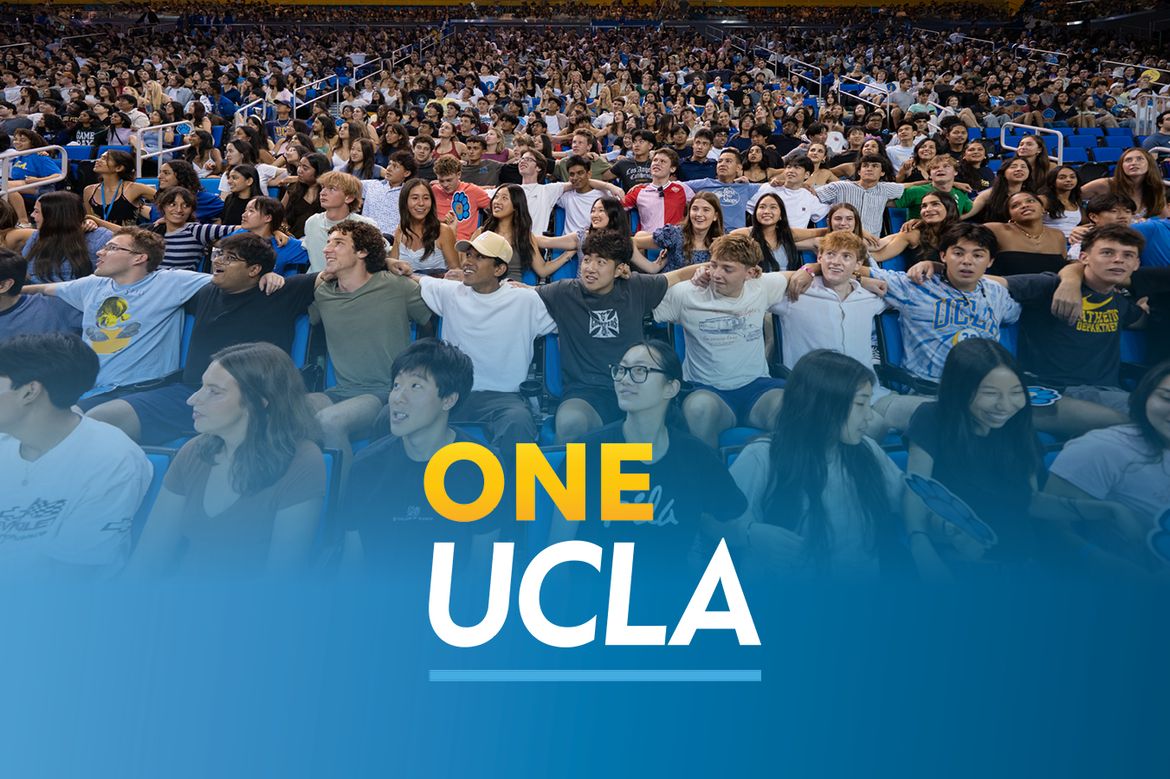
Chancellor Julio Frenk’s wide-ranging UCLA Connects: Listening Exercise in 2025 helped shape a forward-looking and inclusive vision for UCLA’s future. The vision, called One UCLA, is guided by three principles: to be connective, impactful and exemplary.
One UCLA comes to life through four flagship initiatives that support the goals of UCLA’s 2023–28 Strategic Plan: UCLA Connects, building connections within and beyond our campus; UCLA Research & Innovation Blueprint, which aims to create a more integrated and collaborative innovation ecosystem across Southern California and beyond; UCLA for Life, reimagining the university’s educational mission as a lifelong partnership with learners; and Effective UCLA, which aims to advance and align UCLA’s administrative functions to operate more efficiently, transparently and in closer partnership with the needs of our campus community.
This spotlight series is part of an ongoing effort to highlight the “people behind the plan” — Bruins who are creating the future at UCLA by advancing the strategic plan’s goals and priorities. Please check back often.
Nicole Presley champions student mental health and resilience across UCLA
UCLA is a family affair for Nicole Presley, who received her bachelor’s in psychology in 1997 — her father and sister are also Bruins. After earning a master’s in education and a doctorate in counseling psychology, Presley returned to Westwood in 2004 to intern with UCLA’s Counseling and Psychological Services.
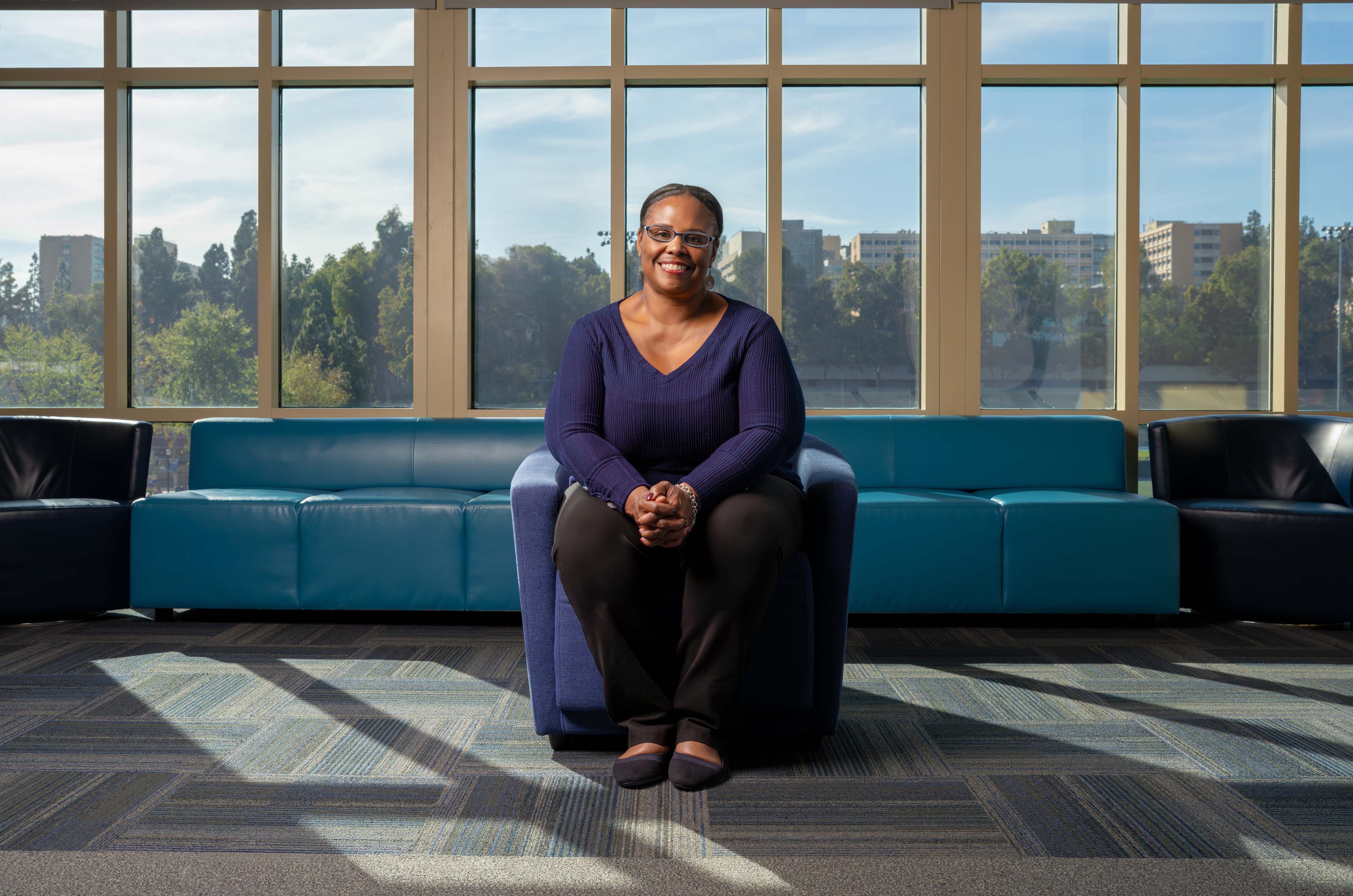
Today, as UCLA’s senior executive director of student resilience and mental health services, she oversees several mental wellness and support programs for the Bruin community. Presley also co-chairs UCLA Connects: Campus Community Conversations with David Myers, UCLA’s Sady and Ludwig Kahn Professor of Jewish History and director of the Bedari Kindness Institute.
Campus Community Conversations gives the Bruin community the chance to build connections and engage in tough discussions, Presley says. She noticed students showing strong feelings or reactions to current events and public figures — but not having someone to call or lean on for dialogue.
“We have two main goals for Campus Community Conversations. First, we want to hear about the conversations happening across campus so we can build connections and engage,” Presley said. “The second goal is to give people new opportunities to connect within and across the Bruin community in meaningful ways, so they can start engaging in tough conversations.”
Kathryn Paul is advancing UCLA’s ‘glocal’ vision for the future
As assistant vice provost for international studies and global engagement at the UCLA International Institute, Kathryn Paul plays a pivotal role in expanding UCLA’s global presence, helping to shape international strategy, partnerships and programs tied to Goal 2 of the university’s strategic plan.
Her work has focused heavily on building and managing international agreements that span global research, student and faculty exchanges, training programs, and cultural initiatives. And as part of her strategic plan efforts, she co-leads the Global Advisors Council, a cross-campus network that tracks international activity, highlights global research and develops new pathways for study abroad and globally engaged curricula.
Central to UCLA’s international vision, Paul said, is the idea that the university’s global connections have strong local impacts in Los Angeles, a metropolis with a rich tapestry of racial, ethnic and religious communities and some of the largest diasporic populations in the world.
“At UCLA,” she said, “'international’ doesn’t just mean ‘another country outside of the United States.’ We saw faculty working on local issues with an international impact and vice versa — work on international problems had a local impact. Los Angeles itself is an international, or ‘glocal,’ city, and this framing helped us expand our strategic goals to connect faculty internationally and locally.”
Michelle Caswell works to expand community-engaged scholarship and research
Early in her career, Michelle Caswell was on track to become a religious studies professor. But her love of research, writing and archiving ultimately led her in a different direction — she went back to school and earned a doctorate in library and information studies.
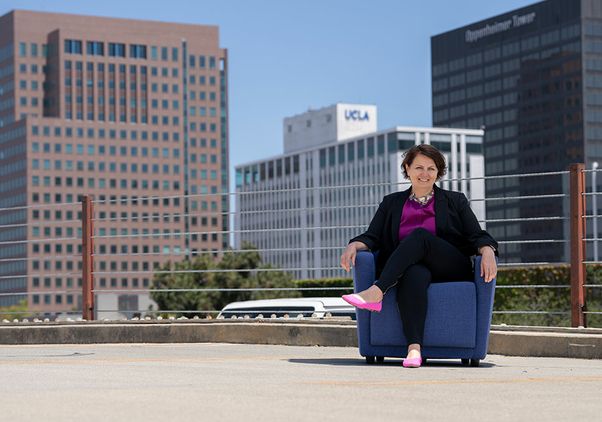
Today, Caswell is a professor of information studies at UCLA and is the founder and co-director of the UCLA Community Archives Lab, facilitates community-led research and features paid internships at local community archives through a Mellon Foundation grant.
She is also a special advisor to Executive Vice Chancellor and Provost Darnell Hunt on community-engaged scholarship, focused on furthering the aims of Goal 1 of UCLA’s strategic plan: deepening the university’s engagement with Los Angeles. To that end, she co-chairs two groups informing UCLA policy and expanding the university’s scholarship in collaboration with community partners across the region.
“My focus is ensuring that community-engaged research is done with communities rather than about them,” Caswell said.
Claire Chaumont tasked with driving execution of UCLA’s strategic plan
For the past 20 years, Claire Chaumont has led policy initiatives at institutions like Harvard, the World Health Organization and UNICEF as a public health strategist, which is no easy task. Now, as UCLA’s special advisor to the chancellor for strategic plan initiatives, she is driving the overall execution of the UCLA strategic plan.
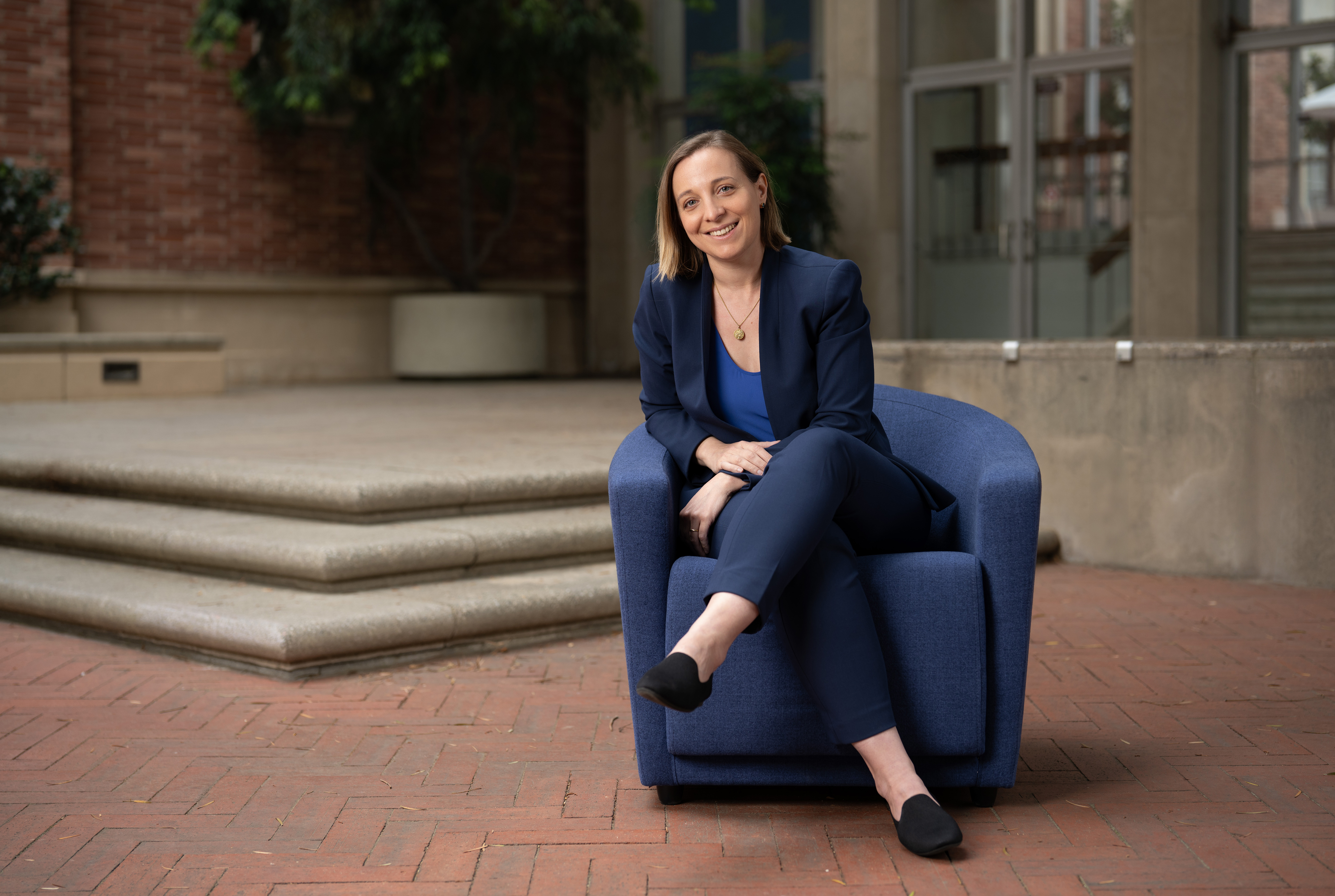
She enjoys finding the sweet spot between strategy and implementation. “People often have a clear sense of what they need to do and what’s required,” Chaumont said. “In public health, for example, things are very evidence-based. We know what the interventions are, but there is always the question of how we’re going to engage people, pull it off and make it work.”
To help make sure UCLA stays on track to reach its goals by 2028, she is driving the strategic plan forward, solving issues as they arise, and helping leaders across the university’s schools and units build connections. Here, she talks about her vision and goals for the strategic plan.
“I joined UCLA to set up a small Strategy Execution Team and work alongside Chancellor Frenk, the senior leadership team, the five goal group leaders and stakeholders across the university to make certain the strategic plan is fully implemented by 2028,” Chaumont said. “We’re not focused on day-to-day operations; instead, we’re laser focused on long-term transformation.”
To jumpstart UCLA South Bay, Steve Yu embraces ‘other duties as assigned’
After UCLA acquired its South Bay campus in Rancho Palos Verdes in September 2022, university leaders turned to longtime campus administrator Steve Yu.
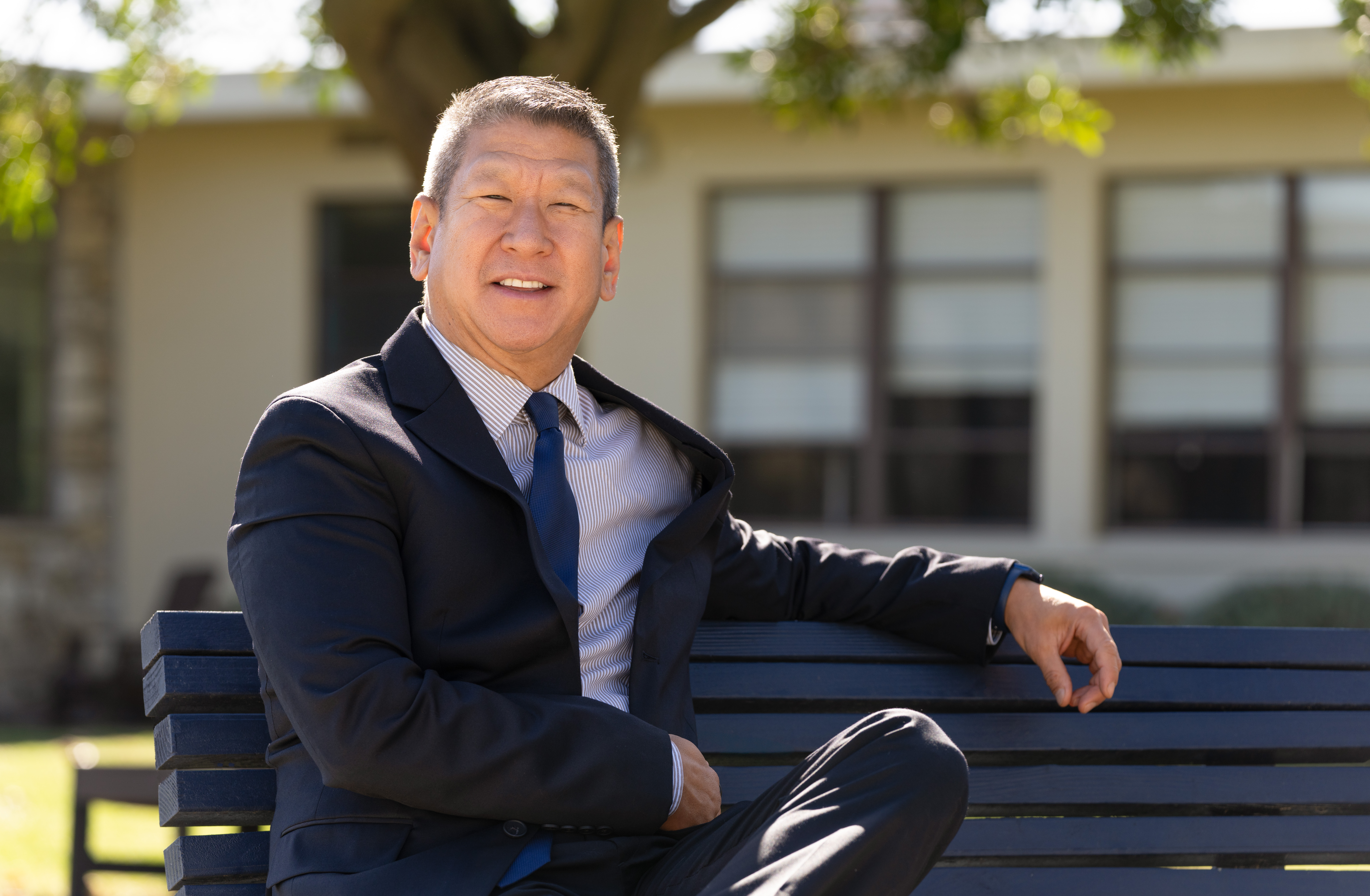
“I thought I'd cruise into retirement, kind of easy-peasy. And then the chancellor’s office came knocking on my door for this new position,” said Yu, who’s also a UCLA alumnus. “I couldn't say no. This [was an] opportunity to be entrepreneurial, kind of like a startup, but within the context of this bureaucratic, well-established, policy-driven university. So, I said, ‘Yeah, let’s go for it. Let’s make history!’”
In the short time Yu has been at the helm as UCLA South Bay’s chief financial officer and chief operating officer, he and his team have been busy cementing the new campus’s infrastructure — its finances, operations and community relations. And with doors slated to open as soon as the curriculum has been established, he has been wearing many hats to position the campus to serve students in the way the Westwood campus does.
‘Four walls don’t make a classroom’: Joe Way is transforming learning technology
On paper, Joe Way’s job at UCLA might sound like he’s implementing wall-sized transparent computer screens and holographic telepresence on campus. And if that technology were readily available today, there’s no doubt he would be bringing it to Westwood.
Until then, UCLA’s executive director of digital spaces is working to make technology more consistent across campus and planning future digital infrastructure to benefit the Bruin community. Think video systems in residence halls — similar to those in hotels — that learn users’ habits and needs or digital wayfinding signage that better integrates emergency messaging on campus.
Way, who joined UCLA almost a year ago, has plenty of experience in educational technology. His current role in UCLA IT Services was created to help lead the Digital Campus Roadmap — an initiative providing the pathway for an information technology support model that helps advance Goal 4 of the UCLA’s strategic plan: to elevate teaching in a way that centers on inclusive excellence.
“Four walls don’t make a classroom: Learning can happen anywhere,” said Way.
Brija Johnson is helping expand UCLA’s entrepreneurial ties in the region
The process of commercializing solutions coming out of UCLA starts long before the paperwork and lawyers. Bringing the campus’s innovations to market, and ensuring its growth and service to the community, begins with the people who sow seeds of collaboration between Bruin networks and who see to it that these pathways continue to grow.
One of these people is Brija Johnson, executive director of UCLA Ventures and its community of UCLA entrepreneurs and venture capitalists that supports UCLA's entrepreneurial ecosystem. The program moved under the UCLA Technology Development Group in 2023, at which point Johnson, who had been with the group as a technology scouting manager since 2021, inherited the venture program’s 209 members made up of alumni, friends and affiliates of the university.
A new program Johnson is heading, Bruin Founders, will launch this spring, offering aspiring entrepreneurs and innovators one year of guidance from mentors and support from alumni and affiliates. Newsroom spoke with Johnson about the mentor-in-residence program model, plus how her unit sets the groundwork for inspiring the next generation of Bruin entrepreneurs to help advance Goal 1 of UCLA’s strategic plan: to deepen the university’s engagement with Los Angeles.
Kaya Mentesoglu’s technological creativity helps UCLA map its global impact
For more than two decades, Kaya Mentesoglu has served UCLA’s International Institute with key IT technology support, including creating and enhancing the web presences for the institute’s many centers and programs.
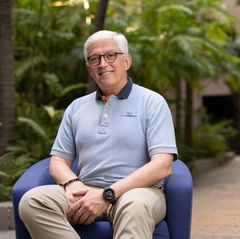
Directly supporting Goal 2 of the UCLA strategic plan — expanding our reach as a global university — Kaya is developing exciting, multi-dimensional ways to bring our worldwide impact to life. Here, he discusses his work as a digital storyteller and pride in his true Bruin family.
“My work includes leading a data team that directly supports UCLA’s strategic goal to expand our reach as a global university,” Mentesoglu said. “We are actively building on an existing data warehouse and collecting numbers, facts and impact stories. The International Institute’s activities, specifically our interactive global map, address some of the near-term priorities of the strategic plan, including coordinating global activities across UCLA and assessing and documenting the impacts of UCLA’s global engagement.”
Gerrie Zvara leads continuous process improvement for more effective, efficient campus
With 18 years of service at UCLA, Gerrie Zvara is now assistant director for organizational effectiveness and development with UCLA Administration. In that role, she is leading the “continuous process improvement” effort to advance Goal 5 of the UCLA strategic plan: become a more effective institution.
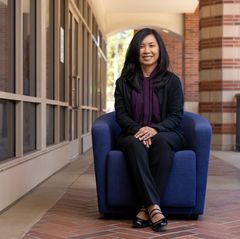
“I lead a team under Administrative Vice Chancellor Michael Beck that supports all nine of the operational functions within the unit, with relation to strategic planning, continuous process improvement, change management and leadership development.
“In my role, I lead the implementation of key initiatives that are designed to create a high-performing work environment for UCLA Administration. We gather data to assess levels of engagement and work conditions to ensure a productive workforce. We partner with departments to look for ways to operate more efficiently and effectively and to focus on developing our future leaders.”



