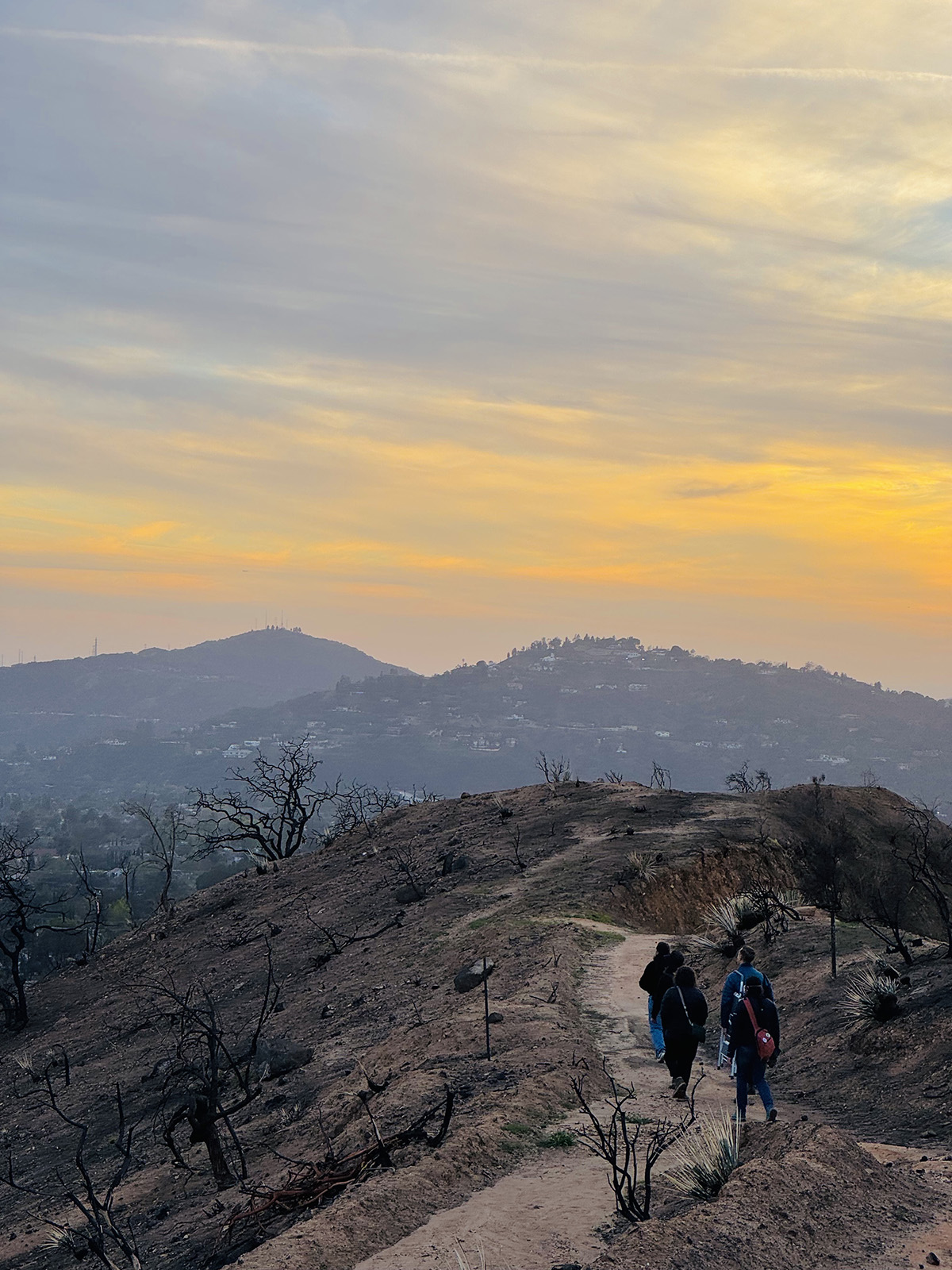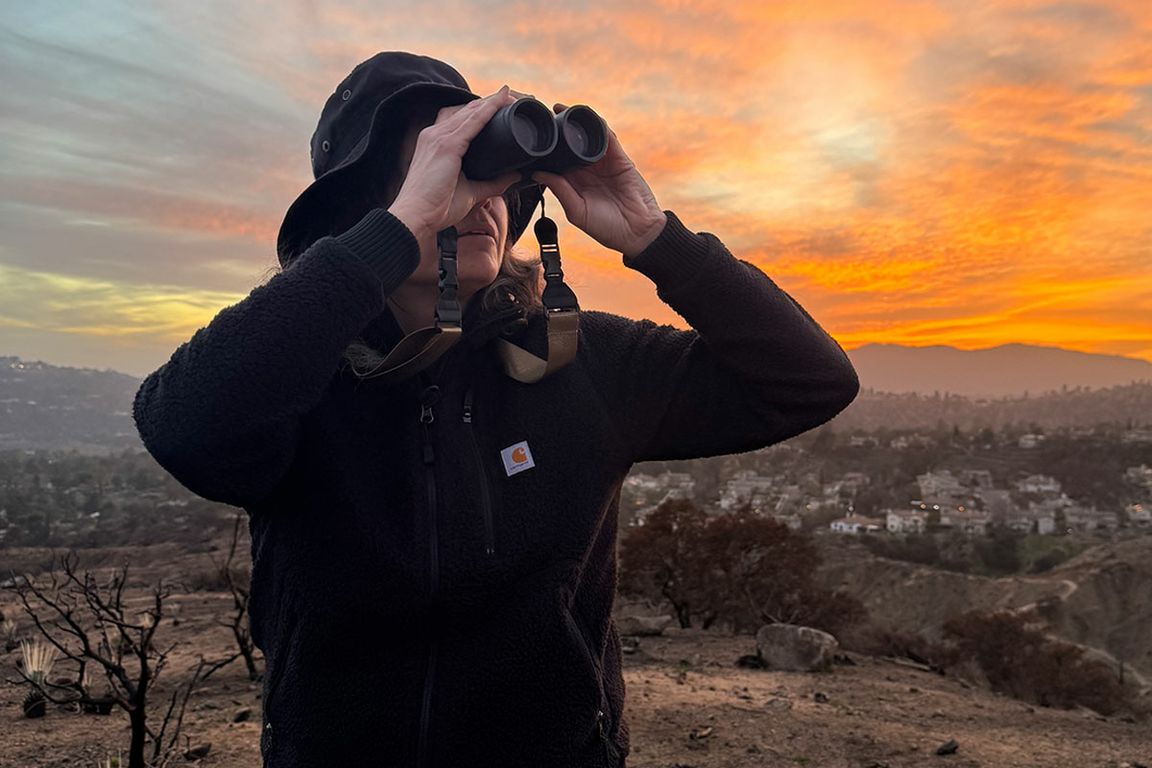

Three months after the Eaton fire stripped the mountains around Altadena bare, they are starting to come back to life. As the process begins, UCLA researchers are taking part in the effort to monitor plant and wildlife recovery in the Chaney Trail Corridor, located northwest of Eaton Canyon.
Bobcats, coyotes, deer, squirrels, owls and other animals are returning to the area, said Kristen Ochoa, an associate clinical professor of psychiatry at the UCLA David Geffen School of Medicine and the founder of the Chaney Trail Corridor Project. The group has shared video from trail cameras they’ve placed on the Chaney Trail Corridor Instagram, showing the return of animals.
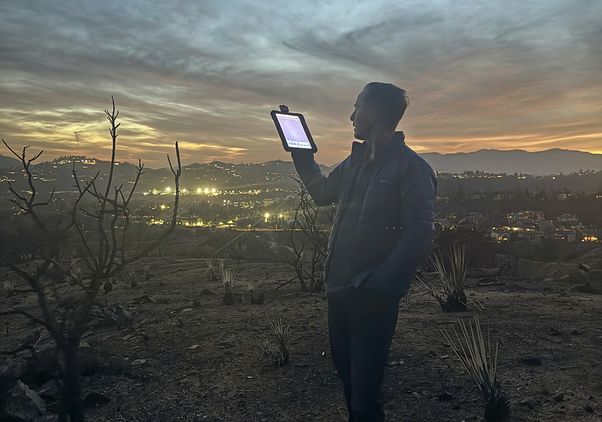
Joseph Curti, a postdoctoral fellow at the UCLA La Kretz Center for California Conservation Science and one of the group’s biologists, has been researching the response of bats to wildfires. Curti, who is also a bat biologist, demonstrated in the Instagram video the placement of an ultrasonic bat detector that will help them gather acoustic data that can be compared to data gathered before the fire by Chaney Trail volunteers. This will help biologists learn more about how bats respond to wildfires in chaparral and coastal sage scrub habitats.
The Chaney Trail Corridor Project was founded in response to the pending development of a 78-acre property in the Altadena foothills comprised mostly of wildland adjacent to the Angeles National Forest. The group was working with professional and community scientists on environmental impact issues when the Eaton fire occurred. Equipped with biological data collected just before the fire, the Project is in a unique position to measure changes in post-fire wildlife presence and activity and share the recovery process with Altadena, a community deeply connected to its wildland and with a long history of land conservation.
Since the fire, project volunteers, many of whom were affected by it, have found solace in gathering to record the corridor’s recovery. Community members have shared that the group’s efforts to document recovery in this natural area following the Eaton fire have brought hope at a time of tragedy for Altadena.
Currently, Curti has deployed the acoustic bat detector in areas where the group had previously documented bat activity. Ultimately, the project aims to understand which species of bats are first to return to the area, if they are using the space as simply a movement corridor or as a place to forage for insects, and if there are differences in activity in the months following the fire. This work complements Curti’s existing research on how bat species persist within the urban environment of Los Angeles.
Community members wishing to stay informed of the group’s work can visit this website where the group will be posting regular updates on their findings.