“How to Make the Universe Right” presents a stunning installation of painted religious scrolls, ceremonial clothing, and ritual objects of the Yao, Tày, Sán Dìu, Sán Chay among others.
Chai Energy and UCLA Luskin Center for Innovation are conducting a pilot study that could help consumers monitor their electricity usage and avoid peak pricing.
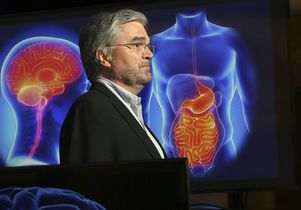
Dr. Mayer and a growing number of colleagues at UCLA and around the world who are interested in the mind-gut connection have been buoyed by the emerging evidence coming from studies of the gut microbiome.
Under the new policy job applicants will no longer be asked to check a box on the initial employment application indicating whether they have been convicted of a crime.
Three urban planning professors note that L.A. has more land, and land value, than development, so a small land tax could raise more money for affordable housing.
UCLA digital humanities students built a website and database that sparked a curator to develop “Center Stage: African American Women in Silent Race Films.”
UCLA professor of social welfare co-authored new report showing that more than half of people succeed in discontinuing usage of psychiatric medications.
This study shows that the orbital atherectomy procedure can offer individuals with peripheral artery disease an effective alternative to standard surgery.
As these communities rapidly gentrify, spurred in part by extension of the region’s rail network, soaring rents are pushing out the newest generation of immigrants and threatening their businesses.
“Lineage through Landscape: Tracing Egun in Brazil by Fran Siegel,” a large-scale multifaceted drawing installation by Los Angeles-based artist Fran Siegel runs July 23 through Dec. 10.
Fueled by her experiences, Aradhna Tripati has helped create the Center for Diverse Leadership in Science, which will provide opportunities for underrepresented minorities.
As a nutritional epidemiologist devoted to prevention, Karin Michels has spent much of her career studying how health can be optimized through a proper diet.
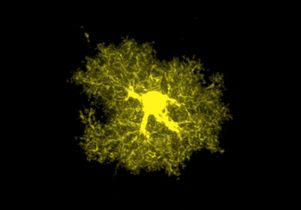
UCLA researchers upend a long-standing idea that the star-shaped brain cells cannot be differentiated from each other. The results should make it easier for researchers to study how astrocytes relate to disease.