Pilot program teaches healthy eating and cooking skills to students in the David Geffen School of Medicine at UCLA, Fielding School of Public Health, the School of Dentistry and the School of Nursing.
The treatment tested in mice disrupts and exploits glucose intake, essentially cutting off the tumor’s nutrients and energy supply. The approach prevents the glioblastoma from growing.
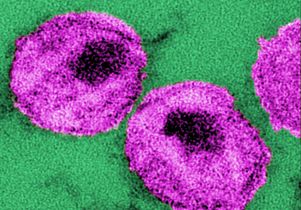
A team of researchers from the UCLA Center for AIDS Research, Stanford University and the National Institutes of Health developed a synthetic molecule that could awaken dormant virus cells and then knock them out.
The donation resulted from a fundraising effort launched by Dr. Howard Park, a graduate of the school’s postgraduate training program and a part-time faculty member.
The findings suggest that keeping a close watch for signs of anxiety, depression and other difficulties and educating the child’s peers about their condition may be necessary for this age group.
Three in five of the poorest, sickest residents in L.A. County opted out of a managed health care program meant to improve their access to health services.
The results bolster the argument for making cognitive behavioral therapy more widely available for treating the disorder, which affects more than one in 50 people in the U.S.
The voluntary service announced by Chancellor Gene Block will eventually be made available to the entire campus community, including those receiving care through UCLA Health.
UCLA researchers intend to develop devices to help patients easily conduct their own health screenings and help doctors be aware of their patients’ long-term risks.
The alliance of five UC medical centers will conduct clinical trials and study precision medicine, population health science, best practices in harnessing big data to improve health and political engagement for public benefit.
Dr. Jonathan Fielding summarizes a host of recent findings showing how a healthful diet, regular physical activity and proper amounts of sleep affect cognitive health.
The combination therapy could provide an alternative for people whose tumors don’t respond to other treatments, and it’s being tested for head, neck and colon cancers.