The finding that heart failure is linked to how DNA is packaged within heart cells represents a new way to think about the development of heart disease and its treatment.
Using traditional medical imaging processes the inflammation that sometimes results from immunotherapies can resemble neurological decline and tumor growth.
The study suggests a new possible framework for treating people with familial hypercholesterolemia, an inherited condition characterized by extremely high levels of LDL, the so-called “bad cholesterol.”
UCLA researchers’ study using zebrafish shows how the disease turns a repair mechanism into one that damages nerve cells. The findings could lead to treatments to prevent nerve damage in leprosy and other diseases.
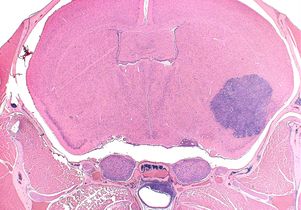
Findings from the research, led by UCLA’s Dr. Marco Giovannini, will be used to refine and develop new therapies and treatments, which could benefit young children and adults with these syndromes.
The research may lead to new drugs that could promote hair growth for people with baldness or alopecia, which is hair loss linked to such factors such as hormonal imbalance, stress, aging or chemotherapy.
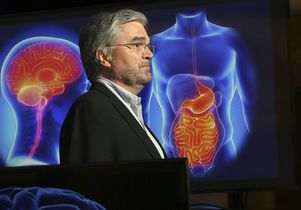
Dr. Mayer and a growing number of colleagues at UCLA and around the world who are interested in the mind-gut connection have been buoyed by the emerging evidence coming from studies of the gut microbiome.