UCLA is No. 2 among American public universities and No. 10 in the world, according to the U.S. News and World Report 2017 Best Global Universities rankings, published today.
The findings could provide scientists with a better understanding of how the brain goes awry in conditions like learning disorders and social anxiety disorder.
Parents doing things like isolating a child from all activity or waking a child from sleep to check in could actually be making their child’s symptoms worse.
The findings could also help speed research of CTE, helping scientists better understand its prevalence in the population and in studying potential therapies.
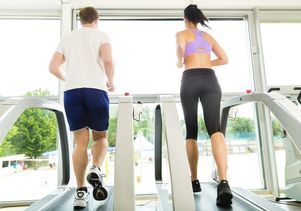
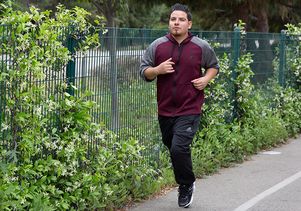
UCLA researchers found that physical activity particularly affected the size of the hippocampus, which is the part of the brain controlling short-term memory.
UCLA scientists use brain imaging to show that social media approval activates the same areas in teens’ brains as eating a favorite food or winning a competition.
Inner peace and a flexible body may not be the most valuable benefits that yoga and meditation have to offer, suggests new research by a UCLA-led team of neuroscientists.
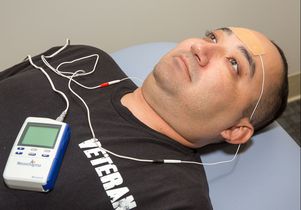
With decades of experience in helping people with psychosis regain their place in society, UCLA neuroscientist Michael Green and his team of 10 psychiatrists, psychologists and other neuroscientists will look for ways to help formerly homeless veterans make the same transition.
By temporarily inactivating a part of the brain involved in impulse control, the researchers discovered compelling evidence that humans are predisposed to be generous to others.
People with obstructive sleep apnea show significant changes in the levels of two neurotransmitters, which could explain some of the symptoms that affect patients’ daily lives.
Scientists have pinpointed two tiny clusters of neurons that are responsible for transforming normal breaths into sighs, which could one day allow physicians to treat patients who cannot breathe deeply on their own.
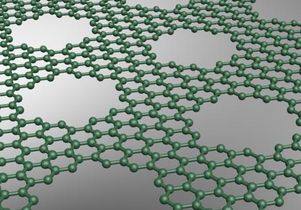
The advance could make it much more efficient to build nanoelectronic and nanobioelectronic devices that could measure brain cell and circuit function in real time.
The founding director of UCLA’s Ahmanson-Lovelace Brain Mapping Center is now vice chancellor for UCLA Health Sciences and chief executive officer of UCLA Health. And he’s still in awe of the brain and its complicated choreography.