Ivo Welch notes that the energy consumption to fuel the digital currency is equivalent to the consumption of just fewer than 2 million average U.S. households.
The research may lead to new drugs that could promote hair growth for people with baldness or alopecia, which is hair loss linked to such factors such as hormonal imbalance, stress, aging or chemotherapy.
“The dream is to have an array of hundreds or thousands of qubits all working together to solve a difficult problem,” said graduate student Joshua Schoenfield. “This work is an important step toward realizing that dream.”
Math often gets a bad rap as an uncreative left brain-oriented activity, but Andrea Bertozzi recalls that, as a child, she was fascinated by math's creative potential.
Q&A with UCLA professor Sarah Roberts, who has pioneered the study of the toll screening objectionable online content takes on the people who have to do it.
“Climate Lab” — a six-episode video series on climate change from Vox and the University of California — is already getting plenty of attention although it's just getting started.
The funds will support the researchers’ efforts to develop a process for capturing carbon dioxide and converting it into a material that can be used in building and construction.
Rankings by the Milken Institute put UCLA No. 1 in the nation when it comes to the number of startup companies launched as a result of campus research, no. 15 overall.
Ramesh Srinivasan, an associate professor of information studies, has studied revolutions in Egypt and Kyrgyzstan and the role of digital media in supporting indigenous communities.
The program drew from the expertise of more than two dozen speakers from film and television studios, law firms, talent agencies, new media powerhouses and venture capital companies.
Anke Audenaert, an assistant adjunct professor of marketing at UCLA’s Anderson School, never planned on working in the tech industry. But after spending more than 15 years working at various tech companies, she has charted a path to success in that field.
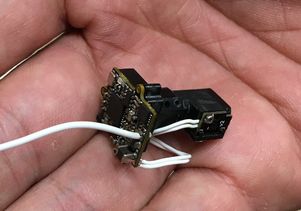
The device, developed by UCLA’s Aydogan Ozcan and colleagues in Sweden, could be manufactured for less than $500 each — far less expensive than the equipment that labs use for the same tests.