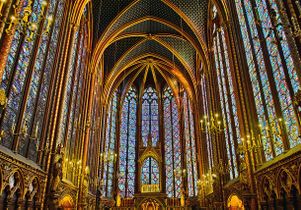
In a new book, UCLA art historian Meredith Cohen shows that the rich history and cultural significance of the 13th century Gothic chapel are equal in importance to its artistic merits.
Allyson Nadia Field writes about how 100 years ago the racist film inspired black filmmakers to respond and that the film still resonates because the country still grapples with achieving racial justice.
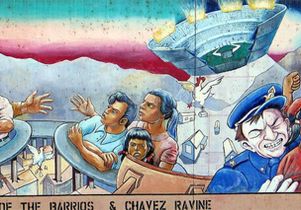
A new book by UCLA urban historian Eric Avila gives voice to the opponents of highway construction in the 1950s, ’60s and ’70s and, in particular, in communities of color.
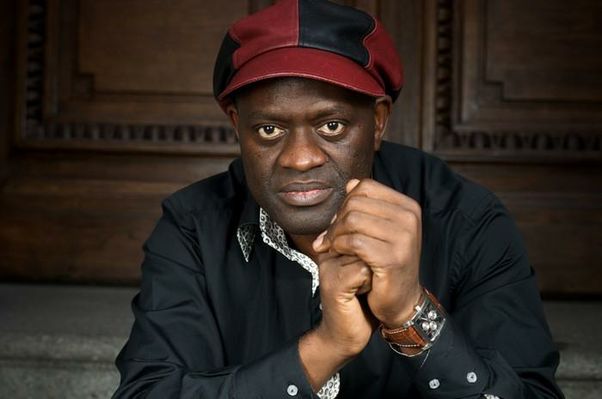
“Letter to Jimmy,” Alain Mabanckou’s much-lauded book, is a fitting tribute to the pivotal American essayist, activist and playwright, author of the novel, “Go Tell It on the Mountain” and a collection of essays, “Notes of a Native Son,” among other major works.
In a forthcoming book, UCLA classics professor Kathryn Morgan shows how a tyrant who ruled an influential ancient Greek colony in the early part of the fifth century B.C. tried to bolster his position by trumpeting the successes of his horses in chariot races.
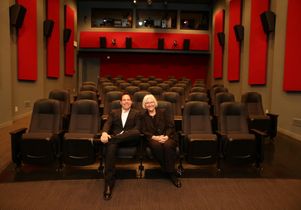
A gift by television creator and executive producer Darren Star has made possible the renovation of a 54-seat screening room at the UCLA School of Theater, Film and Television.
A lost recording of a 50-year-old speech delivered at UCLA by the late civil rights leader Martin Luther King Jr. has been unearthed in a storage room and put online.
Some of the world’s most talented, up-and-coming young jazz musicians call UCLA home as students and fellows of the Thelonious Monk Institute of Jazz Performance.
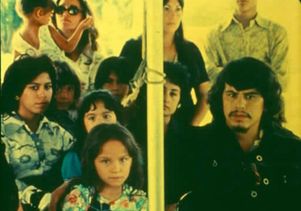
The first Chicano feature film, “Please, Don’t Bury Me Alive!,” was recently added to the National Film Registry. It was thought to have been lost or destroyed until UCLA professor Chon Noriega got in touch with its creator and had the only copy of it restored.
The year 2014 featured the debut of a multi-year fundraising campaign, research breakthroughs, stunning achievements by students and faculty — and an unexpected flood that impacted the campus for months. We call that a momentous year.
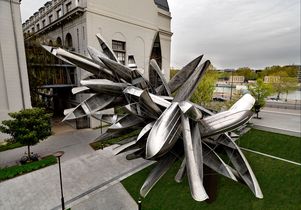
The Hammer will debut its first offsite exhibition, “Charles Gaines: Librettos: Manuel de Falla/Stokely Carmichael,” Feb. 28 on a new art and social service campus in Los Angeles’ Leimert Park.
The Smithsonian’s National Museum of American History has acquired objects that represent the work of world-renowned painter and muralist Judith Baca, a professor in the UCLA César E. Chávez Department of Chicana and Chicano Studies.
UCLA’s Hitoshi Abe is among those whose work is featured in an exhibit detailing nontraditional ways architects have helped rebuild the coast of Eastern Japan following the devastating tsunami of 2011.
For more than 20 years, professor David Gere of the Department of World Arts and Cultures has been using art and a network of artists to communicate his message about ending the AIDS epidemic around the world. Are we any closer to making that happen?
Lucretia Stinnette, a graduate student filmmaker in the School of Theater, Film and Television, made a short film about a mail-order bride from Vietnam after teaching English in South Korea to such women.
With an office full of antique projectors known as “magic lanterns” and a conviction to retell media history, Erkki Huhtamo has pioneered the field of media archaeology.
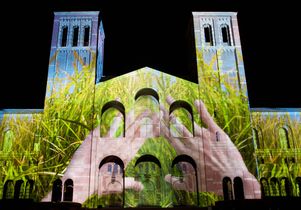
Digital media artist Refik Anadol and UCLA design students will produce an explosion of images aligned with the gestures and body language of LA Philharmonic conductor Esa-Pekka Salonen.
That most people have never heard of Hatshepsut — a pharaoh of ancient Egypt, who was the greatest female ruler of the ancient world — is emblematic of the challenges women have always faced in politics, writes UCLA Egyptologist Kara Cooney.
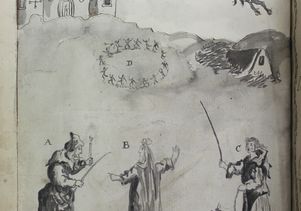
UCLA’s William Andrews Clark Memorial Library urges you to consult a 1665 treatise on the seven signs that witchcraft or necromancy is behind your ailments.