At a Zócalo/UCLA Downtown event, experts discussed how much sea level rise we can expect, how we balance public and private concerns, and how we can reduce additional risk.
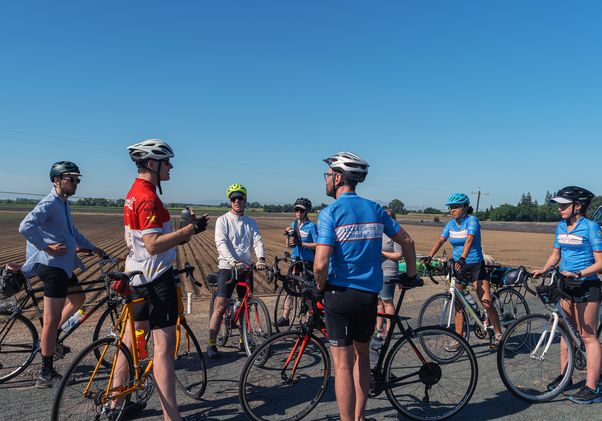
The California Climate Expedition — led by climate scientist Alex Hall — grants riders the chance to experience climate change impacts from Oakland to Los Angeles.
The findings have implications for the conservation of rare and endangered species, in which low genetic diversity could increase the odds of extinction.
If the same change were made by all of the U.S., it would account for one-third of the greenhouse gas reduction prescribed in the 2013 President’s Climate Action Plan.
The trend places additional stress on wildlife ecosystems and resources that the approximately 24 million people living in Southern California need to survive.
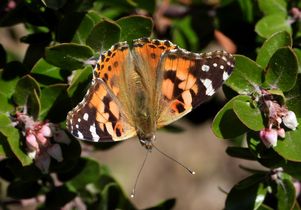
Ecologist Jeff Holmquist explains why there are so many painted lady butterflies in Southern California this year — and why he’s betting on this species despite climate change.
The announcement by Los Angeles officials that the city would recycle 100 percent of its wastewater by 2035 aligns with the UCLA Sustainable LA Grand Challenge.
“This is a pervasive, global problem.... It’s in all types of landscapes — urban, rural and even untouched environments,” says Seth Riley, a co-author of the research.
The 24-year-old entrepreneur invented a process that breaks the chemical bonds between plastic molecules, turning material that would otherwise be nonrecyclable into valuable chemicals.
Without changes being made by 2040, the report found, certain locales would be guaranteed to experience power failures at the hottest times of the year.
The Laboratory for Environmental Narrative Strategies was founded in 2016 to support the creation of media about environmental issues for non-English speakers and people from different cultural backgrounds.