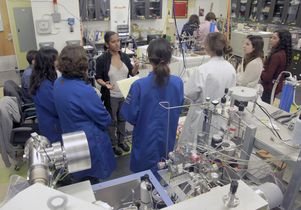
Those who complete the program will be prepared to fill a critical void in the workforce: helping growing urban centers thrive under the pressure of global climate change.
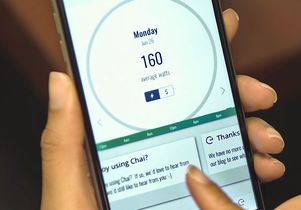
Chai Energy and UCLA Luskin Center for Innovation are conducting a pilot study that could help consumers monitor their electricity usage and avoid peak pricing.
Fueled by her experiences, Aradhna Tripati has helped create the Center for Diverse Leadership in Science, which will provide opportunities for underrepresented minorities.
Study raises questions about water management and supply in an area that produces more than half of fruit, vegetable and nut crops in the United States.
The nonprofit Chefs Collaborative and UCLA co-hosted speakers on a series of sustainable food panels, featuring food-scene stars, UCLA staff and faculty and food critic Jonathan Gold.
UCLA alumni and brothers Mark Gold, respected environmental advocate and scientist, and Jonathan Gold, Pulitzer Prize-winning food writer, on what restaurants, chefs and legislators can do.
“Climate Lab” — a six-episode video series on climate change from Vox and the University of California — is already getting plenty of attention although it's just getting started.
New state and local policies promoting energy use transparency, public transit funding and sustainable development make researchers are optimistic for improvement.
Scientists from UCLA and other universities developed a system that tests when global warming contributes to record-setting weather events, and to what extent.
UCLA study shows that certified green buildings save 319 million pounds of carbon emissions in Los Angeles per year. Unfortunately, smaller buildings are left behind.
UCLA's Congo Basin Institute led a team of UCLA and Cameroonian students into a rain forest in central Africa to reopen a field station in a jungle with a thriving ecosystem with birds, elephants and monkeys.
This vernal equinox — the first day of spring — flora and fauna from Palos Verdes to the Yosemite Valley have been rejuvenated by a historically wet, snowy winter.
UCLA research shows that during future droughts human-induced climate change could all but eliminate California's snowpack, which supplies 60 percent of the state's water supply.
UCLA’s extensive water-saving program garnered the Water Efficiency Project of the Year award, presented by the environmentally focused organization the Los Angeles Better Buildings Challenge at its third annual Innovation Awards ceremony.
Alex Hall and Mark Gold say California’s infrastructure needs to be designed for how the state’s climate will be in the future, which likely means more rain and less snow.
Researchers found that exposure to the pollution caused mice to experience changes in the normal composition of gut bacteria. This in turn produced a cascade of negative health effects.