UCLA study, which was based on an analysis of the most effective approaches to paid family and medical leave, shows how unpaid leave undermines economic growth.
If replicated in larger studies, the findings could lead to new types of programs to improve mental agility in older adults by combining mental training with physical fitness.
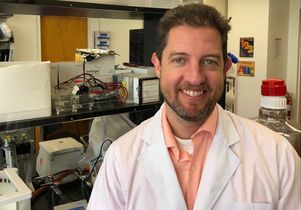
“Our ultimate goal is to be able to regenerate cardiomyocytes after an injury like a heart attack,” Dr. Reza Ardehali said. “But we’re first trying to learn from the embryonic heart.”
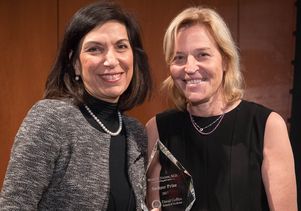
Dr. Huda Zoghbi helped identify a gene mutation that causes Rett syndrome, a genetic disorder leading to loss of language and motor skills, primarily in young girls.
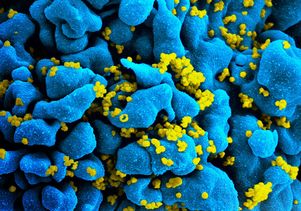
The five-year project funded by the National Institute of Allergy and Infectious Diseases will involve three projects to investigate factors that accelerate and prevent the re-emergence of HIV.
Chimeric antigen receptor T cell therapy fights disease by bolstering the body’s own natural defenses. Josh Feldman, diagnosed with lymphoma after returning from his honeymoon, knows the difference it can make.
“If the results ... are replicated in future studies, the methods we used could potentially give clinicians a new predictive tool,” said UCLA doctoral student Nicco Reggente.
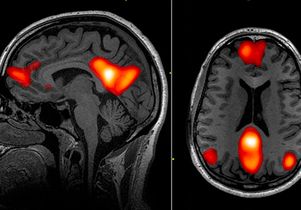
A UCLA-led analysis identifies brain measures of major psychiatric disease. Researchers also pinpointed important differences in these disorders’ gene expression.
The five-year $2.7 million grant from the CDC will help UCLA launch a program for undergraduates that provides training, mentors and hands-on experience.
In places where UCLA researchers found higher levels of stigma, students were more likely to report they seek treatment from a religious group or a religious leader.
The substance’s beneficial properties might be due to its ability to reduce inflammation, which has been linked to both Alzheimer’s disease and major depression, according to Dr. Gary Small.
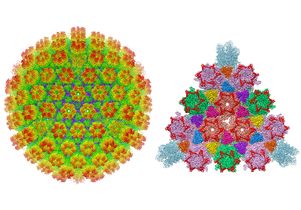
There is no drug or vaccine to treat or prevent KSHV, which causes cancer, but the researchers showed that an inhibitor could be developed to break it down.
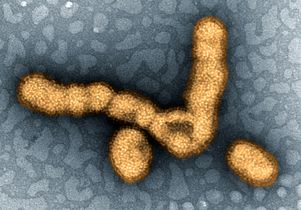
UCLA scientists used leading-edge genomics to identify and eliminate the virus’ defense mechanisms, enabling them to develop a vaccine “candidate” that is safe and effective in animals.