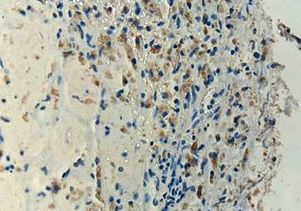
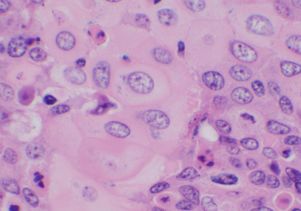
A team of scientists led by doctors at UCLA demonstrated that a modified virus has been shown to extend the lives of people with recurrent gliobastoma.
UCLA scientists use brain imaging to show that social media approval activates the same areas in teens’ brains as eating a favorite food or winning a competition.
Scientists found that a protein called cystatin E/M can inhibit cellular inflammation, which is a major contributor to the growth of the disease; the discovery could lead to the development of new treatments.
The study’s lead author, Dr. Stephen Kim, emphasized that the risk of transmitting bacteria through procedures that use a duodenoscope is extremely low.
A report from the UCLA Center for Health Policy Research contains key recommendations to overcome the critical gaps in understanding how the law, which takes effect June 9, will work.
Krebsbach, who will be the school’s eighth dean, is currently the Roy H. Roberts Professor of Dentistry and a professor of biomedical engineering at the University of Michigan.
Social work professor Mark Kaplan found that an increase in high-risk drinking during the Great Recession may explain the rise in alcohol-related suicides by men — but not women.
UCLA researchers pinpointed the function of a cluster of specialized genes that play a key role in creating and preserving hematopoietic stem cells and identified the process by which those genes are activated.
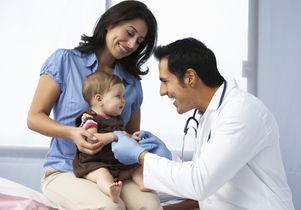
Dr. Alice Kuo and Dr. Angelica Zen argue that gun safety is a relevant issue for children's doctors and, if discussed in appointments, could reduce the number of accidents and deaths involving children.
Inner peace and a flexible body may not be the most valuable benefits that yoga and meditation have to offer, suggests new research by a UCLA-led team of neuroscientists.
Mutations in mitochondrial DNA can cause devastating diseases that mainly affect tissues and cells with high-energy demands, like the brain and muscles.
The researchers chalk up Denmark’s success to many factors, including the country’s universal health care system and the availability of free treatment for all people who have been infected with HIV.
With decades of experience in helping people with psychosis regain their place in society, UCLA neuroscientist Michael Green and his team of 10 psychiatrists, psychologists and other neuroscientists will look for ways to help formerly homeless veterans make the same transition.
The finding could be a cause for concern because many countries rely on the agency to help pay for vital health care services for people with the diseases.
A new UCLA study examining child health in the context of asset poverty indicates that household wealth is linked more closely to health disparity than income or education level.
An earlier study had suggested that a class of drugs called anthracyclines might increase the risk for neuropsychological issues and cognitive difficulties.
The campus community gathered Wednesday for an evening devoted primarily to sleep and heard sound advice about how to wake up refreshed and rejuvenated from a panel of experts.
Prescribing antibiotics to patients who don’t need them can create problems so how do we get doctors to change their behaviors? Start by remembering that doctors are human, so not always perfectly rational.