People with obstructive sleep apnea show significant changes in the levels of two neurotransmitters, which could explain some of the symptoms that affect patients’ daily lives.
The new model seeks to improve upon the traditional appointment, which often doesn’t leave enough time to discuss parenting issues and child behavior and development.
Scientists have pinpointed two tiny clusters of neurons that are responsible for transforming normal breaths into sighs, which could one day allow physicians to treat patients who cannot breathe deeply on their own.
The director of the UCLA Gambling Studies program on why people (even non-gamblers) bet so much on the Super Bowl, whether office pools are “gateway drugs” to more serious gambling, and how to recognize problem gambling.
Discovery provides scientists with critical information on the best way to create stem cells for purposes such as cell transplantation or organ regeneration.
The study found that close to half of Americans who are considered overweight by virtue of their BMIs — 34.4 million people — are healthy, as are 19.8 million who are considered obese.
Two UCLA experts on end-of-life issues talk about California’s new physician-assisted suicide law that will give terminally ill patients and their doctors a legally sanctioned process to talk about difficult choices.
Study of more than 7,000 students in 77 elementary schools found that one program greatly benefited the mental health of sixth-graders who experienced the most bullying.
BPS, a common replacement for BPA in plastics, has also been linked to health risks. New UCLA-led research demonstrates some of the mechanisms that make BPS just as harmful.
An expert discussion jointly sponsored by UCLA and Zocálo, explored the ethical challenges around death that arise in an age of tremendous advances in medical treatment.
Post-acute care accounts for some $62 billion in annual Medicare spending, but spending varies widely across different parts of the U.S., suggesting that some medical centers may be using these services too often.
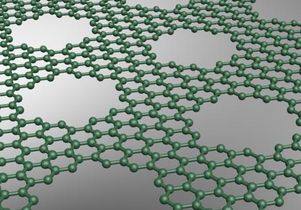
The advance could make it much more efficient to build nanoelectronic and nanobioelectronic devices that could measure brain cell and circuit function in real time.