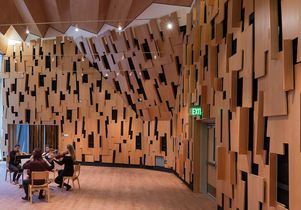
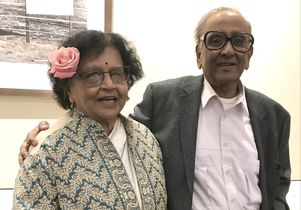
The bequest by Sidney Roberts and Clara Szego Roberts reflects the couple’s backgrounds — both benefited from college scholarships — and their passion for science and the arts.
High pressure deep inside the young Earth may have driven vast stores of carbon into the planet’s core while also setting the stage for diamonds to form.
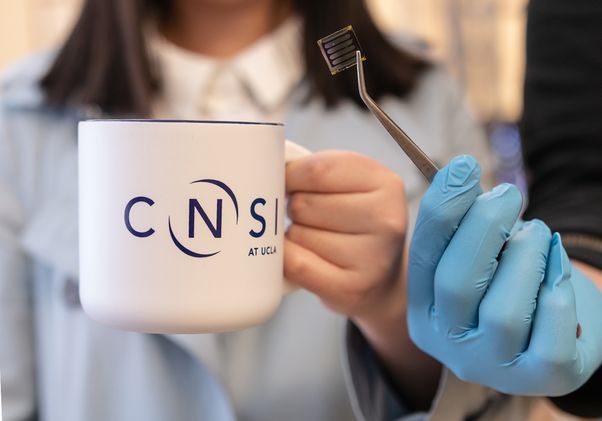
In tests, perovskite-based cells made with the same chemical found in coffee maintained their power conversion efficiency for several weeks longer than those without it.
UCLA researchers and colleagues have designed a first-of-its-kind nanogenerator that can work in remote areas because it provides its own power and does not need batteries. It also acts as a weather station.
The engineers and mathematicians have designed a unique and effective system that could be used to produce clean, fresh water, or to recycle industrial water that would otherwise be wasted.
Energy created by the movement of two materials can be harvested from the surrounding environment and converted to electricity by a triboelectric nanogenerator.
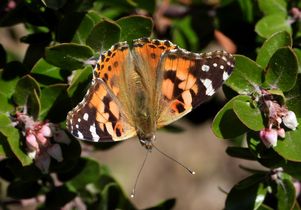
Ecologist Jeff Holmquist explains why there are so many painted lady butterflies in Southern California this year — and why he’s betting on this species despite climate change.
Shane Campbell-Staton says “superheroes give us the opportunity to discuss where the science meets the fiction, and how scientific innovation influences our lives.”
A Q&A with Danijela Cabric of the UCLA Samueli School of Engineering on the legendary actress’s less-known role as inventor of a frequency hopping technology.