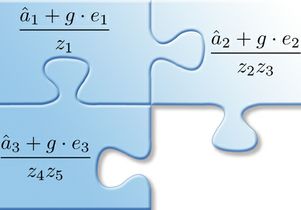
The "software obfuscation" system encrypts software so that it only allows someone to use a program as intended while preventing any deciphering of the code behind it.
The new cells could serve as a power-generating layer on windows and smartphone displays without compromising users' ability to see through the surface.
At the Eli and Edythe Broad Center of Regenerative Medicine and Stem Cell Research at UCLA, more than 200 faculty members are working to translate the promise of stem cells into viable treatments for some of society’s most vexing medical conditions.
"It's complex, beautiful and so dynamic," says UCLA's Marcus Roper of the traffic-like flow of nuclei through a fungus cell. Roper has two studies out highlighting cells' ingenuity.
Professsor Rajit Gadh’s lab is spread across five UCLA parking lots, where the professor of mechanical and aerospace engineering and his research team are paving the way for an expanding world of electric vehicles.
UCLA researchers found that teens who participated in a youth empowerment program were able to reduce impulsive behaviors that could potentially get them into trouble.
A hidden message left by a UCLA architect in 2011 was recently uncovered in Boelter Hall, where sharp-eyed passersby can spot a coded note in the pattern of floor tiles.
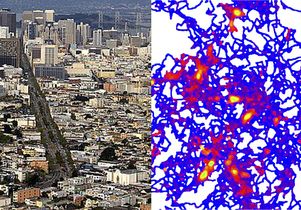
Yifang Zhu, an associate professor in the UCLA Fielding School of Public Health, and her colleagues are drawing on lessons from Los Angeles and teaming with Peking University scientists to guide policy makers as Beijing grapples with record levels of air pollution.
UCLA space scientists have determined what caused the mysterious ring to appear in the Van Allen radiation belts in September 2012 and then quickly dissipate.
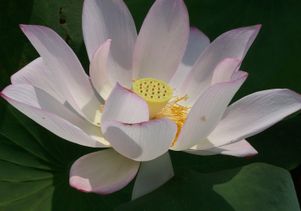
This beautiful image is not an artsy photo of a pink flower. It’s a prize-winning picture of an electrically conductive molecule captured with a scanning electron microscope.
Crystal Valdez is among just 73 Americans — and 625 chemistry students from around the world — selected to meet with 34 laureates at an international conference in Germany.
Understanding the plant's unique genetic makeup could lead scientists to new ideas about how to extend the healthy lives of humans and agricultural crops.
UCLA is among the world’s great research enterprises, testing boundaries and producing new knowledge on a daily basis, and the departure of one lab will not diminish our impact.
Study is the first to identify bacteria's 'strategy' for forming the micro-colonies that become biofilms, which can cause seemingly routine bacterial infections to become lethal.
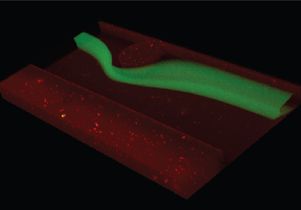
UCLA scientists developed a way to program and control the shape of fluids flowing through pipes or conduits without the need to solve complex and time-consuming fluid-motion equations.
UCLA life scientists have identified a gene previously implicated in Parkinson's disease that can delay the onset of aging and extend the healthy life span of fruit flies.
Building a bridge from the laboratory to the marketplace, the Institute for Technology Advancement has launched technology firms and aggressively mined industry expertise to help shape research.
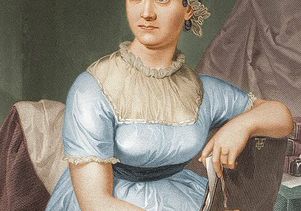
Some 150 years before game theory was used by superpowers during the Cold War, Austen mapped its strategies in all six of her novels, UCLA's Michael Suk-Young Chwe argues.
UCLA scientits have discovered a molecule that kills potentially dangerous stem cells that fail to differentiate while leaving their differentiated progeny unharmed.
Knowledge of the complex swimming patterns of human and animal sperm could improve understanding of fertilization processes, with potential clinical applications.
In this four-minute video, UCLA's Jean-Luc Margot describes the critical role radar astronomy plays in evaluating and mitigating the risks of asteroid impacts.
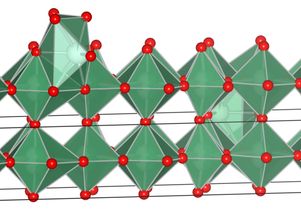
The researchers say the newly synthesized form of niobium oxide could one day help provide rapid power to systems as diverse as urban electrical grids and hybrid vehicle brakes.