Darwin’s writings focused much more on species that had changed over time than on those that hadn’t. So how do scientists explain a species living for so long without evolving?
A team of life scientists has found part of the answer: The amount and intensity of striping in different zebra populations can be best predicted by temperature.
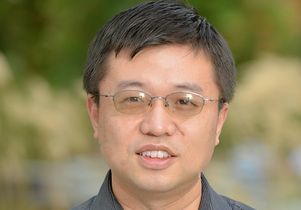
Timothy Deming, UCLA professor of chemistry, biochemistry and bioengineering, has been appointed as an associate editor of the American Chemical Societ Journal, Biomacromolecules.
UCLA researchers found that although Prozac and Lexapro were thought to work the same way, the medications did not produce the same long-term changes in anxiety behavior.
The scientists resolved a dispute over whether a small population of black-headed squirrel monkeys, which are found only in an isolated part of Brazil, is a sub-species of another species or its own species.
A new research institute at UCLA may eventually provide doctors with tools to more accurately tailor therapies to patients, which would improve care and minimize side effects.
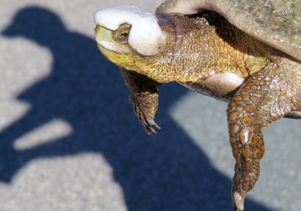
Biologists with the UCLA La Kretz Center for California Conservation Science recently went on a rescue mission to save endangered turtles that have become dehydrated, emaciated and stressed-out by the extended drought.
Daniel Blumstein, professor and chair of the UCLA Department of Ecology and Evolutionary Biology, will do a talk at Nerd Night L.A. on Tuesday, Dec. 16, 7:45 p.m. at The Mint, 6010 Pico Blvd., Los Angeles.
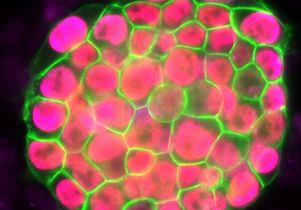
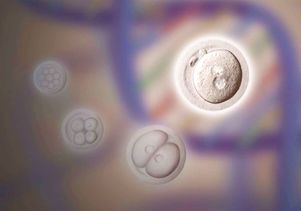
Scientists from UCLA, Harvard, Mass General and Stanford present strong evidence that a chemical modification on RNA plays a key role in determining embryonic stem cells’ ability to adopt different cellular identities.
From poultry to pies and sugar to soil, UC scientists are uncovering insights across the food spectrum that can make your holidays healthier, happier and more mindful.
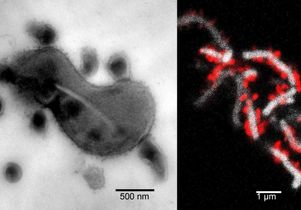
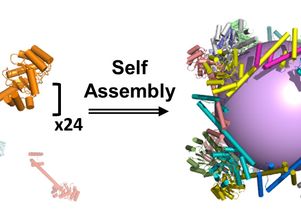
The scientists created the largest protein ever that self-assembles into a molecular “cage.” The protein is hundreds of times smaller than a human cell.
Plants worldwide are more sensitive to drought than many scientists realized. The research may improve predictions of which plant species will survive climate change.
In a day-long event, renowned scientists will highlight and celebrate the monumental contributions of Wallace, at one time the most famous scientist in the world.
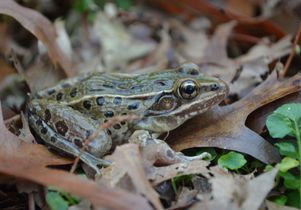
A UCLA scientist was part of a team of that resolved an 80-year-old mystery about whether frogs in and around New York City were, in fact, their own unique species.
Utpal Banerjee, the Irving and Jean Stone Professor and chair of UCLA’s Department of Molecular, Cell and Developmental Biology in the UCLA College, will look at the important role of the fruit fly in helping scientists answer core questions about developmental biology.
Research by UCLA biochemists may lead to a new treatment — or even a cure — for a rare kidney disease that afflicts children, and may provide insights into treatments for Parkinson’s, Alzheimer’s and other degenerative diseases.
Thomas Smith of the Institute of the Environment and Sustainability says the next great extinction could be upon us, but humans can help threatened species survive.
UCLA professor Tom Smith says human-driven evolution is creating drug-resistant diseases, pesticide-proof bugs and mass extinctions due to climate change. "We can either choose to manage evolutionary processes or not, but evolutionary change will proceed regardless."
Drug-resistant diseases, pesticide-resistant bugs and animals threatened by climate change are signs of human-driven evolution getting out of control. A multi-university team calls for solutions.
Buffets of highly processed foods like sugar and flour are as tempting to rats as they are to humans and eating lots of this food weakens cues to stop eating when full.
Researchers identified a gene called AMPK that can slow the aging process throughout the entire body when switched on in key organ systems. Activating the gene in fruit flies extended the animals’ lifespans by about 30 percent.