
The galleries and classrooms of Hammer Museum at UCLA came alive with the energy and imagination of fifth-grade students from Monte Vista Elementary School for one week in March. As part of the museum’s classroom-in-residence at the Hammer program — produced in partnership with UCLA Arts’ Visual and Performing Arts Education (VAPAE) program — the young learners immersed themselves in artmaking, writing, movement and deep observation, experiencing firsthand how creativity fosters personal growth, community connection and even how we eat.
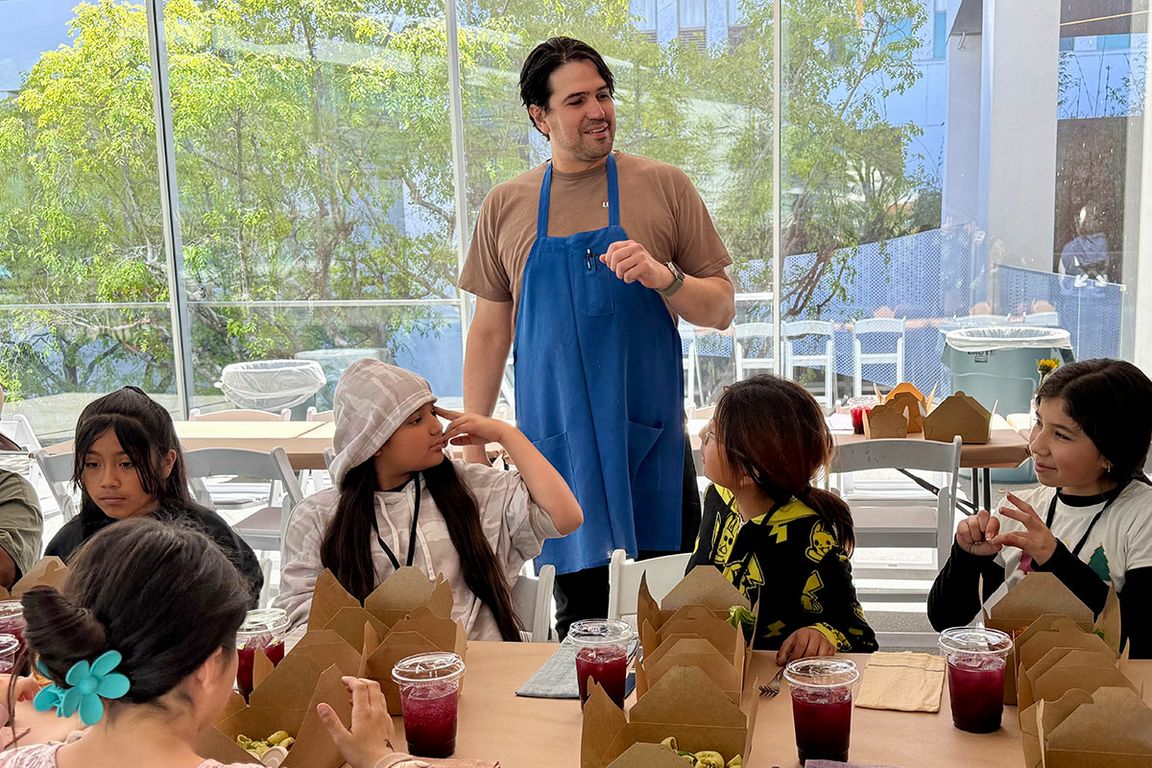
This year, the students enjoyed a new addition to the program: a thoughtfully prepared, garden-fresh lunch courtesy of Lulu, the celebrated restaurant located within the Hammer. For one special day, the students were treated to a healthy, joyful meal of crispy chicken tenders, spring pasta salad with snap peas, romaine with ranch dressing and sweet strawberries from Harry’s Berries that delighted their taste buds and underscored the program’s holistic approach to education.
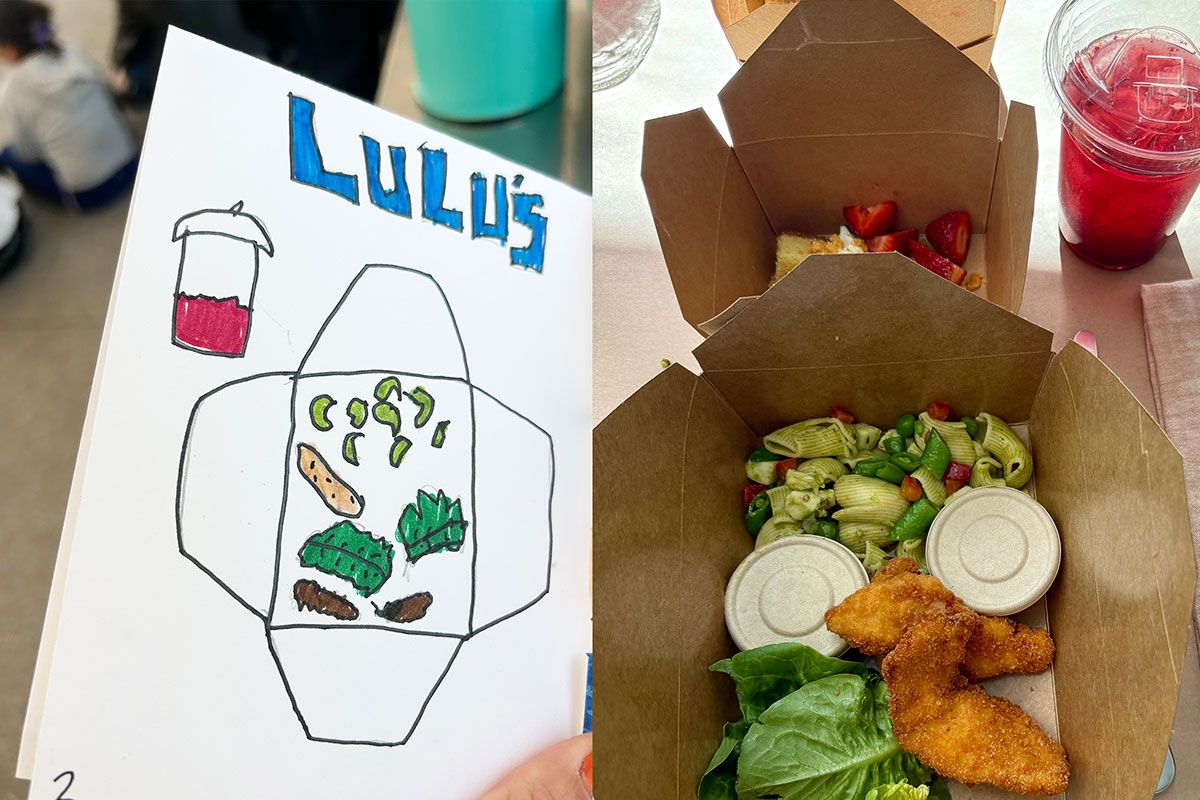
Founded in partnership with culinary icon Alice Waters, Lulu is rooted in a mission to connect people through sustainably sourced, seasonal food while fostering community, education and care. The restaurant’s involvement reflects Waters’ broader vision of integrating food into the fabric of learning institutions — what she calls “edible education.”
“At Lulu, we believe food can nourish not just the body but also a sense of belonging and curiosity,” said Lulu Director of Operations Jesse McBride. “It was a joy to prepare lunch for the students and to witness the care and creativity of the classroom-in-residence program. We hope the students felt celebrated and supported and left with a sense that the Hammer — and UCLA — is a place where they belong.”
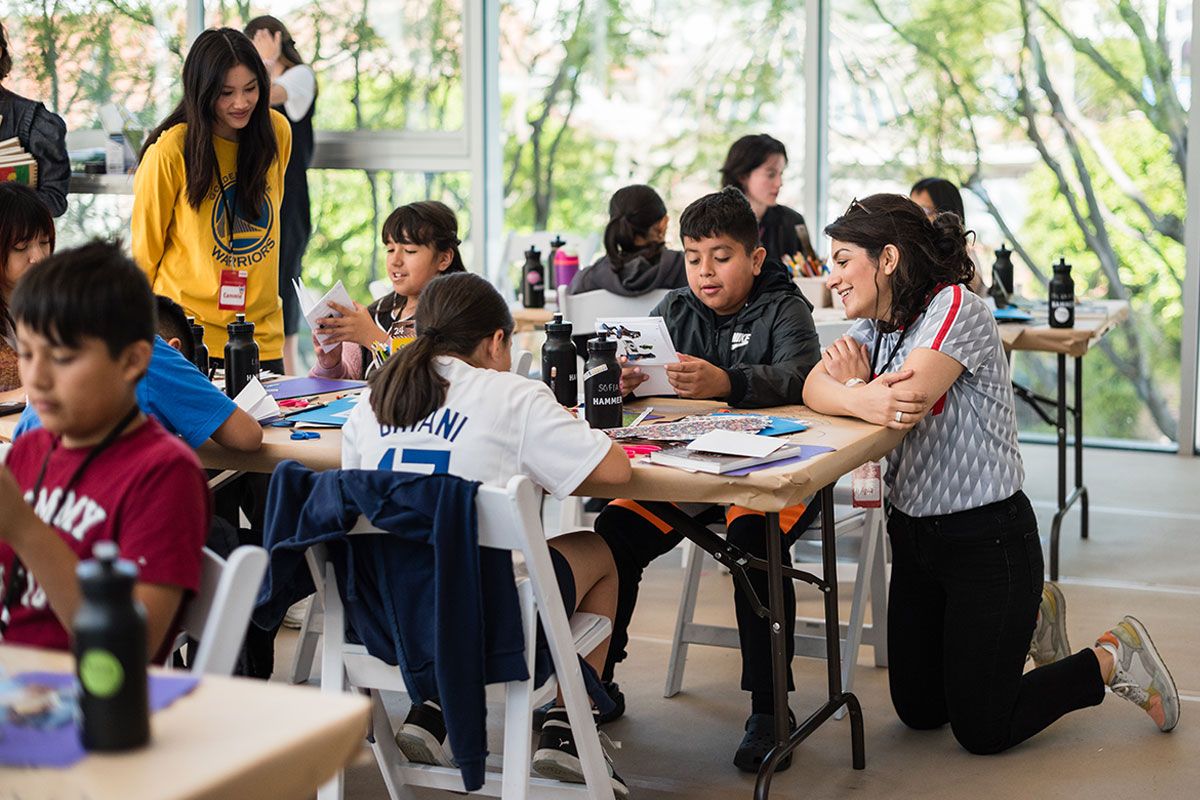
According to Kevin Kane, Director of VAPAE, this year’s program was a resounding success and the collaboration with Lulu a meaningful highlight.
“Spending so much quality time with the children, first at their school site and then for a week at the Hammer and on campus, was a reminder that even in the darkest of times, we can look toward the light,” said Kane. “Maybe most meaningful of all was the generosity of Lulu’s team, who spent time with the students, introducing themselves, describing how they prepared the food and sharing a bit about their jobs. As we know, the arts can be a great connector — a way to bridge communities and support intergenerational harmony. Food can do the same, especially the sharing of food that is so thoughtfully prepared.”
During their visit, Lulu chef Luis Sierra spoke to the group about the importance of farmers markets and how good food always begins with good farmers — offering students a brief but meaningful introduction to where their food comes from and why it matters.
The connection between food and learning was especially poignant for this year’s students. Many of them had already been introduced to fresh food and farm-to-table ideas through Monte Vista Elementary’s on-campus vegetable and herb garden. “They definitely seemed to know and appreciate a perfectly prepared meal,” Kane noted.
Now in its eleventh year, classroom-in-residence is a one-of-a-kind partnership between the Hammer, VAPAE and the Los Angeles Unified School District. Each spring, two cohorts of students from Title I LAUSD elementary or middle schools are invited to spend a full week at the museum — engaging deeply with exhibitions, creating original artwork, journaling and participating in a curriculum that centers identity, collaboration and critical thinking. Building from these experiences, the students also develop a movement performance that they present on the stage of the Hammer's Billy Wilder Theater.
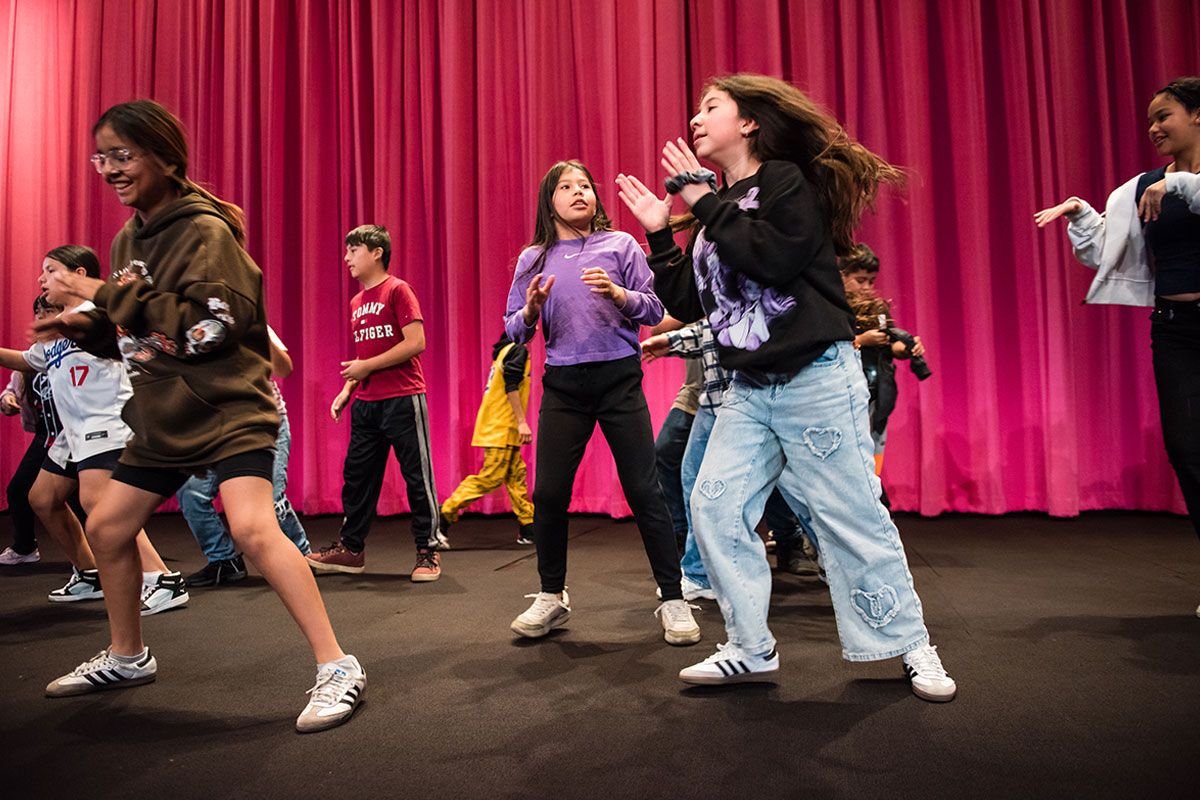
“At the end of the week, the students shared that they felt so welcomed and cared for at the Hammer that they wanted to come back the following week,” said Hallie Scott, associate director of academic orograms at the Hammer. “For us as program staff, this is one of the clearest indicators of a successful program.”
Students also spent a day on campus, learning about the UCLA experience. They made art alongside students in the Broad Art Center, practiced movement in the Kaufman dance studios and toured the campus with UCLA Cub Tours. By getting this exposure to campus life, they built college-going confidence, which is another central goal of this program.
As UCLA continues to deepen its commitment to accessibility and community engagement, partnerships like this one illuminate what’s possible when the arts intersect with other essential forms of care. Whether through painting, poetry or a lovingly prepared meal, the message to these young learners was clear: you are welcome here.