UCLA in the News

Coverage of UCLA in the world's news media, aggregated daily

Results

He looked for ways to stop mass violence. The government told him to stop — and more media coverage of UCLA

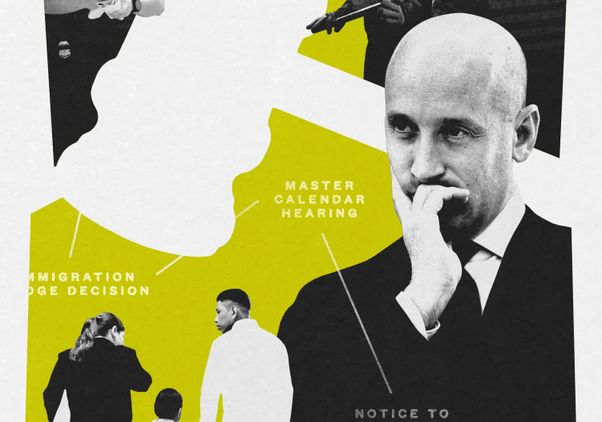
The New York Times featured commentary by Dr. David Eisenman, director of the UCLA Center for Public Health and Disasters, about the abrupt withdrawal of support from the Department of Homeland Security for his team’s research into targeted and mass violence prevention. Eisenman, who is also a professor at the UCLA Fielding School of Public Health, had been studying bystander reporting programs in other countries, designed for family members or close friends of perpetrators who might “leak” their plans and intentions. The DHS, which initially was heavily invested in this work, told Eisenman to shut down all research operations in March 2024. Read more about UCLA in today’s ABC News, NPR and others.

The Bruin bringing Bollywood dance to college gymnastics — and more media coverage of UCLA

The Athletic, a New York Times’ sports subsidiary, featured UCLA gymnast Tiana Sumanasekera in an article about the Bruin’s commitment to bringing Bollywood dance styles to college gymnastics. Sumanasekera, who is competing for UCLA in the NCAA gymnastics semifinals this week, has incorporated South Asian dance into her choreography throughout her elite career, working tirelessly with UCLA associate head coach BJ Das to learn new styles of Bollywood dance and celebrate its influence in South Asian culture on both the floor and on the beam. Read more about UCLA in today’s ESPN, The Wall Street Journal and others.

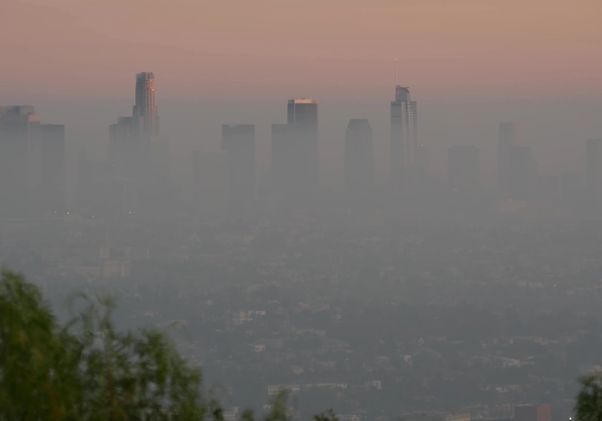
Los Angeles air used to make people sick every day. What changed? — and more media coverage of UCLA

On an episode of KCRW Reports, UCLA's Ann Carlson discusses her new book, “Smog and Sunshine: The Surprising Story of How Los Angeles Cleaned Up Its Air.” Carlson, the Shirley Shapiro Professor of Environmental Law and faculty director of the Emmett Institute on Climate Change and the Environment, details the science, activism and politics driven by a diverse group of Angelenos half a century ago who helped the region achieve its nearly perfect Mediterranean climate that residents enjoy today. Read more about UCLA in today’s Associated Press and New York Times.

20 years of research debunks most claims against same-sex marriage — and more media coverage of UCLA

In a Los Angeles Times commentary, UCLA’s Benjamin Karney discusses his lab’s effort to review what social scientists have learned about the consequences of legalizing same-sex marriage in the two decades since Massachusetts paved the way for LGBTQ couples to tie the knot. Of the 96 independent studies Karney’s team reviewed, the data point to no evidence for the harms critics predicted — namely, that these unions may harm children or even the stability of different-sex marriages. Read more about UCLA in today’s LAist’s “AirTalk” and the New York Times Magazine.

What an unexpected YA boom on streaming says about audiences — and more media coverage of UCLA

A Los Angeles Times article featured several UCLA entities in its reporting on the young-adult book adaptation “boom” on streaming platforms, which is taking studios and scholars by surprise. UCLA’s Yalda T. Uhls, founder and chief executive of UCLA’s Center for Scholars & Storytellers, says younger generations reject stereotypes and are responding well to more authentic and diverse characters. UCLA’s Hollywood Diversity report was also cited as evidence that diverse casting and storylines are in high demand among audiences. Read more about UCLA in today’s Wall Street Journal, Variety and others.

The next phase of the immigration crackdown is quieter, more destabilizing — and more media coverage of UCLA

The New York Times featured UCLA’s K-Sue Park in an article about experts’ concerns over shifts in immigration policy and potential next waves of crackdowns. “Some people more risk-averse will leave, and the ones who stay will be terrified,” says Park, a professor at the UCLA School of Law. Park argues that the threat of deportation is a way to keep certain people, especially low-paid workers, in check. “They won’t be able to do anything. They won’t even attempt to exercise any of the rights they might exercise,” she said. Read more about UCLA in today’s NPR, EdSource and others.

Rebuilding picks up in Altadena, but recovery still 'deeply uncertain' — and more media coverage of UCLA

The Los Angeles Times reported on new data from UCLA’s Latino Policy and Politics Institute showing that more Altadena homeowners are beginning the rebuilding process after last year’s wildfire, though major gaps remain. Gabriella Carmona, a senior research analyst at the institute and lead author of the report, said recovery is still “very deeply uncertain for most households,” with financial barriers slowing progress from permits to construction. The study found that while more than half of affected homeowners have taken some step toward recovery, only about 30% have started building. Read more about UCLA in today’s New York Times and CNN.

Artemis II will tell us a lot about humans in space. Here’s what experts already know — and more media coverage of UCLA

In light of the trending Artemis II mission, Vox republished an article from September 2025 featuring Haig Aintablian, director of the UCLA Space Medicine Program, and other leading clinicians and investigators in the field. The piece explores not only the viability of human life on Mars, but also space medicine technologies that may have beneficial applications here on Earth. “I do believe that with the amount of emphasis being placed on radiation protection, we’re going to figure out ways to actually protect against significant amounts of radiation for the general public for multiple uses,” said Aintablian. Read more about UCLA in today’s Vanity Fair, USA Today and others.

UCLA to expand mental health training with new $33 million grant — and more media coverage of UCLA

The Los Angeles Times reported on how UCLA will use a $33 million donation to expand mental health training programs and address workforce shortages across California. The funding will support scholarships, a new minor in youth behavioral health and more clinical training opportunities. A UCLA student described how the initiative is helping shape career paths, while professor Bruce Chorpita said the program will offer specialized coursework beyond a traditional psychology major. Read more about UCLA in today’s CNN and NBC News Daily.

Bruins capture NCAA women’s basketball championship — and more media coverage of UCLA

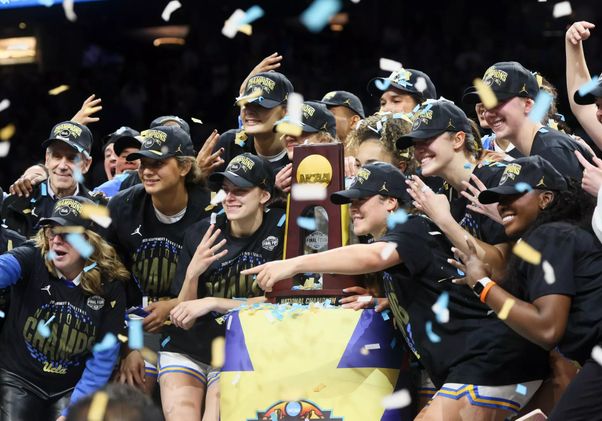
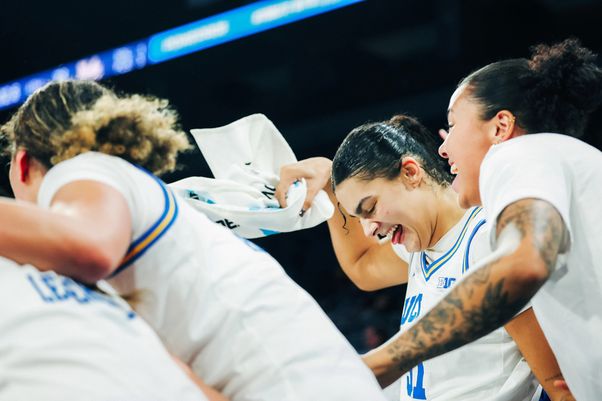
The Los Angeles Times (and others) reported on Sunday’s victory by UCLA women’s basketball, which captured the NCAA national championship with a 79–51 victory over South Carolina, capping a 37–1 season. The Bruins were led by Lauren Betts, who was named the tournament’s most outstanding player, and Gabriela Jaquez, as all five starters scored in double figures. The title marks UCLA’s first in women’s basketball since 1978. Read more about UCLA in today’s New York Times, NBC News and others.

Artemis II is on the way to the moon — and more media coverage of UCLA

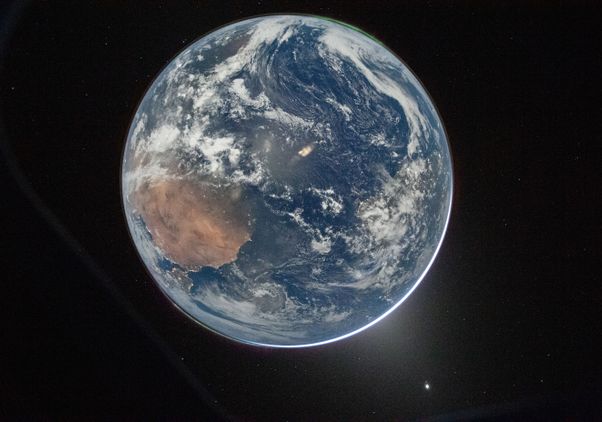
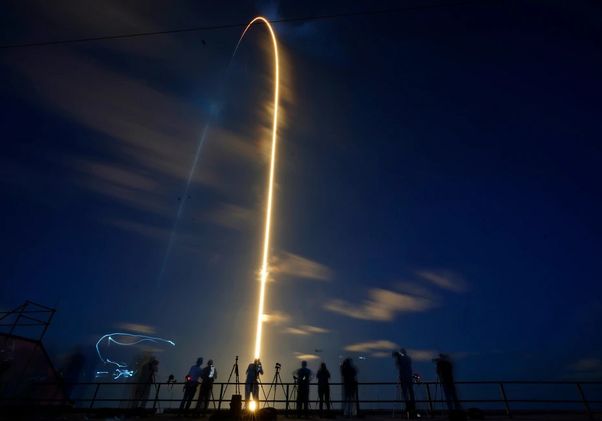
UCLA planetary science professor David Paige spoke with CBS LA about the Artemis II mission after the four-person crew got the go-ahead to push out of Earth’s orbit, and broke down what the mission goal is. “If you look at the history of the Apollo program, they also did similar moon fly-by missions before they attempted to do the (moon) landing. There’s a huge number of moving parts involved in doing a mission like this and keeping the astronauts safe.”  Read more about UCLA in today’s San Francisco Chronicle, Salon and others.

FDA says ‘yes’ to transformative therapy for sick children — and more media coverage of UCLA

KTLA-TV reported on a clinical trial led by UCLA’s Dr. Donald Kohn that resulted in FDA approval of the first gene therapy for severe leukocyte adhesion deficiency-I, a rare and often fatal immune disorder. The treatment developed by Rocket Pharmaceuticals uses a patient’s own stem cells to restore immune function and reduce the risk of life-threatening infections. All nine children in the trial survived without needing a bone marrow transplant, marking a significant advance in gene therapy research. Read more about UCLA in today’s ABC News and The Hill.

Questions remain over AI campaign that offset lifesaving clean air standards — and more media coverage of UCLA

The Los Angeles Times featured commentary by UCLA’s Mary Nichols calling for more investigations into AI-generated comments — using real people’s identities without their knowledge or consent — opposing clean air measures that are flooding public agencies. Nichols, who spent 17 years at the helm of the California Air Resources Board, examines several deceptive AI-driven campaigns that were successful and offers insights into how regulatory agencies can foster more democratic processes. Read more about UCLA in today’s Associated Press and Forbes.

How the birthright citizenship fight could affect neonatal health — and more media coverage of UCLA

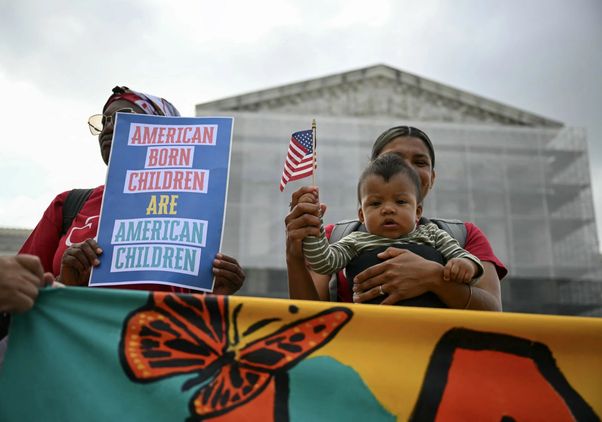
NPR’s “Morning Edition” featured UCLA’s Arturo Vargas Bustamante discussing how the debate over birthright citizenship could affect maternal and infant health. Bustamante, professor at the UCLA Fielding School of Public Health and director of faculty research at the UCLA Latino Policy and Politics Institute, said fear around immigration policies may already be discouraging some pregnant patients from seeking care, which can lead to long-term health consequences for their children. Read more about UCLA in today’s Associated Press and CNN.

Can AI give you your time back? A new study examines how people use it — and more media coverage of UCLA

The Wall Street Journal featured a study co-authored by researchers from UCLA, Stanford University and the University of Southern California examining how people use artificial intelligence tools in their daily lives. UCLA economist Gregor Schubert, one of the study’s authors, said that while AI can boost efficiency and free up time, how people ultimately use that time varies widely. The article also highlighted real-world examples of individuals using AI to manage household tasks, fitness routines and scheduling. Read more about UCLA in today’s CBS News, NPR and others.
Why some students are choosing alternatives to 4-year degrees — and more media coverage of UCLA

In an interview with Spectrum News 1, senior economist Jerry Nickelsburg with UCLA Anderson Forecast noted there is evidence of a weak labor market, and he expects that to continue through the first half of the year — though there are some industries expected to do well. “In California, we are starting to see growth in all aspects of aerospace. So, defense and aerospace defense. But also, other elements of the defense industry,” Nickelsburg said. He added that tech jobs are also expected to grow. Read more about UCLA in today’s Los Angeles Times.

Why California's surging fuel prices could impact overall consumer spending — and more media coverage of UCLA

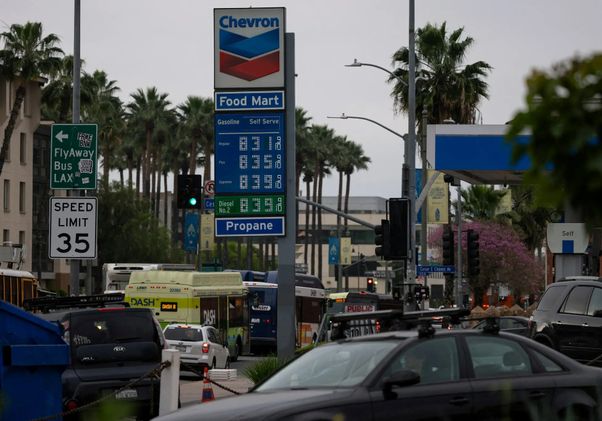
In today’s New York Times, UCLA’s Christopher Tang speaks about how consumer behavior in California could change as a result of the state’s skyrocketing gas prices, which are nearly $2 more than the national average. Tang, a distinguished professor at the UCLA Anderson School of Management and a supply chain expert, says the ripple effects will be felt across the state’s transportation, agriculture, tourism and hospitality sectors. “Discretionary spending often drops when pain at the pump increases,” he said. Read more about UCLA in today’s Spectrum News 1 and LAist’s “AirTalk.”

UCLA law professor analyzes potential impact of Supreme Court voting case — and more media coverage of UCLA

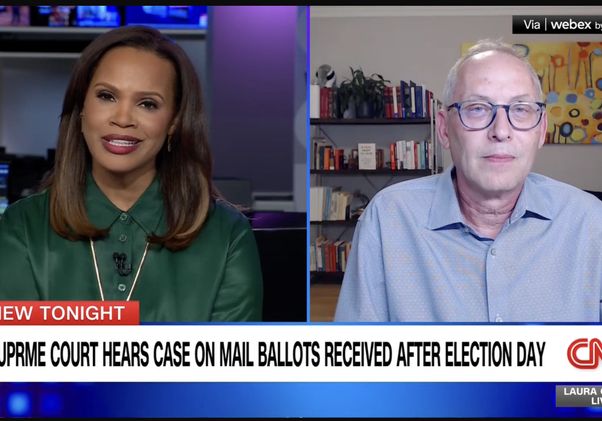
CNN’s Laura Coates Live featured an interview with UCLA law professor Rick Hasen on a pending Supreme Court case that could reshape how mail-in ballots are counted nationwide. Hasen said the justices appear divided on whether ballots must be received by Election Day or if states can allow grace periods, warning that a stricter ruling could disrupt election administration in more than a dozen states. He also noted that changing long-standing voting practices could confuse voters and potentially limit access, despite little evidence of widespread fraud. Hasen was also interviewed by WBUR-FM’s “Here & Now.” Read more about UCLA in today’s New York Times and The Conversation.

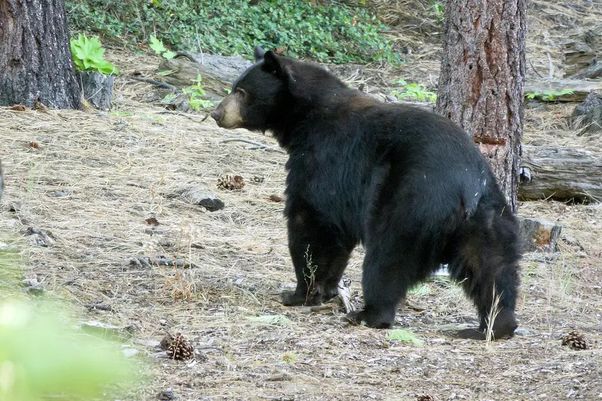
Expert addresses animal encounters after local bear euthanized — and more media coverage of UCLA

In SF Gate, UCLA’s Wilson Sherman spoke with reporters about a recent bear encounter in a Los Angeles County foothill community, which left a woman with non-life-threatening injuries. State officials euthanized the bear after confirming its involvement in a prior altercation, a move that angered many residents. Sherman, who studies human-wildlife interactions, said he believes that more generations of bears will continue to populate the area, especially as mother bears teach their cubs to live and move through urban environments in a certain way. Read more about UCLA in today’s CNN and USA Today.

UCLA’s Lauren Betts on learning the importance of prioritizing mental health — and more media coverage of UCLA

The Players’ Tribune published an essay by UCLA women’s basketball standout Lauren Betts, in which she reflects on her struggles with depression and her path to recovery. Betts describes seeking care at UCLA Hospital and credits her Bruin teammates and coaches for creating a supportive environment that prioritizes the person over the performance. She writes that the experience reshaped her perspective and inspired her to speak openly about mental health, encouraging others to seek help and reduce stigma. Read more about UCLA in today’s Vanity Fair and KTLA-TV.

NASA rover detects some of the oldest evidence of water flowing on Mars — and more media coverage of UCLA

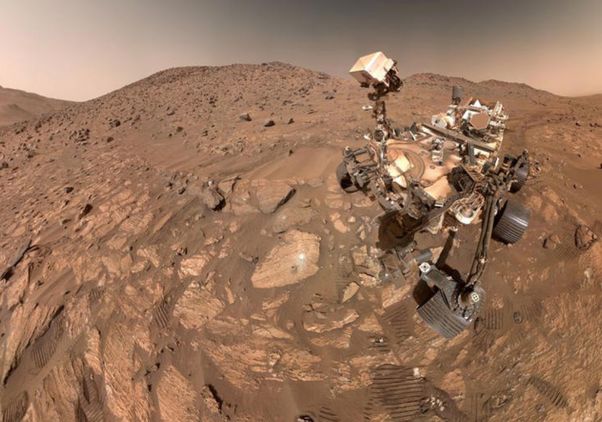
Reuters interviewed UCLA planetary scientist Emily Cardarelli, a member of NASA’s Perseverance rover science team, about the detection of underground remains of an ancient river delta on Mars in some of the oldest evidence yet showing how water once flowed on the surface of Earth's planetary neighbor. “Over time, we've seen more and more evidence for liquid water on the Martian surface at various rover landing sites,” she said. Read more about UCLA in the news in today’s CalMatters, Gizmodo and other outlets.

Mono Lake might need to cut exports to survive — and more media coverage of UCLA

The San Francisco Chronicle reports that modeling data developed by UCLA’s Center for Climate Science and recently presented to the California Water Resources Control Board indicates that Mono Lake, the depleted saltwater body in the eastern Sierra watershed may not survive if Los Angeles continues to pump water from the basin into the city. UCLA’s Alex Hall told the board that even just reducing the amount taken could be beneficial for the lake. Read more about UCLA in today’s Los Angeles Times and NPR.

When men should have mammograms — and more media coverage of UCLA

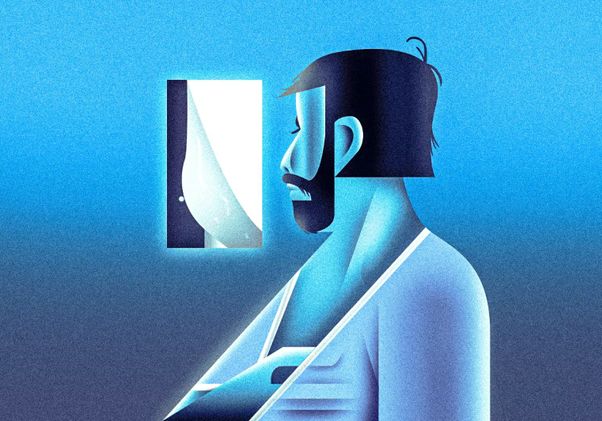
The Los Angeles Times spoke with Dr. Aditya Bardia, a UCLA breast cancer oncologist who’s been in the field for 15 years and, in that time, has treated over 20 men. He says that men should watch out for lumps, pain, discomfort or nipple inversion. “If you have any of that, get it checked out with an ultrasound,” Bardia said. “Otherwise, if a man is only at average risk, then a mammogram is not necessary. But if he has BRCA and a family history, then a mammogram is recommended.” Read more about UCLA in the news in today’s Capital & Main, CNBC and other outlets.

What COVID-19 tests, cancer research and interstellar messages have in common — and more media coverage of UCLA

The Associated Press interviewed UCLA experts Artur Davoyan and Dino Di Carlo in a feature commemorating Pi Day. The article touched on the varied applications of the number in mechanical, aerospace and biological engineering, detailing specific research at UCLA in which the number plays a large role. “As an engineer and scientist, [pi] is just a part of life,” said Di Carlo, the Armond and Elena Hairapetian Professor of Engineering and Medicine in the UCLA Samueli School of Engineering. Davoyan, an assistant professor at the school, was also quoted. Read more about UCLA in the news in today’s New York Times, NPR and other outlets.

Forget influencers. Welcome to the world of the ‘alternatively influential’ — and more media coverage of UCLA

The Wall Street Journal cited Mindy Seu, a UCLA associate professor, artist, technologist and academic behind the publication the “Cyberfeminism Index,” in a story about the ‘alternatively influential.’ “I don’t really consider myself an influencer — it happens that I distribute my work and events online, but I don’t make things specifically for social media,” said Seu. “To have someone on your team to champion you in all the things that are kind of uncomfortable, like knowing how to negotiate fees, and to figure out which deals feel right for me ethically, is very helpful. Read more about UCLA in today’s New York Times, Los Angeles Times and other outlets.
Load More Items Loading...