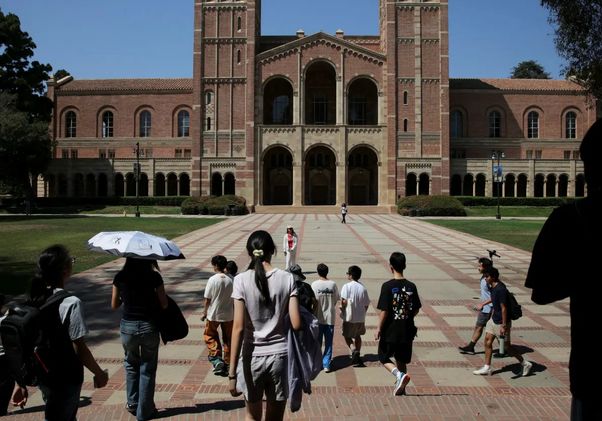
UCLA in the News

Coverage of UCLA in the world's news media, aggregated daily

Results

Meta, Broadcom and others to launch $125 million semiconductor research hub at UCLA — and more UCLA media

CNBC reported on news of UCLA's new partnership with tech titans Broadcom, Meta and others to launch a $125 million semiconductor hub. The partnership connects academia and industry leaders to accelerate research and workforce development for AI-powered chip technologies. Faculty and student researchers will work with the founding companies to help shorten the timeline for new chip innovations to reach a rapidly-changing market, said Ah-Hyung “Alissa” Park, the Ronald and Valerie Sugar Dean of Engineering at UCLA Samueli. Read more about UCLA in today’s Los Angeles Times, America Community Media and others.
Fires ring Southern California and it’s only May. What’s going on? — and more UCLA media

The Los Angeles Times reported that there are currently five fires of 1,000 acres or more burning in Southern California, which UCLA’s Park Williams described as abnormal for this time of year but not unprecedented. Park, a professor and hydroclimatologist, pointed to a study suggesting that human-caused warming has advanced the onset of the fire season by six to 46 days across most of the state. UCLA climate scientist Alex Hall said a collision of natural factors can also create the perfect storm. Read more about UCLA in today’s Time, Wall Street Journal and others.

UCLA researchers identify oak tree populations as well adapted to climate change — and more UCLA media

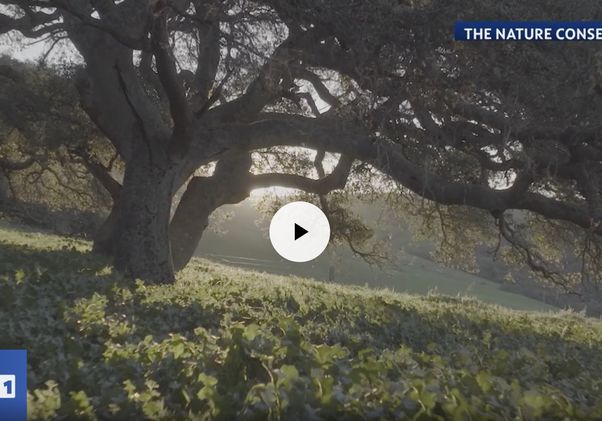
Spectrum News 1 reported that researchers at UCLA and the Nature Conservancy have pioneered a new gene sequencing research project with the goal of saving native oak trees and creating a more heat- and fire-resilient native landscape across California. Victoria Sork, a distinguished professor of ecology and evolutionary biology at UCLA, partnered with the Nature Conservancy on a research program to identify native oak tree populations that are more adapted to heat and climate change by studying their genetics. Read more about UCLA in today’s Fast Company and Popular Science. 

In governor's race, Democratic candidates lean into immigration as young Latinos eye affordability — and more UCLA media

Matt Barreto, founder of the UCLA Latino Policy and Politics Institute, spoke to CapRadio about the California governor’s race and said affordability now dominates concerns among all demographics, including young Latinos. “There’s always that disconnect between Latinos being a huge part of the state economy, the state population, the public school system, but a relatively smaller part of the electorate,” Barreto said. Read more about UCLA from today’s Sacramento Bee, The Guardian and more. 

When should women start getting mammograms? — and more UCLA media

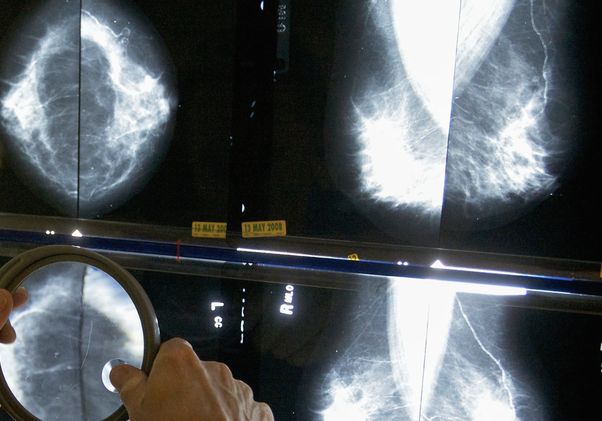
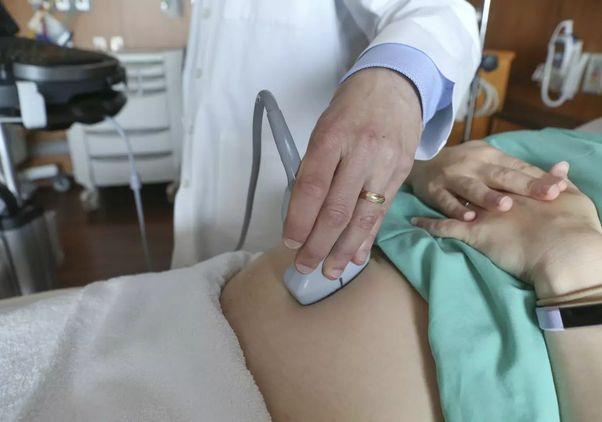
The Associated Press examined why medical groups continue to offer differing recommendations on when women should begin routine mammograms and how often they should be screened. UCLA Health’s Dr. Carolyn Crandall said there is a narrower balance between the benefits and risks from mammograms for women in their 40s, when false positives and unnecessary follow-up procedures are more common. The story also explored how genetics, breast density and emerging risk-based screening models may shape future guidelines. Read more about UCLA from today’s CNN and New York Times.

Xavier Becerra bets on decades of experience in California governor’s race — and more UCLA media

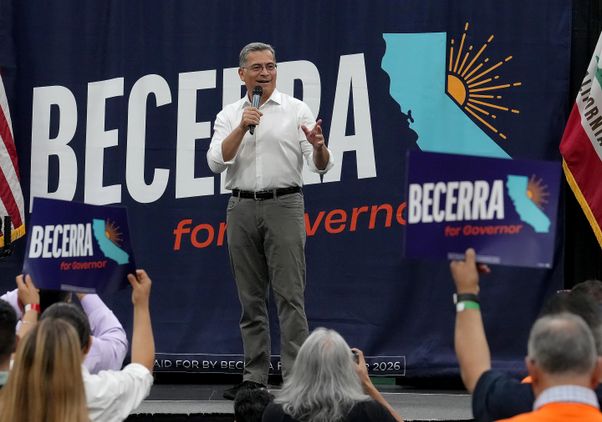
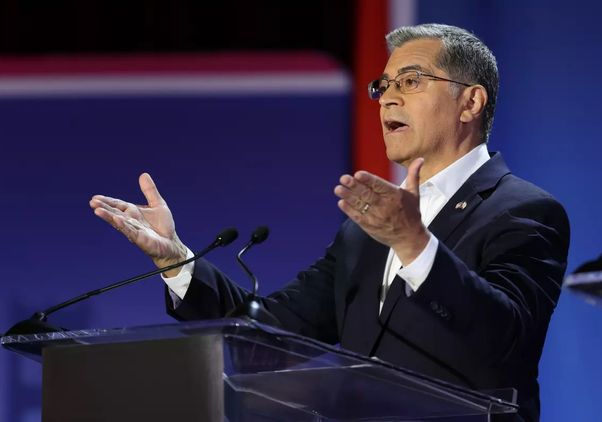
The Associated Press discussed Xavier Bacerra’s bid for governor of California, speaking with several who have worked with the candidate, whether directly or indirectly, in government. “He has this breadth of experience that none of the other candidates have,” said Matt Barreto, a political scientist and cofounder of the UCLA Voting Rights Project, which Becerra partnered with in a recent lawsuit. “What that means is that he has the ability to portray himself to the voters as having been through the fight.” Read more about UCLA in today’s Los Angeles Times and Pasatiempo.

After the Eaton Fire, residents face growing fears over toxic contamination — and more UCLA media

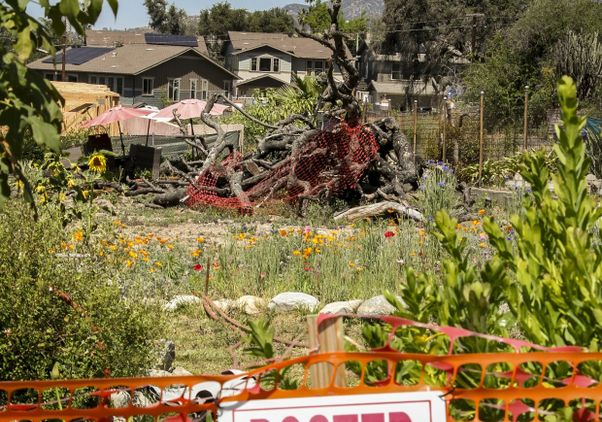
NBC News examined the lingering contamination concerns facing Altadena residents more than a year after the Eaton Fire, including elevated levels of lead and other hazardous materials found in homes and soil. UCLA civil and environmental engineering professor Sanjay Mohanty said testing from roughly 1,300 affected properties found that many homes and burned lots still exceeded California safety thresholds for lead contamination even after cleanup efforts. Mohanty also criticized the lack of soil testing requirements during debris removal, saying the policy left subcontractors “unaccountable.” Read more about UCLA in today’s Bloomberg Law and PBS.

Should parents face criminal charges for kids’ e-motorcycle collisions? — and more UCLA media

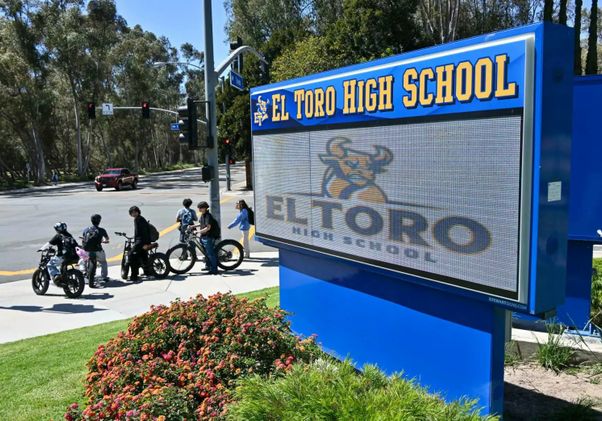
The Southern California News Group reported on the debate over whether parents should face criminal charges for children’s e-motorcycle and e-bike collisions following an uptick in incidents, some proving fatal for innocent bystanders. Shirin Bakhshay, an assistant professor at the UCLA School of Law, said prosecutions targeting parents in connection with their children’s actions are fairly new and appear to reflect frustration among authorities who believe current laws and public education efforts have not been effective in stopping dangerous behavior involving electric two-wheelers. Read more about UCLA in today’s PBS News and LAist.

Cities struggle with how to address homelessness on public transit — and more UCLA media

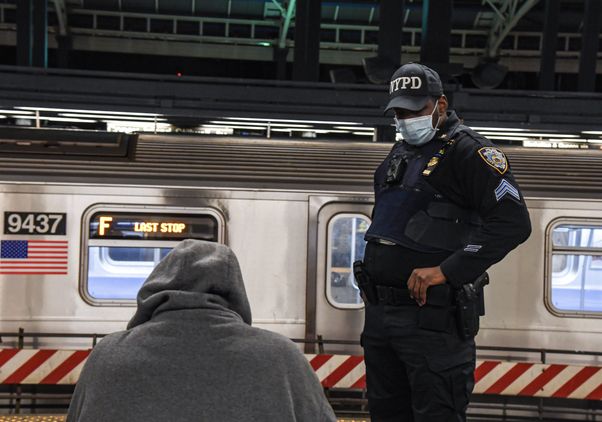
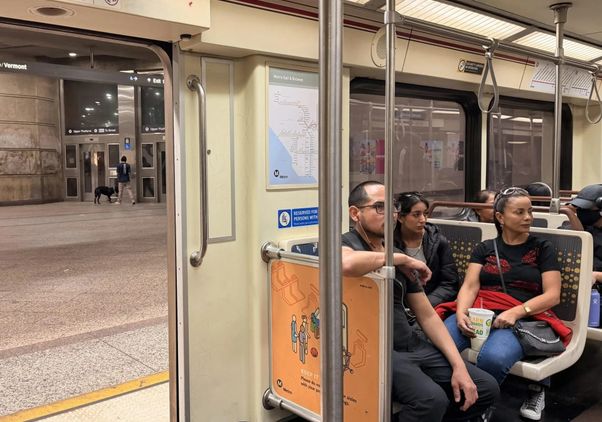
NPR’s “All Things Considered” examined how transit systems across the country are responding to issues related to homelessness and quality-of-life concerns on buses and subways. Jacob Wasserman, research program manager at the UCLA Institute of Transportation Studies, said transit agencies are increasingly being forced to address homelessness despite not being designed for that role. “That’s no knock on them. That’s just not what their purpose is. But they have to,” Wasserman said, noting that enforcement alone often displaces unhoused people rather than addressing the underlying causes. Read more about UCLA in today’s New York Times and The Hill.

New accessible textbook gives voice to Asian American, Pacific Islander history and cultures — and more UCLA media

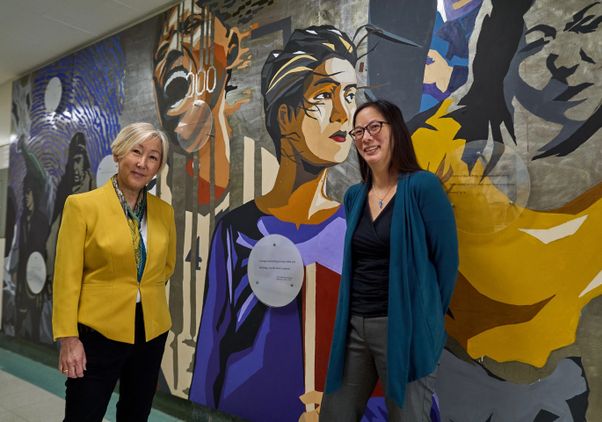
The Associated Press featured an article about the launch of a free digital textbook overseen by the UCLA Asian American Studies Center that aims to be a high-caliber guide to help high school and college educators nationwide teach more effectively about AAPI experiences. “Foundations and Futures: Asian American and Pacific Islander Multimedia Textbook” is the culmination of years of work by 100 contributors, from curriculum developers to illustrators. (UCLA’s Karen Umemoto, Kelly Fong and Melany De La Cruz-Viesca were quoted.) Read more about UCLA in today’s Time, New Yorker and others.

The new D-line should be a slam dunk, but will Angelenos abandon their cars? — and more UCLA media

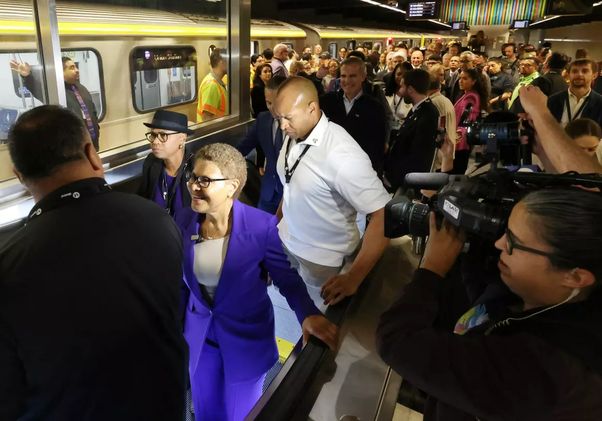
The Los Angeles Times featured several UCLA experts in an article about LA Metro’s Wilshire subway line, a route that will cover some of the city’s densest communities. Rider behavior is yet to be determined, and people like UCLA’s Jacob Wasserman, a research program manager at the UCLA Institute of Transportation Studies, says wait times may cause potential riders just to stick with their cars. Brian Taylor, a fellow at the institute and a professor of urban planning and public policy at UCLA’s Luskin School of Public Affairs, says the line will need to be “the best way to get around” if it’s going to change commuter behavior. Read more about UCLA in today’s Discover Magazine and Vox.

Why many advanced lung cancer patients never receive treatment — and more UCLA media

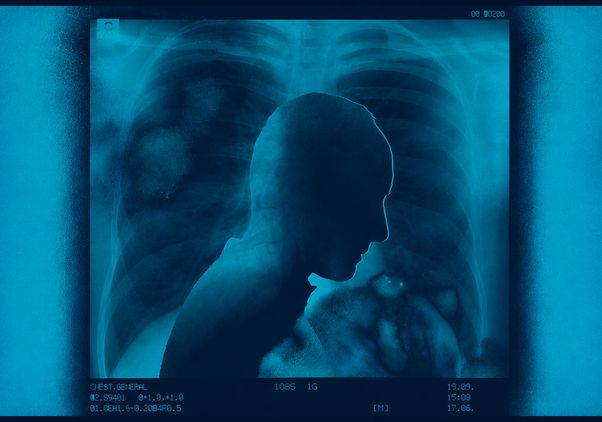
The New York Times reported on a new study finding that more than half of Medicare patients with metastatic lung cancer never receive life-extending therapies such as chemotherapy, immunotherapy or targeted drugs. UCLA Health’s Dr. Drew Moghanaki, chief of thoracic oncology, said lingering fatalism around advanced lung cancer may discourage some patients from pursuing treatment, despite major advances that can extend survival and improve quality of life. Read more about UCLA in today’s Washington Post, CNN International and others.

Why Los Angeles parks feel different from those in older cities — and more UCLA media

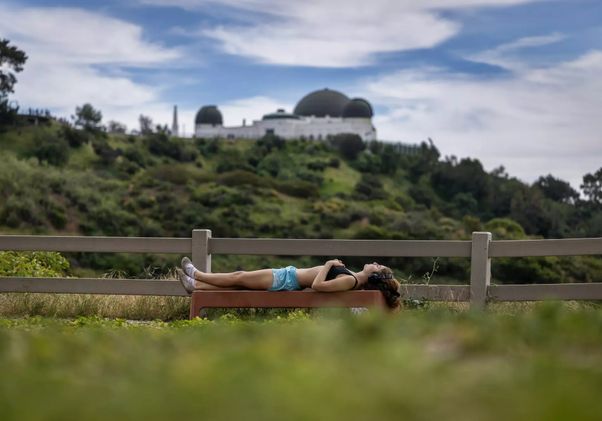
The Los Angeles Times explored why LA ranks near the bottom among major U.S. cities for park access and public green space, featuring research from UCLA urban planning researcher Claire Nelischer. Nelischer said Los Angeles lacks the dense network of small neighborhood parks found in cities like New York and London, and noted that parks play an essential role in health, social connection and daily life — especially for renters and immigrant communities. Read more about UCLA in today’s Washington Post, NPR and others.

How to recognize the two types of stroke — and more UCLA media

CBS News Los Angeles spoke with UCLA’s Dr. May Nour about how to recognize the signs of two main types of stroke, why rapid treatment is critical, and the rise in cases among patients under 50. Nour also highlighted the UCLA Health Mobile Stroke Unit, the first in the Western U.S., which delivers on-site care before patients reach the hospital — improving chances of recovery and long-term function. Read more about UCLA in today’s CBS News Los Angeles, ABC News and other outlets.

A lesser-known wildflower takes center stage at UCLA garden festival — and more media coverage of UCLA

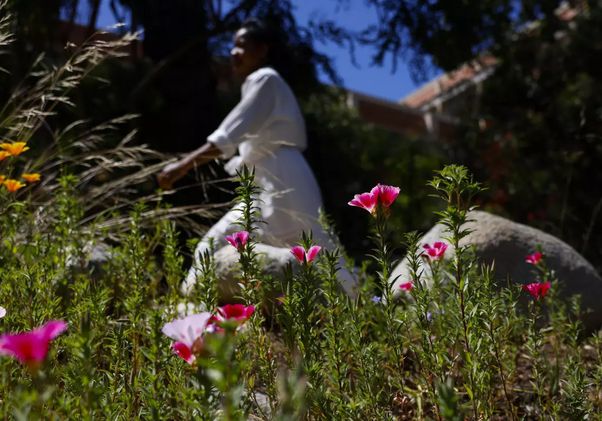
The Los Angeles Times highlighted UCLA’s Mathias Botanical Garden and its upcoming Clarkia Flower Festival, which celebrates native California wildflowers and community education. Victoria Sork, director of the garden and herbarium and a distinguished professor of ecology and evolutionary biology, said the event is an opportunity to showcase plant diversity beyond familiar blooms, while outreach manager Chantal Ochoa-Clark noted strong public interest in accessible, free programming. Read more about UCLA in today’s Associated Press, New York Times and others.

What is “red boxing”? Tactic draws scrutiny in California governor’s race — and more media coverage of UCLA

The Los Angeles Times examined the growing use of “red boxing,” a campaign tactic that signals messaging to outside political groups without direct coordination, in California’s gubernatorial race. UCLA law professor Rick Hasen said the practice has become “absolutely standard procedure,” allowing campaigns to technically comply with finance laws while still influencing super PAC strategy. He noted that current rules create “an illusion of regulation,” even as candidates increasingly rely on outside spending. Read more about UCLA in today’s NPR “Morning Edition,” MS Now and others.

UCLA’s Rick Hasen says Voting Rights Act setback is an ‘earthquake’ for American politics — and more media coverage of UCLA

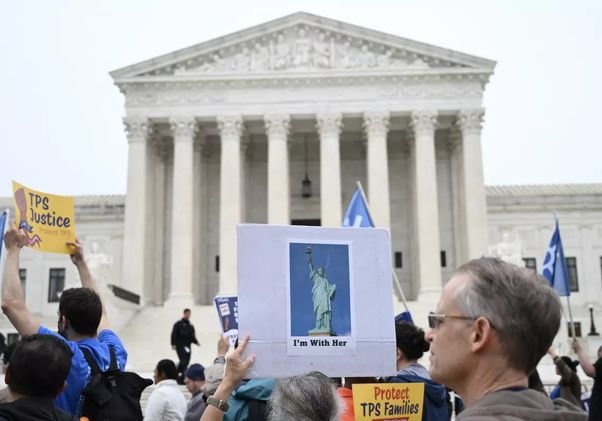
In an article in the Los Angeles Times, UCLA law professor Rick Hasen speaks about the Supreme Court’s Wednesday decision to limit the Voting Rights Act — a ruling that will give states back the power to redraw their election maps and eliminate voting districts that favor Black or Latino candidates for Congress, state legislatures and county boards. Hasen, who is also the founding director of the Safeguarding Democracy Project, was also featured by NPR’s “All Things Considered,” KABC-TV, KCRW 89.9-FM’s “Press Play,” Reuters, USA Today, Politico, Ohio Capital Journal and The Guardian. Read more about UCLA in today’s Vox and Imperial Valley Press.

It’s not an accident more LA college students are using LA Metro — and more media coverage of UCLA

Reporting by The LA Local focuses on the uptick of LA Metro use by college students who are choosing public transportation over personal vehicles or rideshare companies like Uber. While a big factor comes down to cost, UCLA’s Jacob Wasserman, research program manager at the UCLA Institute of Transportation Studies, says the culture shift is by design. “At UCLA, every undergrad and grad student gets a pass. It makes the transit agency money because [schools] buy it for everybody, and the people who do use it get a ton of value.” Wasserman also discusses LA Metro’s expansion and how the agency is prioritizing safety. Read more about UCLA in today’s ABC News, Scientific American and others.

The rise of the short-attention-span novel — and more media coverage of UCLA

The Los Angeles Times explored how shrinking attention spans and digital habits may be reshaping contemporary fiction, citing insights from UCLA English professor Mitchum Huehls. Huehls said today’s acclaimed novels are often shorter than the sweeping 500- to 600-page books that once dominated literary culture, with more emphasis on plot and character than lengthy scene-setting. He also noted that some writers are creatively embracing fragmented forms that reflect the pace and structure of modern life. Read more about UCLA in today’s CBS News, New York Times and others.

Can AI help fix healthcare access? Physician says safeguards must come first — and more media coverage of UCLA

The Los Angeles Times published a commentary by UCLA emergency medicine physician Dr. Hashem Zikry arguing that artificial intelligence could expand access to care for patients facing doctor shortages, high costs and long wait times. Zikry wrote that many Americans are already turning to AI tools for medical guidance and said the technology has the potential to help manage routine needs such as prescription refills and common conditions. He also called for clear federal standards and accountability measures to ensure clinical AI is safe and effective before wider adoption. Read and hear more about UCLA in today’s New York Times, Bloomberg and others.

Rising gas prices put more financial pressure on Latino households, study says — and more media coverage of UCLA

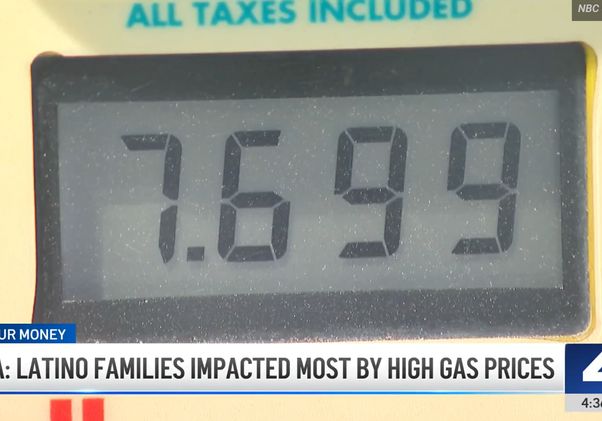
According to a study by the UCLA Latino Policy & Politics Institute, the spiking gas prices are disproportionately affecting the financial health of Latino households largely because they tend to have fewer financial resources and depend on cars for their livelihoods. "Even before the gas prices increased Latinos households were already spending more money on gas than non-Latinos and always experiencing higher costs of house burden," Rosario Majano with the UCLA Latino Policy & Politics Institute told KNBC-TV. Read and hear more about UCLA from NBC News, Phys.org and others.

California’s rail systems need more riders. High gas prices could be fueling a surge — and more media coverage of UCLA

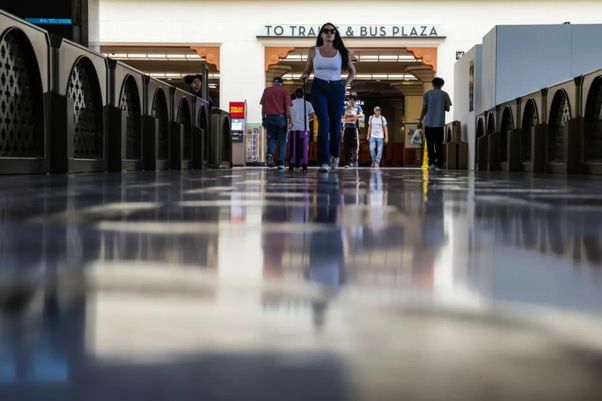
Michael Manville, professor of urban planning at the UCLA Luskin School of Public Affairs, told the Los Angeles Times that it is generally hard to get people out of their cars, even in times of high gas prices. “People are kind of locked into their cars,” Manville said. “Even when they do start to feel the pinch, they don’t necessarily change their travel behavior, they cut back on other things.” Read and hear more about UCLA in today’s Los Angeles Daily News, LAist and others. 

Tropical forest ecosystems bounce back much faster than we thought — and more media coverage of UCLA

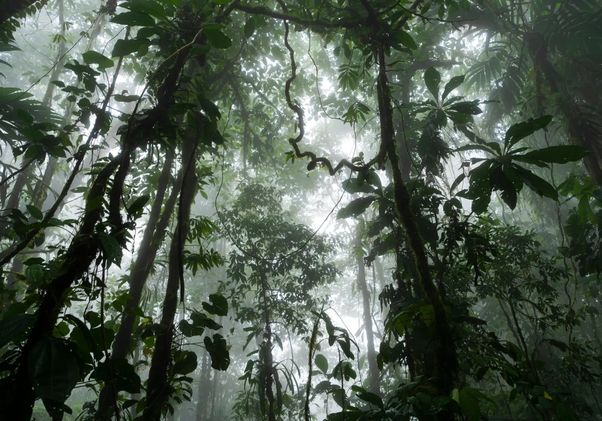
The New York Times featured an article about a new study that found animals returned to deforested land much more quickly than scientists had long thought. UCLA’s Timo Metz, the study’s first author, says the findings disproved the notion that forest regrowth would have to precede animal reintroduction in deforested areas that had been used as pastures or cacao plantations. Instead, many animals returned within three decades rather than after centuries. Read more about UCLA in today’s Associated Press and KCBS-TV.

An executive order to restart oil pipelines might not bypass state law after all — and more media coverage of UCLA

The Los Angeles Times featured energy law expert Allan Marks in a story about a California judge’s rebuff to a recent executive order that sought to bypass state laws in restarting oil pipelines off the state’s Central Coast. Marks, who is a lecturer at the UCLA School of Law, pointed to similar challenges of the Trump administration’s meddling in offshore projects, particularly East Coast wind farms, which the courts have largely rejected. Read more about UCLA in today’s CNN, Associated Press and others.

Experts say COVID-19 subvariant ‘Cicada’ is spreading as summer approaches — and more media coverage of UCLA

In a Los Angeles Times article, UCLA’s Dr. Neil Silverman and other experts discuss the nuances of a highly mutated COVID-19 strain circulating in California that could point to its emergence as more of a summer disease. “COVID doesn’t seem to play by the same rules that influenza tends to play by, where its cycle is predictable,” says Silverman, who is the director of the Infections in Pregnancy Program at the David Geffen School of Medicine at UCLA. “COVID is still here. People can’t necessarily take comfort from the fact that we did not have a surge over this past winter.” Read more about UCLA in today’s Associated Press and the Independent.
Load More Items Loading...